
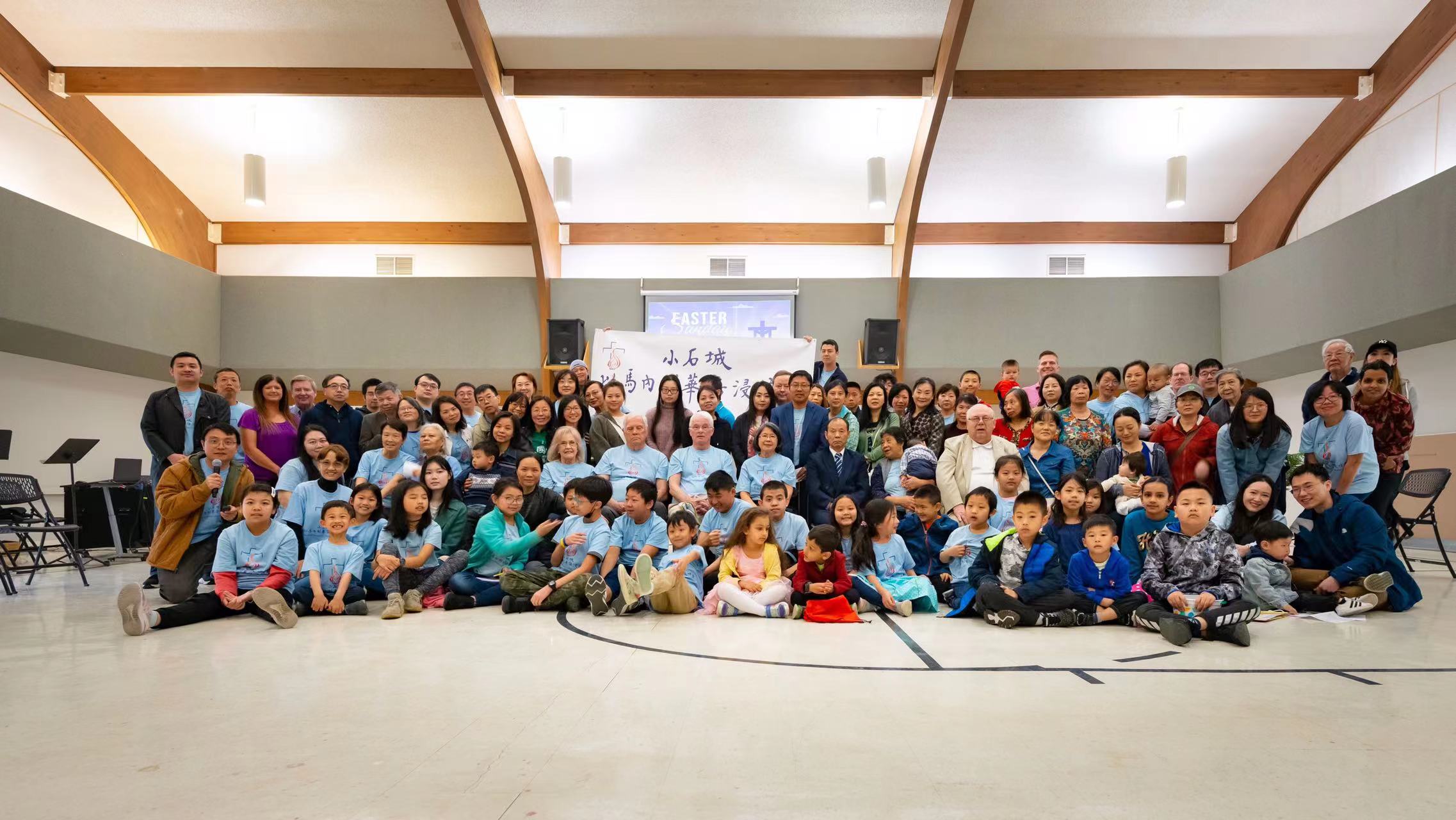

“城造在山上,是不能隐藏的”(马太福音5:14下)。我们祈祷,求主使用小石城以马内利华语浸信会,使“这座造在山上的城”能“如日头出现、光辉烈烈”(士师记5:31),在新时代中为主发大光,照亮周围的人,使荣耀归于上帝。
我们诚挚地邀请您来参加我们教会的各项活动!让我们一同认识主,在祂的愛里彼此搀扶,共走天路。以马内利!
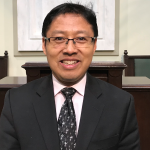 李春海牧师
李春海牧师
最新信息
12/14/25 牧者之言
波阿斯还是小丑?
 按着大卫王的家谱,耶稣是波阿斯和路得的直系后裔 路得和波阿斯的婚礼 Jesus is a direct descendant of Boaz and Ruth through the lineage of King David Ruth and Boaz Wedding |
 约瑟、马利亚和耶稣 Joseph, Mary and Jesus |
到明年五月,我和大卫将迎来结婚29周年。他一直在写给我的卡片上签名“愛你的,波阿斯(Boaz)”,而我也一直在写给他的卡片上签名“愛你的,路得(Ruth)”。在圣经中,《路得记》是一个关于委身的最美愛情故事。我和大卫的故事,也与他们颇为相似。
路得曾是寡妇,而我曾被遗弃;我们都曾经不再被愛、不再被珍惜。但对我们两位来说,这并不是悲伤的故事,而是一个拥有幸福结局的故事。
所以,请坚持下去……
当波阿斯与路得相遇时,他立刻被她的美丽与善良吸引。但依照当时的习俗,波阿斯并非第一位有资格娶路得的人;另有一位更近亲的男子比他更有优先权。波阿斯便去询问那位男子是否愿意娶路得为妻;若娶,照顾她的婆婆则是不得不选择的“配套条件”。那人一听要承担照顾婆婆的责任,便说:“那我就不要了。”尽管路得美丽、善良、敬虔,那人仍不愿承担责任。
当大卫开始喜欢我时,就像路得一样——我也带着家庭责任一起“嫁过来”。但他无条件地愛我。我们结婚后,他承担起照顾他八岁的女儿、还有我四岁的外孙女的责任。
多年以后,我年迈的母亲开始到我们家与我们同住,一年住六个月(另外六个月在我妹妹帕姆和她的“波阿斯”丈夫罗伯家),我们前后照顾她八年之久。后来,我亲生的外孙出生,我们从他七个月大时就将他带来抚养至今。他现在已经20岁了。大卫愛他视如己出,是一见钟情般的愛。当他12岁时,我们正式收养了他。
你有女儿吗?你有儿子吗?你若有女儿,为她的未来丈夫祷告,使他成为一个“波阿斯”是智慧的;你若有儿子,你应当培养他成为一个“波阿斯”。你会问,什么是“波阿斯”?对我而言,“波阿斯”的定义就是今日语言中的“可靠、有担当的真男人”。
波阿斯是路得的“至亲救赎者”,意味着他愿替代那不愿接纳路得的人,承担路得和她所带来的一切。波阿斯愛路得,因此他渴望娶她,无论代价如何。而大卫就是我的“至亲救赎者”。当我被遗弃时,他接纳了我;他也接纳了我的母亲、我的外孙女、他的女儿以及我的外孙——后来成为我们的孩子——他接纳这一切时毫不犹豫。
故事的幸福结局是:路得和我都得到了我们的“波阿斯”Boaz,而不是“Bozo(小丑)”。这得以发生,只因为我们选择“等候上帝”来完成我们的故事。
当你收到这张卡片,请知道,我们为你祷告。
女士们,我愿你生命中也拥有一个波阿斯;若尚未拥有,愿将来遇见。
男士们,我盼望你们都能成为波阿斯般的人,就像大卫——我的“真男人”。
圣诞快乐!从我们家到你家
David、Sandi 和 Rett 敬上
注:Sandi是我们在奥克拉荷马的老朋友。我们每年收到的第一份圣诞卡和圣诞信一定是她寄来的。她今年写的圣诞信“波阿斯还是小丑?”沁人心肺,字里行间洋溢着基督愛里的温暖与祝福,以及“真男人”的委身与担当。当我们庆祝基督降生时,愿这份主里的愛也融化你的心。
(李春海)
David & I have been married for 29 years this coming May. He has always signed his cards to me, “Love, Boaz” & I have always signed mine to him, “Love, Ruth.” In the Bible, the book of Ruth is the most beautiful love story of commitment ever told. Mine and David’s story is similar to theirs.
Ruth was a widow, I was discarded; so, we both were no longer loved or cared for. This is not a sad story for either of us. It is a story with a happy ending.
So, hang in there…..
When Boaz crossed paths with Ruth, he immediately was drawn to her beauty and kindness. But, back in those days, he was 2nd in line as a suiter. There was another man who had the right to marry her. Boaz went to the man and asked if he was interested in Ruth as a wife. If he had been, he would have had to take care of her mother-in-law as part of the “package deal.” He said, “In that case, no.” Even though Ruth was a beautiful, kind, Christian woman, he did not want to have the responsibility of caring for her mother-in-law.
When David became interested in me, I, like Ruth came with some family commitments. He loved me no matter what. We got married & he took responsibility for his daughter, who was 8 years old, & my granddaughter, who was 4 years old.
As the years when by, my elderly mother came to live with us 6 months out of the year (my sister, Pam & her “Boaz” husband, Rob, had Mom for the other 6 months) for 8 years we cared for her in our homes. When my biological grandson was born, we took him to raise from the age of 7 months old until this day. He is 20 now. David loves him as though he was his own child, it was an instant love at first sight. We adopted him when he turned 12.
Do you have daughters? Do you have sons? If you do have a daughter, it would be wise for you to be praying for her future husband to be a “Boaz.” If you have a son, you should be raising him to be a “Boaz.” What is a Boaz? You asked. To me the definition of a “Boaz” is “a stand-up guy,” in today’s language.
Boaz was a “Kinsman Redeemer” for Ruth. That meant he took the place of the man that did not want her & anyone else that came with her. Boaz loved Ruth, so it was his heart’s desire to marry her, no matter what. David was my “Kinsman Redeemer” who took me to love, when I was discarded. He also took, my mother, my granddaughter, his daughter, and my grandson…..who became our child….with not even a hint of hesitation.
The happy ending to this story is, Ruth & I got “Boaz,” when it was possible we could have ended up with “Bozo.” That only happened, because we chose to “wait on God” to finish our stories.
When you receive this card, know that we prayed for you.
Ladies, I hope you have a Boaz in your life, and if not, that someday you will.
Men, I hope you represent Boaz in every way, just like David, my “stand up guy.”
Merry Christmas from our house to yours,
David, Sandi and Rett
11/30/2025 牧者之言
被呼召成为得胜者
魏师母
2025年10月28日 晨更祷告会分享
经文:约翰一书 5:4-5;罗马书 8:35-37;约翰福音 16:33;启示录 21:7;哥林多后书 1:3-4
一位牧师曾写道:“我们都希望每天都是好日子!但如果每天都是好日子,其实就没有所谓‘好日子’,因为没有坏日子来衬托……疾病让我们更懂得珍惜健康;失败让我们更懂得珍惜成功;缺乏让我们更懂得珍惜富足;艰难让我们更懂得珍惜顺境…… 逆境(ADVERSITY)往往是一个机会,让我们里面的美善被带出来,当然它也可能带出我们的软弱,但在神的帮助下,让我们不要(DON’T)让那种情况发生!逆境可以(CAN)成为化妆的祝福。
神没有应许我们过一个没有问题的生活,但祂应许我们:在困难的日子里,我们可以在耶稣里得着平安!我们常幻想没有问题、没有冲突、没有挑战的生活是什么样,但那反而可能危害我们的健康,尤其是属灵健康!在身体健康方面,如果我们不活动、不锻炼,很快就会失去肌肉量和骨密度。我们都知道这一点……因为当人长期生病,就会看到这样的结果。在美国,许多年长者因为疼痛而常常久坐不动,但如果坐得太久、动得太少,反而会更痛,最后甚至无法行动!也许我们真的需要一些逆境,尽管我们不喜欢它。我听过一句话说:“神最常使用的人,往往是那些经历了最多逆境的人。”
这不是我们想听的,但却是真理。有位在美国的姊妹浮现在我脑海中。她叫 Joni。青少年时,她跳入湖中,不慎折断颈椎,从颈部以下终生瘫痪。她现在七十多岁了。这是一场悲剧,她也曾愤怒、沮丧,但她选择信靠主,主加力量给她。虽一生受苦,但她却拥有极有能力的见证,鼓励了成千上万的人。她能说话,所以她在网上教导,也参加聚会分享。她用嘴巴含着画笔创作精美画作,也写书、写诗。
若查“得胜(OVERCOME)”的意思,会发现它有制服、胜过、胜利之意。在世上我们必有许多试炼,但没有什么是我们的神不能胜过的!得胜者(Overcomers)是那些属基督的人,他们胜过世界体系的权势和试探。得胜者不是无罪的人!但他们持守对基督的信心直到最后。当环境艰难时,他们不转身退后。得胜需要我们完全依靠神来引导、指示、成全,并赐力量让我们遵行祂的计划。逆境能让我们有更深的能力来服事神。为什么?因为逆境使我们像 Joni 一样转向神、倚靠神、寻求神,并以我们原本不会经历的方式更深地认识神。
圣经中许多最伟大的应许都以这几个字开始:“那得胜的(to him who overcomes)。” 今天读的经文说:“因为凡从神生的,就胜过(overcomes)世界;使我们胜了世界的,就是我们的信心。”(约一 5:4-5)谁能胜过世界呢?只有信耶稣是神儿子的!所以我们被呼召(CALLED)成为得胜者(OVERCOMERS)!
罗马书 8:35-37 提醒我们:患难、困苦都不能使我们与神的爱隔绝。37 节说:“……靠着爱我们的主,在这一切的事上已经得胜有余(more than conquerors)了。” 神那主权且不变的爱,能保守我们这些信祂的人!你生命中哪里需要这些真理所带来的医治之力?你在哪里需要神的拯救?请记住:你必定得胜(shall OVERCOME),因为你的天父自己就是那得胜者(the OVERCOMER)!赞美主!因祂的牺牲,我们看见并经历了祂深切的爱。
信心是胜过世界的力量!祂赐我们属天的力量,使我们成为得胜者!耶稣要我们得平安,因为祂深知:直到祂再来之前……这个世界是战场,不是游乐场!耶稣在约翰福音 16:33 告诉我们:这世界是破碎的,我们会有患难。我们必须穿戴神的全副军装,站立得稳!耶稣说:“但你们可以放心(被鼓励),我已经胜了(I have overcome)世界!” 即使我们尽力忠心,依旧会有挣扎。我们如何回应?继续忠心!感谢神,祂藉着我们的主耶稣基督赐给我们得胜。
我们是“教会”,是神的家,是信徒的身体。我们承认耶稣是应许中的弥赛亚、是救主!教会藉着遵行神的命令来见证我们的信仰。这样的顺服胜过(OVERCOMES)世界不信者所带来的生活方式试探。我们只有靠信靠基督,而不是倚靠自己,才能顺服。顺服的动机是爱神,并将这爱延伸给每一个人!我们彼此扶持、彼此祷告。顺服、信心与爱,使教会成为真正的群体!启示录 21:7 说:“得胜的(He who overcomes)必承受这些为业;我要作他的神,他要作我的儿子。” 所以,基督的教会是一群恒久、得胜的(OVERCOMING)子民。有一天,一切的问题、逼迫都会过去。神所保守的子民必得着他们的产业!弟兄姊妹,请得到激励……我们里面有圣灵,祂使我们能够胜过(OVERCOME)一切仇敌的攻击!
你知道吗?神愿意“回收”(recycle)你的逆境,把它变成一个事工。人会经历非常痛苦的事,但神可以帮助我们从深坑中出来,好叫我们去帮助别人。我们的问题不会使我们失去被神使用的资格。我们不渴望悲剧或逆境,但从中却能生出益处。试炼反而帮助我们重新找到生命的目的。神带我们走过的那些苦难,成为我们站立并服事他人的平台。
“愿颂赞归与我们的主耶稣基督的父神,就是那慈悲的父、赐各样安慰的神!祂在我们一切患难中安慰我们,叫我们能用神所赐的安慰去安慰遭遇各样患难的人。”(林后 1:3-4)这是我的分享,我们一起祷告!
CALLED TO OVERCOME
Elinda West
Sharing at Early Morning Prayer on 10/28/2025
1 John 5:4-5; Romans 8: 35-37; John 16:33; Revelation 21:7: 2 Corinthians 1:3-4
A pastor wrote: “All of us want every day to be a good day! But if every day was a good day, there would be NO ‘Good Days”, because there wouldn’t be any bad days to compare the good days to…… Sickness helps us appreciate health. Failure helps us appreciate success. Debt helps us appreciate wealth. And the tough times help us appreciate the good times….
ADVERSITY is often an opportunity to bring the good out of us and of course it can bring bad out of us too, but with God’s help let’s DON’T let that happen! Adversity CAN be a blessing in disguise.
We are not promised a trouble-free life, but we are promised we can have peace in Jesus when life is troublesome! We imagine what life would be like without any problems or issues or challenges, but that might be hazardous to our health, especially our spiritual health! In our physical health if we don’t move around or take exercise soon, we lose our muscle mass and bone density. We know that…. because when there is long term sickness, we see it happen. Even older people in America who just want to sit down because they have pain, if they sit too much and too long and don’t move, they really will have more pain and become immobile! Maybe we really do need some adversity in our lives even though we don’t like it. I heard a statement that said, “The people God uses the most are often the people who have experienced the most adversity.”
This isn’t what we want to hear but it’s true. There is a sister that comes to my mind in America. Her name is Joni. When she was a teenager, she dove into a lake and broke her neck and was paralyzed from neck down all her life. She is in her 70’s now. It was a tragedy, and she was angry and depressed for a while, but she trusted the Lord and He strengthened her, so even though she has suffered all her life, she has a powerful testimony of God’s help and leading her to encourage thousands of people with her testimony. She can speak so she teaches on the internet, and she goes to speak to groups of people. She paints beautiful art with her mouth and teeth holding a brush. She writes books and poetry.
If you look up the meaning of OVERCOME you see it means subdue, prevail, and conquer. We will have many trials on this earth but there is nothing that our God cannot conquer! Overcomers are followers of Christ who successfully resist the power and temptation of the world’s system. An overcomer is NOT sinless! But they hold on to faith in Christ until the end. He does not turn away when times get difficult. Overcoming requires complete dependence upon God for direction, purpose, fulfillment and strength to follow God’s plan for our lives. Adversity can produce an increased capacity to serve God. Why? Because adversity causes us like Joni to turn to God, lean on God, seek God and get to know God in a way we otherwise would not.
Some of God’s greatest promises in Scripture begin with the words “to him who overcomes”. In our scripture we read this morning it says,” for everyone born of God overcomes the world. This is the victory that has overcome the world, even our faith”. 1John vs 4-5. Who is it that overcomes the world? ONLY he who believes that Jesus is the Son of God.” …. So, we are CALLED to be OVERCOMERS! We see in Romans 8: 35-37 The troubles and hardships do not separate us from God’s Love. vs 37 says “… in all these things we are more than conquerors through HIM who loves us.” The sovereign power of God’s love can protect and preserve us who are believers! Where in your life do you need the healing power of these precious truths? Where do you need rescue? Please remember this…. You shall OVERCOME because your Heavenly Father Himself IS the OVERCOMER!! Praise God! We’ve seen and believed in the depth of His love because of His sacrifice.
Faith is the victory that overcomes the world! He gives us divine strength and power to be overcomers! And Jesus wants us to have peace because He knows that for a time …until He returns… The world is a battleground, not a playground! Jesus tells us in John 16:33…. this world is broken, and we will have troubles (adversity) We must put on God’s armor and stand firm! Jesus says, “BUT take heart (be encouraged) I have overcome the world!” Even when we try our best to be faithful, we will still have struggles. How do we respond? We remain faithful and thanks be to God; He gives us the victory through our Lord Jesus Christ. We are “the church,” the family of God, the body of believers. We believe in Jesus Christ as the promised Messiah and our Savior! The church gives evidence of this belief by obeying God’s commands. Such obedience OVERCOMES the temptations thrown at us by the NON-BELIEVING world to live by its standards. We can obey ONLY as we place our faith in Christ and not ourselves. The motivation for obedience is LOVE OF GOD and we extend that love to everyone! We support one another with love and prayers. Obedience, faith, and love unite the church into a true community! In Revelations 21: 7 we read, “He who overcomes will inherit all this and I will be His God, and he will be my son.” So, the Christian church is an enduring, OVERCOMING people. One day problems and persecution will be behind. God’s enduring people will receive their inheritance! Brothers and Sisters be encouraged…we have the Holy Spirit of God IN US to OVERCOME any attacks of the enemy!
Did you know God wants to recycle your adversity and turn it into a ministry. People go through and endure very painful things, but God can help us to climb out of the pit so we can help others. Our problems don’t disqualify us from being used by God. We don’t want tragedy or adversity in our lives, but good things can come from it. Trials have a way of helping us rediscover our purpose in life. The problems God has brought you through become a platform where you stand and minister to others. “Praise be to God and Father of our Lord Jesus Christ, the Father of compassion and the God of ALL comfort, who comforts us in our troubles so that we can comfort those in any trouble with the comfort we ourselves receive from God.” This is my sharing, let us pray!
11/23/25 收者之言
缅怀林彬牧师
大卫说:“论到世上的圣民,他们又美又善,是我最喜悦的”。(诗16:3)
“在耶和华眼中,看圣民之死极为宝贵。”(诗篇 116:15)
2025年10月1日林彬师母短信上说:“下午3:34主接回家” 。收到这条短信时,我的心中是平静的。尽管与林牧师短暂分离的忧伤阵阵袭来,与他相处的点滴也不断在脑海中浮现,但内心却充满属天的确据:主的忠仆安息主怀了!
9月29日为林牧师祷告时,我在日记里记下两个词:“Mission Completed.”(“使命完成”)
林彬牧师(1941年12月7日-2025年10月1日)是一位属灵的英雄。他在世上的时候,神借着他开拓了四百多间教会。他走南闯北,事奉的脚步从未停歇。当听闻他被主接回家的消息时,有位弟兄说得很好:“作为一位牧师和主的门徒,还有什么比在愛别人的路上去世更好的归宿呢?基督徒是最不应惧怕死亡的一批人,也是最愿意付出愛却不求回报的一批人。”
常有人说:“我宁可死在战场上,不愿死在病床上。”林牧师正是这样的一位属灵前辈,他的人生在属灵战场上凯旋而归。我们深信,当主在天门口迎接他时,就像迎接一位从战场上披荆斩棘、叱咤风云、得胜归来的大将军一样,为他戴上精金的冠冕,并称赞他说:“好,你这又良善又忠心的仆人!”这正是林牧师一生服侍所追求的目标。
感恩神奇妙的预备与安排,使林牧师与师母于 2025 年 9 月 21 日来到小石城以马内利华语浸信会崇拜——那是他人生最后一次崇拜。他将最后的祝福留给了我们,在主日学里分享他最宝贵的教导;我们(林牧师、林师母、张琨、李春海、天意、天成)在 Asian Buffet 一起吃了他人生中的最后一顿午餐,享受在基督里愛的团契。临别时,他温暖地向我们道别,说:“我希望以后还来看你们!”
林牧师是我的属灵父亲。我一直以为林牧师最愛我——后来才明白,凡他所教导过的每一位门徒都觉得林牧师最愛他/她。这或许正是林牧师生命的魅力,也正像我们与上帝的关系一样—我们都觉得上帝最愛的是“我”。也许,一位好的牧者就应该让每一个人都觉得自己是独特而宝贵的
记得 2008 年 8 月 10 日,我来美国的第二天就去三一华语浸信会敬拜,正好遇见林牧师。我去沈阳领事馆面签那天,主给我的经文是出埃及记 23:20:“看哪,我差遣使者在你前面,在路上保护你,领你到我所预备的地方去。”林牧师就是我生命路上的使者之一,引导我前行。
当他第一次见到我时笑容满面地对我说:“太好了,主带你一路来到美国一定有祂的安排。你可以在我们教会边学习、边实习。”那天的信息是“浪子回头”。虽然我不是浪子,却在信息中泪流满面,走到台前再次将自己献给主。
从那天起,林牧师带领了我“师徒关系”的培训旅程——如何在美国服侍、如何植堂、如何牧会、如何建立婚姻、甚至迁移到小石城服侍——一路上都有林牧师的陪伴。我略举以下几个例子
一、林牧师常常请我吃饭
有句西方谚语:“要想得着人的心,先要得着他的胃。”( “the way to a man’s heart is through his stomach”)。林牧师确实深深“抓住了我的胃”。刚毕业开始植堂时,他常带我吃午餐:西餐汉堡、三明治、越南的Lee’s Sandwich、越南米粉Pho、中餐……对于我这个单身“大胃王”(Big Stomach,与 King David 的谐音构成中国式笑话)来说非常重要——人先要吃饱,才能有力量服侍。
他和师母也常邀请留学生与访问学者到家里做客、庆祝感恩节。他说:“我以前喜欢请客吃饭,大家互相请来请去没什么意思。但若请那些不能偿还我的人吃饭就有福了(路 14:12–14),所以我愿意更多服侍这些学生学者。”
二、蒙召的人要以服侍主为念
刚到美国时,我经济拮据,连学费都付不起,很想去餐馆打工。林牧师严肃地说:“春海,你和别人不一样。你是蒙召为主所用的人。千万别去餐馆打工,那对传道人不是好见证。你专心依靠主,主会为你预备一切。” 我听从了林牧师的话,专心服侍,从未缺乏。
三、两个人总比一个人好
林牧师像中国老父亲一样“催婚”( 这也是愛的表达)。他说:“你在美国牧会,一定要成家立业,有帮助协助你。主赐予人间的爱情,要学习了生儿养女之道,才能更好地牧养弟兄姐妹。” 在林牧师和 Kirk 牧师的帮助下,我与莎莎师母的愛情修成正果,正式迈进婚姻的殿堂。如今蒙主眷顾,我们已育有三个儿女。林牧师一生为五十一对夫妇证婚(十对中美婚姻,四十一对华人婚姻),成为多人婚姻的祝福。
四、灰心时的鼓励
在奥克拉荷马植堂十年,我也有灰心想放弃的时候。林牧师总说:“植堂没有失败。这是神的工作,我们只要尽全力配合祂。”我初期常找不到定位,也常会找不准愛心的界限。林牧师提醒:“不能和信徒只是哥们(buddy, buddy)相待。你要做牧师,与羊保持适当界限,才能带领他们走主的道路。”
五、禾场的调整
2008 年在奥克拉荷马服侍的最后一年,林牧师在给同工培训时多次强调:“在美国服侍的华人牧者,不一定一辈子待在同一个地方。主可能带你到不同地区服侍,为兴起更多工人。” 回头看,这正是主借他预备弟兄姐妹的策略。2005 年 5 月,他亲自组织欢送会差派我们全家到小石城服侍。小石城教会从母会独立时,他又来讲道,鼓励我们承担大使命。
六、翻译训练
感谢明日之光制作的纪念林牧师的视频。视频里,第一张照片就是他讲道,我在旁边翻译。当年的我怯懦、不自信。我紧紧盯着林牧师。他讲一句,我紧张地翻一句。那场景就像老兵训练新兵。感谢主借着他一步一步带我成长。原来我根本不知道自己有翻译的恩赐,在他的训练下才被逐渐发掘出来。
七、严厉的愛
“当面的责备胜于背地的愛情”(箴 27:5)。
学习植堂之初,第一次崇拜的 PowerPoint 做错,耽误十分钟,他当面指出:“传道人要提前做好功课,免得浪费大家时间。”第一次组织户外活动,因为学生不准时、地点不合适,他严肃地批评我说:在美国必须教导学生们守时,户外活动必须提前规划好。良药苦口,这些严厉的教导终生受益。
当然,他也有信息掌握不全的时候。记得我从 OUC 毕业后,他带我去加拿大参加 CBF。到了温哥华,我没有加拿大签证被遣返——这是我的低级错误。但当时林牧师也以为持美国留学签证就可以畅通无阻。
由于篇幅有限,许多点滴无法尽述。以下我用十个成语概括林彬牧师一生的服侍:
- 忠心愛主
- 持守真理
- 真诚善良
- 刚正不阿
- 热心植堂
- 惜才若渴
- 睿智应变
- 锲而不舍
- 孜孜不倦
- 凯旋归家
回首过去,其实林牧师从未走远。他在基督里对我们的愛已经深深融入我们的血液中、我们的骨髓里!愿这份愛继续从我们每个人的心田流入另一个心田里。
《林前》13:13 如今长存的有信、有望、有愛,其中最大的是愛。
愿这份愛继续一代接一代传下去。
In Memory of Pastor Ted Lam
David once said, “As for the saints in the land, they are the excellent ones, in whom is all my delight.” (Psalm 16:3)
“Precious in the sight of the LORD is the death of his saints.” (Psalm 116:15, ESV)
On October 1, 2025, Pastor Lam’s wife, Jane Lam sent a message: “At 3:34 p.m., the Lord took him home.” When I received the message, my heart was calm. Though waves of sorrow came as I recalled our moments with Pastor Lam, yet inwardly I was filled with a heavenly assurance: the Lord’s faithful servant has entered his rest!
On September 29, as I prayed for Pastor Lam, I wrote two words in my journal: “Mission Completed.”
Pastor Ted Lam (December 7, 1941– October 1, 2025) was a spiritual hero. During his earthly ministry, God used him to plant more than 400 churches. He traveled far and wide, never once slowing his footsteps in serving the Lord. After hearing the news of his homegoing, one brother said it so well:
“As a pastor and a disciple of the Lord, what better ending is there than to finish one’s life on the path of loving others? Christians are the people who fear death the least and who give love the most without expecting anything in return.”
People often say, “I’d rather die on the battlefield than on the sickbed.” Pastor Lam was exactly such a spiritual warrior—he finished his life triumphant on the battlefield of faith. We firmly believe that when the Lord welcomed him at the gates of heaven, it was like welcoming a general returning victorious from the front Lames—crowned with gold, honored by the King, and hearing the commendation:
“Well done, good and faithful servant!”
This was the goal Pastor Lam pursued all his life.
We thank God for His wonderful timing and arrangement that brought Pastor Lam and his wife to Little Rock Immanuel Chinese Baptist Church on September 21, 2025—his final worship on earth. He left us with his final blessings, shared his most precious teachings in Sunday School, and afterward the six of us (Pastor Lam, Mrs. Lam, Zhang Kun, Chunhai Li, Tianyi, and Tiancheng) enjoyed his last earthly lunch together at Asian Buffet, tasting the fellowship of Christ’s love. When we parted, he said warmly, “I hope I can come visit you again!”
Pastor Lam was my spiritual father. For a long time, I thought I was the one he loved most—until I realized that every disciple he mentored thought the same. That was the beauty of his life, just as in our relationship with God—each of us feels that God loves “me” the most. Perhaps a good pastor is precisely one who makes every person feel uniquely cherished.
I still remember August 10, 2008—the second day after I arrived in America—when I visited Trinity Chinese Baptist Church and met Pastor Lam for the first time. On the day I went to the U.S. Consulate in Shenyang for my visa interview, the Lord gave me Exodus 23:20:
“See, I am sending an angel ahead of you to guard you along the way and to bring you to the place I have prepared.” Pastor Lam was one of the angels God sent along my life’s journey to guide me.
When he first saw me, he smiled warmly and said, “Wonderful! The Lord brought you all the way to America for a purpose. You can study and intern at our church.” The sermon that day was on the prodigal son. Though I was not a prodigal, I wept through the message and walked forward to rededicate myself to the Lord.
From that day on, Pastor Lam began a mentoring journey with me—teaching me how to serve in America, how to plant churches, how to pastor, how to build a marriage, and eventually guiding my move to Little Rock. I offer a few examples below:
1. Pastor Lam often took me out for meals
There is a Western saying: “The way to a man’s heart is through his stomach.”
Pastor Lam truly “won my stomach.” When I first graduated and began church planting, he frequently took me out for lunch—burgers, sandwiches, Lee’s Sandwiches, Vietnamese pho, Chinese food…
For me, a single young “big stomach”—a nickname that sounds like “Big David” in Chinese—this meant a great deal. A person must first be fed before he can have the strength to serve.
He and Mrs. Lam often invited international students and visiting scholars to their home, especially during Thanksgiving. He once said, “I used to host dinners with friends, but inviting one another back and forth didn’t mean much. But it is blessed to invite those who cannot repay you (Luke 14:12–14). So I want to serve students and scholars more.”
2. Those who are called must set their hearts on serving the Lord
When I first came to America, I was financially struggling and couldn’t even pay my tuition. I wanted to work at a restaurant. Pastor Lam said firmly, “Chunhai, you are different. You are called by God. Do not go to work at a restaurant, that is not a good testimony for a minister. Focus fully on serving the Lord; He will provide everything you need.” I followed what he said, and I never lacked anything.
3. Two are better than one
Pastor Lam urged me to marry—like a typical Chinese-style dad full of love ( this too was his expression of care). He said, “If you serve in America, you must build a family. You need to have a helper. It is great that the Lord grants you a loving partner. Learn how to raise children, and you will better shepherd the flock.” With the help of Pastor Lam and Pastor Kirk, Shasha and I entered the covenant of marriage. Today, by God’s grace, we have three children. Pastor Lam officiated 51 weddings in his lifetime—10 Chinese American and 41 Chinese marriages—becoming a blessing to many families.
4. Encouragement during discouraging seasons
During my ten years of church serving and planting in Oklahoma, I sometimes felt discouraged. Pastor Lam always said, “There is no failure in church planting. This is God’s work. We are only responsible to do our best to cooperate with Him.”
In the early years, I often struggled to find my footing or the boundaries of love. Pastor Lam reminded me, “You cannot simply be ‘buddy-buddy’ with the flock. You are the pastor. You must keep healthy boundaries in order to lead them in the Lord.”
5. Adjustments in ministry fields
During his final year in Oklahoma in 2008, Pastor Lam repeatedly taught the coworkers, “Chinese pastors serving in America may not stay in one place forever. The Lord may lead you to different fields to raise up more workers.” Looking back, this was exactly God’s strategy spoken through him.
On May 2005, he led to organize the sending service and commissioned our family to Little Rock. When the Little Rock church became independent, he returned to preach and encourage us to take up the Great Commission.
6. Translation training
I am grateful for the memorial video produced by Pioneers. The first photo shows Pastor Lam preaching while I translated beside him. Back then, I was timid and unsure of myself. I clung to him—he spoke one sentence, and I translated one sentence nervously. It was like a veteran training a rookie soldier. I never knew I had a gift for translation until he helped to discover and cultivate it.
7. Loving discipline
“Better is open rebuke than hidden love.” (Proverbs 27:5)
In my early church-planting days, we made the PowerPoint incorrectly and delayed worship by ten minutes. He rebuked me: “A minister must prepare thoroughly so as not to waste people’s time.”
When I organized an outdoor event and it was chaotic due to students’ lateness and poor planning, he sternly corrected me: “You must teach students in America to be punctual. Outdoor events must be planned in advance.” These corrective words were bitter but life-giving.
Of course, he also had moments of imperfect information. After I graduated from OUC, he took me to Canada for CBF. When we arrived in Vancouver, I was denied entry because I had no Canadian visa—that was my rookie mistake. But at the time, Pastor Lam also assumed that an American student visa would allow smooth entry.
Because of space, many memories cannot be recorded here. Instead, I summarize Pastor Lam’s life of ministry in ten Chinese idioms:
- Faithful to the Lord
- Firm in truth
- Sincere and kind
- Upright and fearless
- Passionate in church planting
- Eager to train workers
- Wise and adaptable
- Persevering
- Diligent and tireless
- Triumphant homecoming
Looking back, Pastor Lam has never truly left us. His love in Christ has flowed into our blood and into our bones. May this love continue to flow from each of our hearts into the next heart.
1 Corinthians 13:13: “And now these three remain: faith, hope and love. But the greatest of these is love.”
May this love continue from generation to generation.
11/16/25 牧者之言
初谈宋尚节
(接上文)
 |
| 厦门鼓浪屿三一堂 Trinity Church in Gulangyu |
 |
| 美国归正教厦门差会传教士一览表 List of The Reformed Church Xiamen Missionaries |
- 我的厦门之旅
2025年6月8日,带着一颗谦卑寻索的心,我与乔治牧师踏上了追寻早期传教士与宋尚节属灵足迹的旅程。结束草湖教堂的参观与学习后,我们于下午三点半自莆田启程,驱车前往那座古老与现代交织的城市——厦门。
- 潘维廉
傍晚五点多,我们如约见到了厦门大学的潘维廉教授(Dr. William N. Brown)[1]。此时的厦门车水马龙、人潮如织,连停车位都成了奢侈的期待。潘教授是一位美国的“中国通”,笑容温和,语气亲切,谈吐间充满幽默与智慧。虽是初次谋面,却有一种久别重逢的亲切感。我笑着问他:“厦门这么拥挤,你怎么会喜欢这里?”我之所以这样问,是因为与我居住的美国小石城相比,这里显得热闹喧嚣得多,几乎让人透不过气。
他幽默地回答:“我从来没有喜欢过这里,但上帝却让我在这里生活了三十七年。”
这句风趣却饱含深意的话,让我们都会心一笑。
潘教授确实深爱这片土地。他是1992年福建省第一位获得外国人永久居留证的人,多年来积极投入地方文化、教育与社会发展的研究与交流。他被誉为“中国通”,并于2019年获评央视“感动中国年度人物”之一。2024年央视元旦晚会上,我们甚至还在YouTube上看到他熟悉的身影。
晚餐时,潘教授带我们到一家素食餐馆。那一晚,整个餐馆只有我们三人。短短两个小时,我们畅谈信仰与人生——从他与妻子在中国的生活点滴,到我在美国牧会、研究福建传教史及宋尚节的经验。他提到自己曾经历两次癌症手术,如今仍蒙主保守,使他依然可以在中国工作和生活。他给我的印象是:他这个美国人,比我这个中国人更了解中国;而我这个在美国生活多年的中国人,却未必真正了解美国。
他语重心长地说:“我们不能只透过西方媒体了解中国,就像不能只透过中国媒体了解美国一样。若想真正认识一个地方,就必须亲自走进去,否则我们没有资格评论。”的确,眼见为实、耳听则虚。
谈到信仰生活,他分享自己在中国参加登记教会的聚会。对于家庭教会与三自教会之间的关系,他则以更广阔的神国眼光去看待和理解。那种包容与洞察的胸襟,对我极有启发。
夜色渐浓,我们还要前往拜访另一位牧者,只得与潘教授依依惜别。临别时,他送给我三本著作:《我不见外:老潘的中国来信》(Off the Wall—How We Fell for China)、《老外看老鼓浪屿》(Old Gulangyu in Foreigners’ Eyes)、《从泉州出发:老潘说海上丝绸之路》(From Quanzhou: Old Pan Talking about the Maritime Silk Road)。这些书成为我旅途中最珍贵的纪念——它们不仅帮助我更深入了解福建与海上丝绸之路的历史,也让我看到古代外国人眼中的福建人形象,以及传教士初入福建时留下的珍贵史料。
那天晚上,我们又去了厦门东屿堂,拜访一对牧师夫妇。尽管夜色已深,两位牧师和几位同工仍热情接待我们,向我们介绍了当地教会的基本情况。那晚,牧师安排一对基督徒夫妇刘弟兄和钟姐接待我们,住在他们家开的家庭旅馆。钟姐是教会的女执事。他们非常淳朴热情,我们在主里交通至深夜。我们觉得住在他们家给他们添麻烦了,但他们笑着说:“在主里我们都是一家人,能相聚就是缘分,能接待神的仆人实在是神的祝福。”
与他们分享时,刘弟兄特别提到:“在别的地方,人会问你家几个人信主;但在福建,人们通常会问,‘你们家几代人信主?’” 从这个简单的问题,就可见福建基督教有深厚的历史与信仰根基。
第二天早晨,我们在钟姐家享用了她亲手准备的爱心早餐后,便赶往码头乘船去鼓浪屿。从厦门到鼓浪屿的一河之隔,正是当年宋尚节举行布道会时,人们经过的路线。
- 鼓浪屿人民小学
我们乘坐邮轮约二十分钟后抵达鼓浪屿。这座岛上没有车辆,所有人都徒步而行。从码头走十分钟的弯曲小路,我们便来到三一堂。由于时间尚早,接待人员尚未到,我们就在周围随意走走。岛上随处可见传教士历史的印记。靠近教堂的是鼓浪屿人民小学,孩子们正在操场上做早操。围墙上记载着学校的历史:
“鼓浪屿人民小学前身是英、美教会十九世纪中期创办的鼓浪屿怀仁女校和毓德女
校。两校从小学办起,发展为包括小学、中学、师范部在内的女子学校。1938年
学校开始招收男生……1967年学校更名为鼓浪屿人民小学。
怀仁女学为闽南女子学校(乌埭dài女学)1877年由美国长老会倪为霖牧师
娘(Mrs. Macgregor)与吴罗宾牧师娘募资建校于鼓浪屿。当时的主理是“仁历西
姑娘”(Jessie Johnston,1861-1907)。乌埭女学开办之初,仍以传教、教读《圣
经》为主,兼学如地理、算术、缝纫、家务经济等。
毓德女校则是在1870年美国归正教会(R.C.A.)打马字牧师娘玛丽·(Mrs.
Eliza Deventer Talmage),汲澧澜牧师娘海伦(Mrs. Helen Culbertson Kip)、戴维斯牧
师娘埃玛(Mrs. Emma C. W. Davis)在厦门创办女学,中文校名为“培德学校”
(Character-Developing School),1921年称毓德女子中学”。[2]
- 三一堂
我们再次回到三一堂。教堂外墙上有一副乳白色石雕壁画《主是好牧人》:青山绿水之间,耶稣左手持杖、右手抱着一只小羊,身后跟随着许多羊。壁画中耶稣慈祥的目光深情注视着怀中的小羊,流露出他无微不至的爱。
“三一堂奠基石:中鐫“蓋所置之基,即耶穌基督也”(林前3:11),中上刻有發
光之十字架;連十架而下有向左右伸出心狀形之棕樹枝。三一堂會:要建造在基
督的基礎上。要永遠以十字架夸勝。會友們的心要備為聖神駐蹕[2]之所(摘自
1935年刊印的三一堂会宗旨及奠基石铭”。[3]
我们走进教堂的二楼。墙上张贴着“美国归正教厦门差会传教士一览表”(见上图)。正如希伯来书所说:“从前引导你们、传神之道给你们的人,你们要想念他们,效法他们的信心,留心看他们为人的结局”(来13:7)。
雷远焱长老热情接待我们,并简要介绍了三一堂的历史。他说,“三一堂”的名字本身就是合一的见证:它包含三位一体的真神;新街、竹树、厦港三堂会友合一成一教会;三个堂会合建三一教堂;美国归正教、英国伦敦会、英国长老会三公会联合资助建造三一教堂等多重意义。
上帝赐给三一堂的地址是在岛的正中心,四面八方都能听到教堂的钟声。教堂于1927年筹建,1934年10月24日破土动工。一位荷兰工程师为三一堂义务设计了一座先进无梁钢结构屋顶,并自费到香港督造,解经建筑中最大的技术难题。[4] 这位荷兰工程师说:“我母亲叫我读神学,做传道,我没有照母亲的话读神学,所以,我在各地为教会做什么工作,都是奉献的。”[5]
1936年7月,屋顶吊装及室内粗装修完成。同年7月10日,由宋尚节博士主持,为期一个月,共一千六百人参加的第二届全国基督徒查经会如期在三一堂举行,以此为标志,本堂第一阶段建筑工程宣告完成。[6]
雷长老还介绍说:原来教堂的邻居是不信主的,但多年以后主做了奇妙的工作,感动他和家人信主。终于在“1997年,上帝感动旅居加拿大李金燕姐妹将邻接三一堂东边的施恩房产全部献给三一堂。” [7] 至此,三一堂曲折的六十六年建筑史终于圆满。
- 蔡丽霞
雷长老听说我研究宋尚节,便立即带我们去探访一位蔡丽霞老人,并说她曾亲身接触过宋博士。我们早上九点多抵达她家,由儿媳接待。老人亲自弹奏《每想到你》(Lord Jesus, When I Think of Thee)。[8]
老人今年93岁,不到一岁时双目失明。本来她的眼睛不该失明,却因医生误用药物而致盲。她一岁多时,阿姨抱她去见宋博士,还没开口,宋博士就说:“上帝有旨意,你盲眼比眼睛看到更好。” 从此,她外在看不见,却一生看见了上帝的光明。
我问她:“您学过弹琴吗?”
她答:“二十岁时在家里请老师教过,但没上过正规学校。”
她的儿媳补充说:“她小时候六七岁到福州盲校学习,十多岁到上海盲校。她能识字,连英文都会讲。五十多岁才学英语,能读英文盲文圣经,也会用盲文写。” 尽管看不见光明,她的心灵却极其丰富。
我又问:“她什么时候结婚?”
儿媳说:“大约1960年结婚。她先生也是盲人,两人因工作相识。那时鼓浪屿成立了教会办的盲人学校,她在那里任教,教盲人写字和生活技能。后来学生减少,盲校改成聋哑学校,她便被分配到残疾人印刷厂工作,不久后退休。”
她从上海回来后,尚未结婚就已在教会司琴。她服事主七八十年,用生命见证了神的大能。直到今年,她才停止在教会司琴。
乔治牧师感叹道:“宋博士告诉你的话,影响你一生的路。上帝告诉你他有旨意,也告诉你他所预备的更好。为上帝而活,太宝贵了!”
他又说:“我真的觉得这样的圣诗太好了!它本身就是信仰。现在年轻人或许技巧很好,但少了那份灵性。”
老人微笑着补充:“他们不能把意思弹出来。”
由于赶飞机,我们匆匆离开。雷长老带我们走一条隧道直达码头。路上我好奇地问:“这个地方为什么叫鼓浪屿?”
雷长老解释:“因为岛上岩石受海浪撞击,声若击鼓,因此得名。”更具体地说,“岛南部有一岩礁,其洞穴受浪拍击,远听如擂鼓,故名鼓浪屿。” [9]
鼓浪屿真是人杰地灵,许多历史名人在此留下足迹,成为这座小岛无形的财富与不可取代的魅力。穿过隧道,墙上镌刻着许多名人介绍,包括中国第一位专业声乐教育家、第一位合唱女指挥家、第一位女作曲家周淑安(1894–1974),病毒学家、中国科学院院士黄祯祥(1910–1987),中国近代体育先驱马约翰(1882–1966),[10] 著名作家林语堂(1895–1976;他于年老时皈依基督),以及厦门第一所正规医院小溪和鼓浪屿救市医院、闽南近代第一所医学专科学校创办人、妇女医院与护士组织创办者、医学博士兼传教士郁约翰(John Abraham Otte,1861–1910)等。
结语:
读万卷书,行万里路。短短一个晚上与一个下午的行程,匆匆掠过这座历史与文明交汇的古城厦门,虽觉意犹未尽,却在所见所遇之间,心灵深受触动。从拜访潘教授,到漫步鼓浪屿、参观三一堂、探访蔡丽霞老人,每一处都让我学到宝贵的属灵功课,也为我对宋尚节的研究开启了新的视野。
厦门三一堂的戴弟兄曾意味深长地说:“教会历史需要时间的沉淀与深入的思考,才能更好地领悟神的旨意。” [11] 这句话宛如回响,提醒我:凡属上帝的工作,都在时间中被炼净,被显明。
回眸之间,在上帝那里,千年如一日,一日如千年。人间的一夜,在永恒中不过是光中的一瞬。然而,那一夜与一晨的厦门之行,仿佛在基督的光照下,让我得以窥见永恒的一隅。愿上帝那不息的荣光,继续照耀这片曾蒙眷顾的土地,也照亮每一个仍在寻找家园、渴望遇见主的心田。(全文完)
[1] 李春海:“初谈宋尚节”,10/19/25 牧者之言,浏览于2025年11月12日,https://lricbc.org/?p=1762。
[2] 当时传教士夫人创办女子学校具有重大的时代意义:首先,它打破性别封闭,铲除中国旧社会妇女缠足的陋习,推动了男女共同拥有受教育的权利;第二,引入西式教育理念,奠定中国女子教育制度基础;第三,以教育为桥梁,推进福音在华落地生根。
[3] 三一堂始建于1934年,2006年入选全国重点文保单位, 2025-05-10 08:12 发布于:福建省, 浏览于2025年11月11日,https://www.sohu.com/a/889146709_100199564。
[2] 蹕读bì,指古代帝王出行时清道戒严的意思。更进一步说,当圣灵在信徒里面内住时,任何人或事物都无权打扰或侵犯。
[4]《三一堂八十年》(Trinity Church, 1934-2014)(厦门:厦门市基督教三一堂,2014),4.
[5] 《三一堂八十年》(Trinity Church, 1934-2014),18。
[6] 《三一堂八十年》(Trinity Church, 1934-2014),34。
[7]《三一堂八十年》(Trinity Church, 1934-2014),ii, 18。
[8] 《三一堂八十年》(Trinity Church, 1934-2014),ii-iii。
[9] “盲人基督徒司琴师93岁蔡丽霞 1- 93 Blind Christian Pianist Sister Cailixia 1,” 浏览于2025年11月13日, https://www.youtube.com/watch?v=Gm0zHqqAf2A&list=RDGm0zHqqAf2A&start_radio=1。
[10] 潘维廉(William N. Brown):《老外看老鼓浪屿》(Old Gulangyu in Foreigners’ Eyes),潘文功、钟太福译(厦门:厦门大学出版社,2010),29。
[11] 马约翰说:“我是基督徒,是浸信会的成员”。袁 帆:“春田学院官网马约翰史料介绍与评析”,清华大学校史馆,浏览于2025年11月12日,https://xsg.tsinghua.edu.cn/info/1003/2798.htm。
[12] 《三一堂八十年》(Trinity Church, 1934-2014),297。
An Initiative Reflection on John Sung
(continued from the above)
- My Journey to Xiamen
On June 8, 2025, with a humble and seeking heart, Pastor George and I set out to trace the spiritual footsteps of early missionaries and John Sung. After visiting and studying at Caohu Church, we departed Putian at 3:30 p.m., driving toward Xiamen, a city where ancient history and modern life intertwine.
Dr. William N. Brown
Around 5 p.m., we met with Professor William N. Brown of Xiamen University [1] as planned. At that time, Xiamen was bustling with traffic and throngs of people; even finding a parking space felt like a luxury. Professor Brown, an American well-versed in Chinese culture, greeted us with a gentle smile and warm demeanor. His conversation was full of humor and wisdom. Although it was our first meeting, there was a sense of familiarity, as if we were old friends reunited. I jokingly asked him, “Xiamen is so crowded—how do you manage to like living here?” I asked this because, compared with Little Rock, where I live in the U.S., Xiamen seemed far livelier and noisier, almost overwhelming.
He replied with a humorous yet profound remark: “I’ve never really liked living here, but God has allowed me to live here for thirty-seven years.” This witty statement brought knowing smiles to both our faces.
Professor Brown clearly loves this land deeply. In 1992, he became the first foreigner in Fujian Province to receive permanent residency. Over the years, he has been actively involved in the study and exchange of local culture, education, and social development. He is regarded as a “China expert” and was recognized as one of CCTV’s “Touching China” figures in 2019. We even saw his familiar presence on YouTube during the 2024 CCTV New Year’s Gala.
That evening, Professor Brown took us to a vegetarian restaurant, where we were the only three guests. During those two short hours, we talked extensively about faith and life—from his daily experiences in China with his wife to my ministry in the U.S. and research on the history of missions in Fujian and John Sung. He shared that he had undergone two cancer surgeries, yet God had preserved him, allowing him to continue working and living in China. I was struck by the irony: he, as an American, knows China better than I do as a Chinese; yet I, a Chinese who has lived in the United States for many years, may not truly understand America.
He earnestly said, “We cannot understand China only through Western media, just as we cannot understand the U.S. only through Chinese media. To truly know a place, you must go there yourself; otherwise, you have no right to comment.” Indeed, seeing with one’s own eyes is far more reliable than secondhand information.
On the topic of faith, he shared about attending registered church gatherings in China. Regarding the relationship between house churches and Three-Self churches, he looked with a broader perspective of God’s kingdom, demonstrating a spirit of humility and insight that deeply inspired me.
As night fell, we had to visit another pastor, so we reluctantly parted with Professor Brown. Before leaving, he gifted me three of his books: Off the Wall—How We Fell for China, Old Gulangyu in Foreigners’ Eyes, and From Quanzhou: Old Pan Talking about the Maritime Silk Road. These became cherished mementos of my journey, helping me gain deeper insights into Fujian’s history, the Maritime Silk Road, and the early missionaries’ impressions of the region.
That night, we visited Dongyu Church in Xiamen and met a pastor couple. Despite the late hour, they and several church coworkers warmly welcomed us, introducing the local church situation. The pastor arranged for Brother Liu and Sister Zhong, a Christian couple, to host us at their family-run guesthouse. Sister Zhong serves as a deacon in the church. They were incredibly kind and hospitable. Although we worried about causing them trouble, they said with smiles, “In the Lord, we are all one family. Meeting together is a blessing, and hosting God’s servants is truly God’s favor.”
Brother Liu remarked, “In other places, people ask how many in your family are Christians; in Fujian, they ask, ‘How many generations in your family are believers?’” This simple question reveals the deep roots of Christianity in Fujian.
The next morning, after enjoying a lovely breakfast prepared by Sister Zhong, we hurried to the pier to take a boat to Gulangyu Island. The river separating Xiamen from Gulangyu was the very route people took when attending John Sung’s revival meetings.
Gulangyu People’s Primary School
After about twenty minutes by ferry, we arrived at Gulangyu. There are no vehicles on the island; everyone travels on foot. A ten-minute walk along a winding path from the pier brought us to Trinity Church. Since it was still early, the reception staff had not yet arrived, so we wandered the area. Everywhere on the island bore the marks of missionary history. Near the church stood Gulangyu People’s Primary School, where children were doing morning exercises. The wall displayed the school’s history:
“The predecessor of Gulangyu People’s Primary School was the Huairen Girls’ School
and Yude Girls’ School, founded in the mid-19th century by British and American
churches. These schools started as primary schools and eventually developed to include
middle schools and teacher training departments. In 1938, the school began admitting
boys, and in 1967 it was renamed Gulangyu People’s Primary School.
Huairen Girls’ School was established in 1877 in Gulangyu by Mrs. Macgregor, the
wife of Presbyterian pastor Ni Weilin, and Mrs. Wu Luobin(吴罗宾牧师娘?), funded by
donations. Jessie Johnston (1861–1907) served as the head. The school initially focused
on Christian teaching and Bible reading, alongside geography, arithmetic, sewing, and
household economy.
Yude Girls’ School was founded in 1870 in Xiamen by Mrs. Eliza Deventer
Talmage, Mrs. Helen Culbertson Kip, and Mrs. Emma C. W. Davis of the Reformed
Church in America. The Chinese name was “Character-Developing School,” later
renamed Yude Girls’ Middle School in 1921.”[2]
Trinity Church in Gulangyu [3]
We returned to Trinity Church. On the outer wall, a cream-colored stone relief depicted The Good Shepherd: amidst green hills and flowing water, Jesus held a staff in his left hand and a lamb in his right, followed by many sheep. His tender gaze conveyed the depth of His love.
The foundation stone of Trinity Church reads:
“The foundation that has been laid is Jesus Christ” (1 Cor. 3:11), with a radiant cross
engraved above, and palm branches extending sideways in heart-shaped forms. Trinity
Church must be built upon the foundation of Christ, forever glorifying the cross, and the
hearts of the congregation prepared as dwelling places of the Holy Spirit. (From the 1935
Trinity Church Constitution and Foundation Stone Inscription) [4]
Inside, we saw the “List of The Reformed Church Xiamen Missionaries” posted on the second floor. As Hebrews 13:7 reminds: “Remember your leaders, who spoke the word of God to you. Consider the outcome of their way of life and imitate their faith.”
Elder Lei Yuanyan warmly welcomed us and briefly introduced Trinity Church’s history. He explained the meaning of its name, which signifies unity: the Trinity, the unification of congregations from Xinjie, Zhushu, and Xiagang, and the joint funding by three missionary societies—the Reformed Church in America, the London Missionary Society, and the Presbyterian Church in England.
God placed Trinity Church at the island’s center, where its bell can be heard from all directions. Construction began in October 1934, with a Dutch engineer volunteering an advanced beamless steel roof design, supervising its construction in Hong Kong at his own expense. [5] The Dutch engineer said, “My mother wanted me to study theology and become a preacher. I did not follow her wish to study theology, so whatever work I do for the church anywhere is my volunteer offering to God.”[6]
The roof and rough interior were completed in July 1936. On July 10, 1936, Dr. John Sung presided over the second Nationwide Christian Bible Conference with 1,600 participants, marking the completion of Trinity Church’s first phase. [7]
Elder Lei shared that initially, the church’s neighbors were non-believers, but over the years, God moved them and their families to faith. Eventually, in 1997, Sister Li Jinyan, residing in Canada, donated the adjacent Shien property to Trinity Church,[8] completing its sixty-six-year building history.
Cai Lixia
Learning that I study John Sung, Elder Lei took us to meet a Senior Sister, Cai Lixia, who had personally met Dr. Sung. We arrived around 9 a.m., greeted by her daughter-in-law. Cai played Lord Jesus, When I Think of Thee herself.[9]
At 93, she has been blind since infancy due to a medical mishap. When she was just over one year old, her aunt took her to meet John Sung. Before her aunt started to talk, Sung said, “God has a plan. Your blindness is better than sight.” Though she could not see physically, she spent her life seeing God’s light.
I asked if she had learned piano. She replied, “At twenty, I had lessons at home, but never in formal school.”
I then asked, “When did she get married?”
Her daughter-in-law replied, “She got married around 1960. Her husband was also blind; they met through their work. At that time, a church-run school for the blind was established on Gulangyu Island, and she taught there, instructing blind students in writing and daily living skills. Later, as the number of students declined, the school for the blind was converted into a school for the deaf and mute. She was then reassigned to work at a printing factory for people with disabilities, where she stayed until her retirement.”
After returning from Shanghai, she was already serving as a church organist even before she got married. She has served the Lord faithfully for seventy to eighty years, bearing witness to God’s mighty power through her life. It was only this year that she finally stopped playing the organ at church.
Pastor George commented, “What Dr. John Sung told you shaped your life. God reveals His will and prepares something even better. Living for God is invaluable!” He added, “Such hymns are wonderful—they embody faith. Today, young people may have skill, but lack that spirituality.” Cai smiled and added, “They cannot express the meaning through the music.”
Due to our flight schedule, we left hurriedly. Elder Lei guided us through a tunnel to the pier. Curious, I asked why the island was called Gulangyu. Elder Lei explained that the rocks are struck by waves, sounding like drums, hence the name. Specifically, a southern reef’s caves echo waves like a drumbeat.
Gulangyu is indeed a place where remarkable people have left their marks, contributing to the island’s irreplaceable charm. Along the tunnel walls were introductions to notable figures, including China’s first professional vocal educator, the first female choral conductor, composer Zhou Shuyan (1894–1974), virologist and CAS academician Huang Zhenxiang (1910–1987), sports pioneer X John Ma (1882–1966), [10] famous writer Lin Yutang (1895–1976, who converted to Christianity in old age), and medical missionary Dr. John Abraham Otte (1861–1910), founder of the first Western medical hospital — Hope Hospital — in Xiaoxi and Gulangyu, as well as the first modern medical college and women’s hospital in Fujian.
Conclusion
As a Chinese saying goes, “Read ten thousand books and travel ten thousand miles.”
In a mere evening and morning, we fleetingly passed through Xiamen, a city where history and civilization converge. Though brief, the experiences deeply touched my heart. From visiting Professor Brown, strolling Gulangyu, exploring Trinity Church, to meeting the blind Senior Sister Cai Lixia, each encounter imparted precious spiritual lessons and opened new perspectives for my research on John Sung.
Brother Dai of Trinity Church once said meaningfully, “Church history requires the sedimentation of time and in-depth reflection to better understand God’s will.” This echoes in my heart: all of God’s work is refined and revealed over time.
Looking back, with God, a thousand years is like a day, and a day like a thousand years. One night on earth is but a fleeting instant in eternity. Yet, that evening and morning in Xiamen, under the light of Christ, allowed me a glimpse of eternity. May God’s unceasing glory continue to shine upon this once-favored land and illuminate every heart still seeking a home and yearning to encounter the Lord. (The end)
[1] Li Chunhai , The Initiative of John Sung, 10/19/25 Pastor’s Word,accessed November 11, 2025, https://lricbc.org/?p=1762.
[2] The establishment of girls’ schools by missionary wives at that time carried great historical significance. First, it broke through gender barriers and helped eradicate the old Chinese custom of foot-binding, promoting equal educational opportunities for both men and women. Second, it introduced Western educational concepts, laying the foundation for China’s modern system of female education. Third, it used education as a bridge to help the gospel take root and flourish in China.
[3] Trinity Church was originally built in 1934 and was listed as a National Key Cultural Relic Protection Unit in 2006, the picture published on: May 10, 2025, 08:12, in Fujian Province, accessed November 11, 2025, https://www.sohu.com/a/889146709_100199564.
[4]Trinity Church, 1934-2014(Xiamen: Xiamen Trinity Church), 4.
[5] Trinity Church, 18.
[6] Trinity Church, 34.
[7] Trinity Church, ii, 18.
[8] Trinity Church, ii-iii.
[9] “93 Blind Christian Pianist Sister Cailixia 1,” accessed November 13, 2025, https://www.youtube.com/watch?v=Gm0zHqqAf2A&list=RDGm0zHqqAf2A&start_radio=1.
[10] X John Ma said, “I am a Christian, and member of the Baptist church.” Yuan Fan, “Introduction and Analysis of Historical Materials on X John Mo on the Springfield College Official Website,” Tsinghua University History Museum, accessed November 12, 2025, https://xsg.tsinghua.edu.cn/info/1003/2798.htm.