

亲爱的朋友,欢迎您浏览我们的网站。
“城造在山上,是不能隐藏的”(马太福音5:14下)。我们祈祷,求主使用小石城以马内利华语浸信会,使“这座造在山上的城”能“如日头出现、光辉烈烈”(士师记5:31),在新时代中为主发大光,照亮周围的人,使荣耀归于上帝。
我们诚挚地邀请您来参加我们教会的各项活动!让我们一同认识主,在祂的愛里彼此搀扶,共走天路。以马内利!
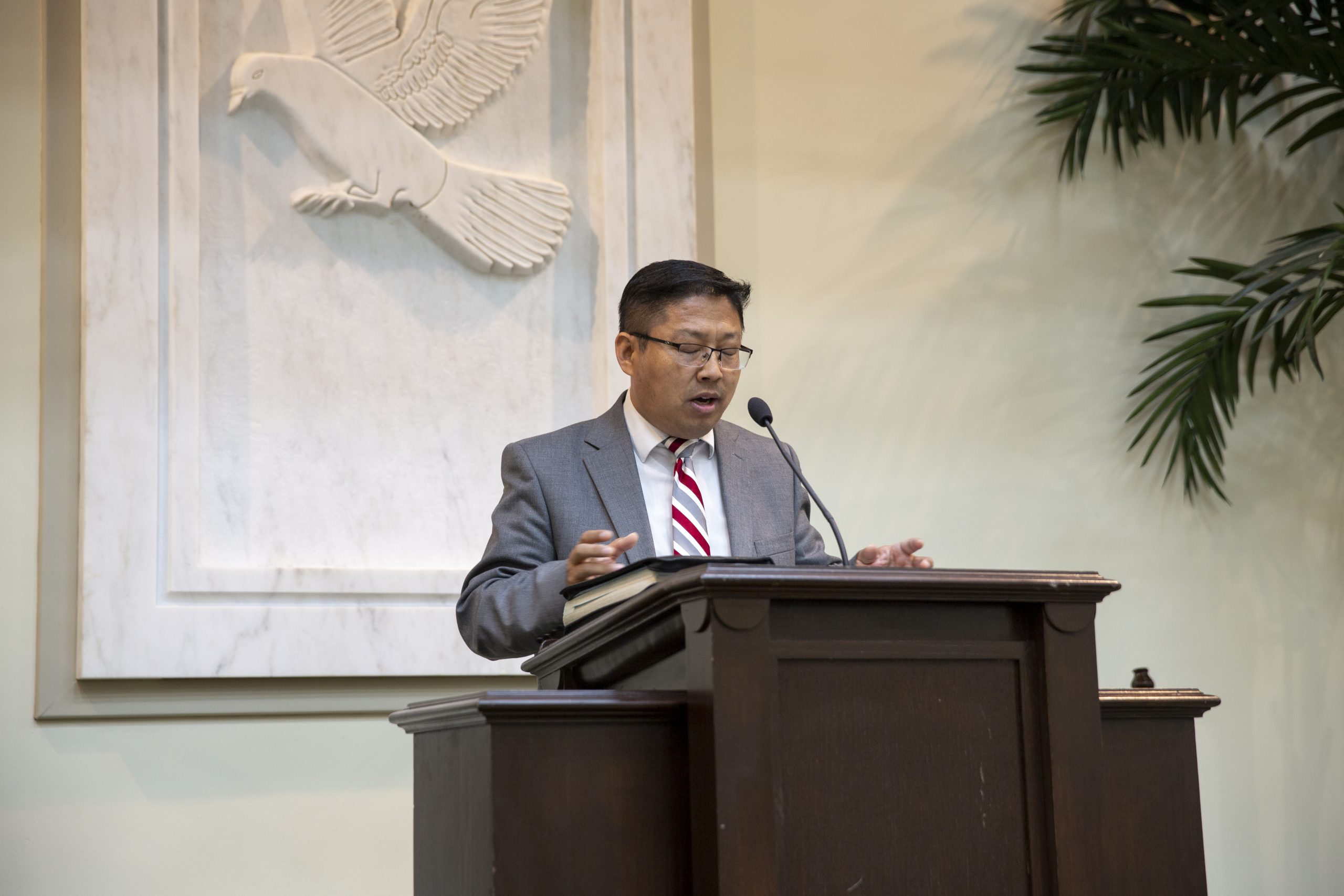
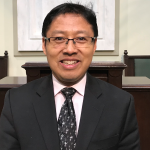 李春海牧师
李春海牧师
最新信息
01/25/26 牧者之言
寻根之旅
2025 年 6 月 9 日至 10 日,我在回中国期间,前往了父亲的老家——河南省商丘市柘城县。谨将此次行程加以整理,与弟兄姐妹分享。此分享分两个部分。
- 第一部分:春雨姐妹的信仰见证
- 第二部分:前往河南老家的寻根历程
春雨姐妹是此次行程中的司机。她放下手中的工作,专程开车载我们从洛阳前往柘城。在这一路的同行中,她坎坷的经历与生命的故事,给我们留下了深刻而宝贵的印象。
第一部分:春雨姐妹的信仰见证春雨姐妹的信仰见证
- 信主过程
春雨为什么会信耶稣呢?这件事要从她 13 岁左右说起。
她说:“我大概 10 岁左右的时候,父母离婚。那时,我和哥哥两个人住在出租屋里,母亲后来跟别人走了,家里就只剩下我和哥哥。后来父亲在大庆的一家钢铁厂找到工作,就把我和哥哥都接到了工厂那边生活。
刚开始,因为在工厂里没有房子,我们只能住在父亲的集体寝室。后来工厂建了一些 简易房,我们才搬过去住。但那些简易房里面没有厕所,如果要上厕所,就必须去外面的公共厕所。
那时候正好是青春期,我刚来月经,什么都不懂,也没有人教我、告诉我该怎么办。晚上去公厕的时候,被吓到了。从那以后,我开始睡不着觉。
慢慢地,我开始看到很多黑色的影子,也能看到一些别人看不到的东西。我心里非常害怕。但一开始,我父亲并没有觉得我有什么大问题,只是觉得我不睡觉,眼圈发青,又没有什么明显的病症,也不像精神出了问题。
后来我去理发店当学徒。可到了晚上睡觉的时候,情况越来越严重:我会看到拖鞋自己立起来走,看到窗帘自己慢慢拉上,又慢慢关起来。因为太害怕了,晚上睡觉时,我甚至在枕头底下放一把刀。
后来,我父亲意识到,我可能是受了很大的惊吓。那时候我们都不信耶稣,只以为我是 “招了什么东西”。于是父亲给我姑姑打电话,把我送到了大姑家。
我清楚地记得,那是冬天。我们几个人 睡在一张炕上(东北火炕:一种与灶台相连、靠烧火取暖的砖石炕台,冬天整铺发热,一家人常在同一张炕上生活和睡觉)。可是到了晚上,我 又看到了黑色的影子,戴着一顶帽子,在我头上晃来晃去。我非常非常害怕。
那时,我姑姑对我说了一句话,我到现在都记得。她说:
“孩子,你想得救吗?
如果你想得救,你就要相信有一位神,
祂会救你。那一位就是耶稣。”
那个时候,我真的太害怕了,不想再看到那个黑影。所以我很确定地对我姑姑说:
“我信。”
于是,我姑姑就带着我一起祷告。就在祷告的时候,那个黑影不见了。
那天晚上,我睡到半夜,忽然又坐了起来,因为我又看到它了。我立刻叫我姑姑,说:
“姑姑,她又来了。”
我姑姑就在我身边,对我说:
“你闭上眼睛祷告,不要睁开。你要宣告,你是基督徒,你是神的孩子。”
从那天开始,我就完全得释放了。我再也没有看到过那个黑影,也再也不害怕了。从此以后,我成了基督徒。
- 主的道路高过我们的道路
在春雨的生命中,有一件长期纠结、深刻影响她人生走向的事情,那就是她曾经渴望报考神学院、将来全职服侍神,却最终未能如愿。这件事,主是这样一步一步带领她走过来的。
- 未能进入神学院所带来的巨大打击
关于我不能够去服侍神、不能上神学这件事情,我软弱过很多年。我曾经放弃过自己,甚至埋怨神的不公平,不满意祂的安排,觉得上帝在针对我。有时候我会不断地问:为什么我所想要的都不能实现?为什么我不想要的事情却总是轮到我?
当时我和我表哥两个人一起考神学,他一次就考上了,而我却没有成功。那时我觉得自己已经非常努力:在教会服侍了那么多年,圣经读了那么多遍,甚至每周都站在讲台讲道,也在圣诗班忠心服侍,在事奉的路上一直很虔诚地追求主。可是在我看来,神却没有使用我。我心里反复问:为什么神不用我?这件事情对我的打击非常大。
- 由失望转向埋怨,与神关系的破裂
也是因为这件事情,我一气之下选择了结婚。之后很多年,我始终走不出来,内心充满对神的埋怨。我甚至不再祷告,不想理祂。我心里对神说:我那么爱你,我那么愿意为你付出所有,可是你为什么不能使用我?这对我来说不公平。那段时间,我真实地埋怨过、伤心过,也非常难过。
- 偏离在基督里的生活,选择属世的道路
也因为这件事情,我选择不再活在基督里,而是选择活在这个世界上,开始爱慕虚荣,爱慕这个世界,愿意去享受世界带给我的虚荣和满足。然而后来我才明白,所有这一切的苦难,其实都是我自己给自己造成的。
- 对“服侍神”的错误理解
当时我固执地认为:只有在教会里服侍,才算是真正的神的仆人;如果不能在教会服侍,就不是神的仆人。这完全是我自己的认定,而不是神的心意。事实上,神早已为我预备了一条很美好的道路,只是我自己不愿意去选择。
- 十字路口的选择与随之而来的痛苦
那就好像我站在人生的十字路口。当我站在十字路口的时候,我没有听神的话,而是选择了自己想要走的路。可是我所选择的这条路实在太艰难了,可以说是一步一个坎。我走的每一步,都好像踩在玻璃上,一边流着血一边往前走。可是在这样的过程中,我却反过来埋怨神:为什么要给我这样一条路?
直到后来走过来我才明白,这条路并不是神给我的,而是我自己选择的。正如圣经所说:“你种的是什么,收的也是什么。”
- 从误解神到认识自己的责任
很多时候,我们生命中的误区,都是自己给自己造成的。我们常常以为是神给了我们苦难,是神给了我们困难;但事实上,这并不是祂的作为。
祂是爱我的神,是我的天父爸爸。祂怎么可能故意给我安排重重的难关呢?这么多年,我一直以为是“神不用我”,才导致我后来生活环境中的种种苦难。但当我真正走过来以后才知道,路是我自己走的;在十字路口做出选择的,也是我自己,并不是神给我安排了那样的结局。
- 最终的醒悟与更新的认识
直到今天我才真正明白:其实每一个人都在服侍神,每一个人都是神的仆人,只不过我们承担着不同的角色,走在不同的位置上。
- 网红歌手
春雨是中国大陆在网上开直播的流行歌手。她是怎么成为歌手的呢?
春雨讲到:很多时候,我觉得这就像人们常说的一句话:上帝为你关了一扇门,祂一定会为你打开一扇窗。
在圣经里,主耶稣也说过:野地里的百合花不种也不收,神却给它极美的装饰;天空的飞鸟,神尚且养活,何况是祂的儿女(太6:26)。
在我和孩子的爸爸分开以后,我的生活一下子跌到了谷底。那时候我没有工作,也没有任何工作经验。因为怀孕以后,我就再也没有出去打过工。等到我们分开时,我还欠下了三十万的贷款——那是我们在北京做生意时投进去的钱。
孩子的爸爸认为,我没有能力养活孩子,也不能养活自己,更何况还背着这么多贷款。所以他很笃定,我走不出他的圈子,也离不开他。因此,他没有再给我任何经济上的支持。
那段时间,我没有房子,也没有家,什么都没有。我在哥哥家住了 两个月。后来,我只能出去打工,卖房子,找过很多种工作,但不管做什么,都赚不到足够的钱,既还不起每个月的贷款,也顾不上照顾孩子。
慢慢地,我觉得,我的人生好像已经走到头了。我甚至想过,银行的钱就不还了吧;
如果哪一天因为欠钱被警察抓进去,那就进监狱吧,谁让我自己选择了这条路。
就在这样的光景中,后来因为一个很偶然的机会,我接触到了 “全民 K 歌” 这样一个网络平台。我本来就很喜欢唱歌,而且以前在宝泉教会也曾在圣诗班服侍。当我知道,唱歌竟然可以赚钱的时候,我心里真的觉得:这是神为我打开的一扇窗。
从那以后,我开始在网络平台上唱歌。那段时间,我几乎是 一天 24 个小时,要唱 16 个小时。每天都非常累,可以说是用生命在赚钱。
起初,我很清楚地跟我的上帝说:
“只要能把贷款还上,每个月能供两个孩子上学,够我们生活就行了。”
神满足了我。
后来,我又开始想:
“如果能买一套房子就好了,几十万的房子就可以,只要够我们生活就行。”
神再次满足了我。
可是,我慢慢发现,我的心开始变得越来越贪婪。我想要的不再是几十万的房子,而是更好、更大的。所以,现在生活很累的原因,不是神没有给我,而是我选择的路,要自己去走。神给我的,一直都是足够用的。
再后来,我真的可以单单靠着唱歌来赚钱,甚至在各大平台,发行属于自己的歌。这一切,对我来说,都是一个真实发生的神迹。我一天可以唱 十几个小时、一百多首歌,可我的嗓子 从来没有哑过。哪怕今天再累,睡一觉,第二天依然还能唱那么多。
这是我的神,一位很爱我的神。
- 死里逃生
这些年,因为每天都要熬夜,时间久了,再加上年龄慢慢大了,身体也开始出现各种各样的毛病。
就在去年(2025年)五月份,有一天我连续工作了三十多个小时,中间没有休息,也没有睡觉。那天干了一整天的活,实在熬不住了,回到家里,家里只有我一个人,我一躺下就睡着了。我提前定了闹钟,因为晚上还要继续上班。
等我醒来的时候,意识是清醒的,可我发现自己完全动不了。我的头特别晕,那种晕是天旋地转的,连站都站不起来。我当时不知道发生了什么,只以为是睡得太久、起猛了,心里想着再等一会儿,缓一缓可能就好了。可是又过了一会儿,我发现自己依然只是意识清醒,四肢还是完全动不了。我甚至一睁开眼睛,就觉得天花板在转,胃里一阵一阵地翻腾,忍不住吐了好几次。
就在那个时候,我心里一下子慌了,突然意识到:坏了,我可能真的生病了。
我开始想:是不是脑袋出问题了?
大概又过了 两个小时左右,我才勉强拿起手机,想给家里人打电话。但我很清楚地知道,家里根本没有人,他们都在我哥哥家,就算现在赶回来,也至少需要 一个小时左右,也帮不了我什么。所以,我就直接拨打了 120。
救护车来了,直接把我送到医院。医生一看症状,就告诉我:
“有可能是脑出血。”
那一刻,我心里特别害怕。我害怕自己真的生病了,我害怕自己倒下了。更害怕:如果我倒下了,我的孩子怎么办?
我在心里向我的神祷告。那时候,我的意识一直很清醒。我闭着眼睛对医生说:
“你让我睡一觉就好了。”
可是医生还是坚持让我做脑 CT,做各种检查。因为当时已经是半夜,只能先办理住院。医生用我的手机,给我的家人——我妈妈和我哥哥打了电话。他们赶到医院的时候,我已经住进医院了。那段时间,我几乎不能睁开眼睛,一睁开眼睛就想吐。可当晚值班的医生,也没有一个人能准确地告诉我们到底是什么问题,只说要等到第二天早晨,主任医师来了,再继续检查。
慢慢地,我心里却变得 很平安。我知道,我的神一直都在。
我大概睡了几个小时。等我再睁开眼睛的时候,发现四肢已经可以动了。我的手可以攥拳头,也可以向上、向下活动。
后来医生过来看我,说需要我住院观察几天,但因为没有床位,只能安排在走廊。我就对医生说:
“没关系,我回家吧,回家休息几天。”
也就是在那个时候,我才真正意识到:生命是多么宝贵,活着是多么重要。神把生命给我,让我活在这个世界上,我是多么幸运。可是过去的我,从来没有真正感恩过,也从来没有觉得自己的生命有多重要,从来没有觉得它这么珍贵。从那一刻起,我心里很清楚地知道:活着,才是最重要的。在基督里活着,才是最重要的。
- 主是患难中的力量
春雨分享:我的人生虽然很艰难,但我为什么仍然甘心跟随主?我想说:因为神就是我的生命,是我活着的动力。不管我经历什么样的苦难,不管我身处什么样的环境,我都清楚地知道:祂是我的神。祂是我唯一可以抓得住的根源,是唯一能够让我活得有尊严、让我真正有生命的神。
既然如此,我怎么可能放下祂、不再跟随祂呢?虽然我承认,我信得并不好,但我的信仰从来没有动摇过。更重要的是,我不是只在头脑里认识神,我是亲身经历过神的同在,也亲身经历过神迹发生在我身上。
我一生中经历过两次严重的车祸。每一次,神都实实在在地保守了我的生命。
第一次车祸,我坐在一辆面包车里,车上坐了很多人,我坐在最里面。出车祸的时候,车翻了好几个圈。车上的人,脸上、身上都被碎玻璃划得伤痕累累。可当我从车里爬出来的时候,我连一块皮都没有破。
第二次车祸,我抱着我的儿子坐在车上,是孩子的爸爸开车。车同样 翻了好几圈,滚了下去。我坐在副驾驶的位置,那一刻我只来得及喊了一句:“神啊,求你救我!”结果,我和我的儿子 连一根毫毛都没有伤到。而孩子的爸爸,头上、身上都有好几处伤。
这不是巧合,这是神迹,这是恩典,这是 神对我的眷顾。
救我生命的神,我怎么可能不跟随祂?赐给我生命的神,我怎么可能忘记祂?在我人生最艰难的时候,是祂带我一步一步走出来,我怎么可能背弃祂?
神对我来说,和生命一样重要。祂是我 唯一的根源。所以,我的脚步只能站在基督里。不管你在什么样的环境中,不管你正在经历什么,祂是我的神,这一点永远都不会改变。(未完待续)
A Journey of Seeking Root
From June 9 to June 10, 2025, during my return trip to China, I traveled to my father’s hometown—Zhecheng County, Shangqiu City, Henan Province. I would like to organize and share this journey with my brothers and sisters. This sharing is divided into two parts:
- Part One: The Faith Testimony of Sister Chunyu;
- Part Two: The Journey of Seeking Roots in My Father’s Hometown in Henan.
Sister Chunyu was the driver for this trip. She set aside her own work and personally drove us from Luoyang to Zhecheng. During this journey together, her difficult life experiences and her story of faith left a deep and precious impression on us.
Part One: The Faith Testimony of Sister Chunyu
• How She Came to Believe in the Lord
Why did Sister Chunyu come to believe in Jesus? This story begins when she was about thirteen years old. She shared her own story as follows:
When I was around ten years old, my parents divorced. At that time, my older brother and I lived together in a rented place. Later, my mother left with someone else, and the household was left with just my brother and me. After that, my father found a job at a steel factory in Daqing, and he brought both my brother and me there to live.
At first, because there was no housing available at the factory, we could only stay in my father’s communal dormitory. Later, the factory built some simple housing, and we moved there. However, those simple houses did not have toilets. If we needed to use the restroom, we had to go to a public toilet outside.
At that time, I was right in puberty. I had just started menstruating, but I didn’t understand what was happening, and no one taught me or told me what to do. One night when I went to the public toilet, I was badly frightened. From that point on, I could no longer sleep.
Gradually, I began to see many black shadows, and I could see things that other people could not see. I was extremely afraid. But at first, my father did not think there was a serious problem. He only noticed that I could not sleep, that my eyes were dark from exhaustion, and that there were no obvious physical symptoms. It also did not seem like a mental illness.
Later, I went to work as an apprentice at a hair salon. But at night, when it came time to sleep, things became worse. I would see slippers stand up and walk by themselves. I would see the curtains slowly pull together and then slowly close. Because I was so afraid, I even put a knife under my pillow when I slept.
Eventually, my father realized that I might have been deeply traumatized. At that time, none of us believed in Jesus. We thought I had ‘encountered something unclean.’ So my father called my aunt and sent me to stay at my eldest aunt’s home.
I clearly remember that it was winter. Several of us slept together on one heated brick bed (a traditional northeastern heated kang, which is connected to a stove and warms the entire platform in winter; families often live and sleep together on it). But at night, I again saw a black shadow wearing a hat, moving back and forth above my head. I was terrified.
At that time, my aunt said something to me that I still remember to this day. She said:
‘My girl, do you want to be saved? If you want to be saved, you must believe that there is a God. He will save you. That One is Jesus.’
At that moment, I was truly terrified and did not want to see that black shadow anymore. So I answered my aunt very firmly:
‘I believe.’
Then my aunt prayed with me. While we were praying, the black shadow disappeared. That night, I slept until the middle of the night, when I suddenly sat up again because I saw it again. I immediately called out to my aunt and said:
‘Aunt, it’s back again.’
My aunt stayed beside me and said:
‘Close your eyes and pray. Do not open them. You must declare that you are a Christian, that you are a child of God.’
From that day on, I was completely set free. I never saw that black shadow again, and I was no longer afraid. From then on, I became a Christian.
• The Lord’s Ways Are Higher Than Our Ways
In Sister Chunyu’s life, there was a matter that caused long-term struggle and deeply influenced the direction of her life. She once longed to apply to seminary and to serve God full-time, but she was ultimately unable to do so. This is how the Lord gradually led her through that experience.
- The Great Blow of Not Entering Seminary
For many years, I was frustrated because I could not go to seminary and could not serve God in that way. I even gave up on myself. I complained about God’s unfairness and was dissatisfied with His arrangements, feeling that God was targeting me. I often asked: Why can’t the things I want ever be realized? Why do the things I don’t want always happen to me?
At that time, my cousin and I applied to seminary together. He was accepted on his first try, but I was not. I felt that I had already tried my best: I had served in the church for many years, read the Bible many times, preached from the pulpit every week, and faithfully served in the choir. I had always pursued the Lord earnestly in ministry. Yet in my eyes, God was not using me. I kept asking myself: Why is God not using me? This was a tremendous blow to me.
- From Disappointment to Complaint, and a Broken Relationship with God
Because of this, I got married in a moment of anger. For many years afterward, I could not move past it. My heart was filled with complaints against God. I even stopped praying and did not want to talk to Him. In my heart I said to God: I love You so much, and I am so willing to give everything for You. Why won’t You use me? This is not fair to me.
During that period, I truly complained, grieved, and felt deep sorrow.
- Drifting Away from Life in Christ and Choosing a Worldly Path
Because of this, I chose not to live in Christ anymore, but to live in the world instead. I began to love vanity and the things of this world, and I was willing to enjoy the vanity that the world could offer. Later, I came to realize that all of this suffering was something I had brought upon myself.”
- A Wrong Understanding of ‘Serving God’
At that time, I stubbornly believed that only serving in the church meant being a true servant of God, and that if one did not serve in the church, then one was not God’s servant. This was entirely my own assumption, not God’s will. In fact, God had already prepared a beautiful path for me, but I was unwilling to choose it.
- Choosing at the Crossroads and the Pain That Followed
It was like standing at a crossroads in life. When I was there, I did not listen to God but chose the path I wanted to take. That path was extremely difficult, with obstacles at every step. Every step felt like walking on broken glass, bleeding as I went forward. Yet in the midst of this, I turned around and complained to God: Why did You give me such a path?
Only later did I understand that this path was not given by God; it was my own choice. Just as Scripture says, ‘What you sow is what you will reap.’
- From Misunderstanding God to Recognizing Personal Responsibility
Many of the misunderstandings in our lives are caused by us. We often think that God has given us suffering and hardship, but in fact, that is not His doing.
He is the God who loves me; He is my heavenly Father. How could He deliberately arrange countless obstacles for me? For many years, I believed that it was because ‘God did not use me’ that my later life circumstances became so difficult. But after walking through it, I realized that the path was my own choice, and the decision at the crossroads was mine—not God’s arrangement.
- Final Awakening and Renewed Understanding
Today, I truly understand that everyone is serving God, and everyone is God’s servant. We simply take on different roles and stand in different positions.”
• An Internet Celebrity Singer
Sister Chunyu is a popular singer who livestreams online in mainland China. How did she become a singer? She shared that many times, this experience felt like a saying people often use: when God closes one door, He will surely open another window.
In the Bible, the Lord Jesus also said that the lilies of the field do not toil or spin, yet God clothes them with great beauty; and that God feeds the birds of the air—how much more will He care for His children (Matthew 6:26).
After I separated from my children’s father, my life suddenly fell to rock bottom. At that time, I had no job and no work experience. After becoming pregnant, I had never gone out to work again. By the time we separated, I was burdened with 300,000 yuan in debt—money we had invested while doing business in Beijing.
My child’s father believed that I had no ability to support either the children or myself, let alone repay such a large debt. He was convinced that I could not leave his control and could not survive without him. Therefore, he stopped providing me with any financial support.
During that period, I had no house, no home, and nothing at all. I stayed at my brother’s place for two months. Later, I had no choice but to go out and work, sell houses, and try many different jobs. But no matter what I did, I could not earn enough money to cover the monthly loan payments and care for my children.
Gradually, I felt as though my life had come to an end. I even thought: maybe I should just stop repaying the bank loans. If one day I am arrested because of the debt, then so be it—after all, I chose this path myself.
It was during this time that, through a very coincidental opportunity, I encountered an online platform called ‘全民K歌’ (Pinyin: “Quanmin K Ge,” meaning National K-Song). I had always loved singing, and I had previously served in the choir at Baoquan Church. When I realized that singing could actually earn money, I truly felt that this was a window God had opened for me.
From that point on, I began singing on online platforms. During that period, I almost sang 16 hours a day out of 24. I was extremely exhausted—truly earning money with my life.
At first, I clearly told my God:
‘As long as I can repay the loans, cover my two children’s schooling each month, and have enough for our basic living, that will be enough.’
God met that need.
Later, I began to think:
‘If only I could buy a small apartment—just a modest place worth a few hundred thousand yuan—that would be enough for us to live.’
God met that need as well.
But gradually, I discovered that my heart was becoming more and more greedy. What I wanted was no longer a small apartment, but something bigger and better. So the reason life feels so exhausting now is not because God has not provided, but because the path I chose is one I must walk myself. What God has given me has always been sufficient.
Later on, I was truly able to support myself solely through singing, and even released my own songs across various platforms. All of this has been a genuine miracle in my life. I can sing for more than ten hours a day, over a hundred songs, and my voice has never gone hoarse. No matter how tired I am, after one night of sleep, I can sing just as much the next day.
This is my God—a God who loves me deeply.
• Delivered from the Brink of Death
Over the years, because I often stayed up late every day, and as time passed and I grew older, my body began to develop various problems. Last year (May 2025), there was one day when I worked continuously for more than thirty hours without rest or sleep. After working all day, I could not endure it anymore and returned home. I was alone at home, and as soon as I lay down, I fell asleep. I had set an alarm in advance because I still needed to work again that night.
When I woke up, my consciousness was clear, but I realized that I could not move at all. My head was extremely dizzy—so dizzy that the world was spinning, and I could not even stand up. At first, I did not know what was happening and thought maybe I had slept too long or gotten up too quickly. I told myself to wait a bit and see if it would get better. But after some time, I realized that although my mind was clear, my limbs still could not move at all. As soon as I opened my eyes, the ceiling seemed to spin, my stomach churned, and I vomited repeatedly.
At that moment, panic suddenly set in. I realized that something was seriously wrong. I began to wonder: could there be something wrong with my brain?
After about two more hours, I finally managed to pick up my phone and wanted to call my family. But I clearly knew that no one was at home; they were all at my brother’s place. Even if they rushed back immediately, it would take at least an hour and they would not be able to help much. So I directly called emergency services (120).
When the ambulance arrived, they took me straight to the hospital. After seeing my symptoms, the doctor said:
‘It could be a cerebral hemorrhage.’
At that moment, I was extremely afraid. I was afraid that I was seriously ill. I was afraid that I might collapse. Even more, I was afraid that if I fell, what would happen to my children? In my heart, I prayed to my God. My consciousness remained very clear the whole time. I closed my eyes and said to the doctor:
‘Just let me sleep for a while and I’ll be fine.’
But the doctors still insisted on a brain CT scan and various tests. Because it was already late at night, I could only be admitted first. The doctors used my phone to call my family—my mother and my brother. By the time they arrived, I had already been hospitalized. During that period, I could hardly open my eyes; whenever I did, I felt nauseous. None of the doctors on duty that night could give a clear diagnosis. They only said that further examinations would be done the next morning when the chief physician arrived.
Gradually, my heart became very peaceful. I knew that my God was always there.
I slept for a few hours. When I opened my eyes again, I found that I could move my limbs. My hands could clench into fists and move up and down.
Later, the doctor came and said that I needed to stay in the hospital for observation for a few days. But because there were no available beds, I would have to stay in the hallway. I told the doctor:
‘That’s okay. I’ll go home and rest for a few days.’
It was at that moment that I truly realized how precious life is and how important it is to be alive. God gave me life and allowed me to live in this world—how blessed I am. In the past, I had never truly been grateful, nor had I realized how important and precious my life was. From that moment on, I knew very clearly: being alive is the most important thing. Living in Christ is the most important thing.
• The Lord Is Strength in Times of Trouble
Sister Chunyu shared:
‘My life has been very difficult, but why am I still willing to follow the Lord? Because God is my life; He is the driving force that keeps me alive. No matter what kind of suffering I experience or what environment I am in, I know clearly that He is my God. He is the only source I can hold on to—the only God who allows me to live with dignity and truly have life.
Since that is the case, how could I ever abandon Him and stop following Him? I admit that I have not believed well, but my faith has never wavered. More importantly, I do not only know God in my mind—I have personally experienced His presence and have personally witnessed miracles in my life.
I have experienced two serious car accidents in my life, and each time, God truly protected my life.
In the first accident, I was sitting in a van with many other people, seated in the innermost position. When the accident happened, the vehicle rolled over several times. The other passengers were covered with cuts from shattered glass on their faces and bodies. But when I crawled out of the vehicle, not even a single piece of skin was broken on me.
In the second accident, I was sitting in the car holding my son, with my children’s father driving. The car also rolled over several times and fell down an embankment. I was sitting in the front passenger seat, and in that moment, I could only cry out once: “God, please save me!” As a result, my son and I were not harmed in the slightest, while my children’s father suffered multiple injuries to his head and body.
This was not a coincidence. This was a miracle. This was grace. This was God’s care for me.
How could I not follow the God who saved my life? How could I forget the God who gave me life? When my life was at its most difficult, He led me out step by step. How could I ever betray Him?
God is as important to me as life itself. He is my only source. Therefore, my steps can only stand in Christ. No matter what kind of situation you are in or what you are going through, this will never change: He is my God. (To be continued)
1/18/26 牧者之言
我们教会的异象
“没有异象,民就放肆;唯遵守律法的,便为有福。” (箴 29:18,NIV)
“没有异象,民就放纵;遵守律法的,必为有福。” (箴 29:18,NASB)
“没有异象,民就灭亡。” (箴言 29:18,KJV)
“我要将我的灵浇灌凡有血气的;你们的儿女要说预言,你们的少年人要见异象,你们的老年人要作异梦。” (徒2:17)
2026年1月11年教会召开第一次寻堂祷告会。会上,弟兄姐妹对“异象”、“我们教会的异象”以及“我们教会现阶段的异象”这些概念比较模糊。在此,牧者尝试回答这些问题。
1. 我们的异象
a. “异象”的定义
根据美南浸信会北美国内宣教部(North American Mission Board of the Southern Baptist Convention)2003年出版的《植堂人基础培训》(Basic Training for Church Planters)中指出:
在基督徒门训与教会成长的处境中,“异象”不是人凭自己构想出来的计划,而是圣灵所感动、上帝所赐下的方向,是对上帝旨意的属灵分辨。教会领袖需要借着持续、专一的祷告寻求神,等候祂启示祂对教会的心意。从这个角度看,异象是一种对将来之事的应许,是上帝神圣旨意的形象化表达,展现祂期望教会成为什么、并完成什么使命;同时,它也是一幅清楚而具挑战性的未来图画,是教会领袖深信教会“可以、也必须”在神的带领下实现的方向(17)。
b. 异象的特征
根据这本书的介绍,在教会发展中,异象是上帝赐下、引导教会走向祂未来的重要工具。一个合乎圣经、充满生命力的异象,通常具备以下十个特征:
第一,源于上帝的救赎旨意。以大使命为根基,回应上帝赐福并使用祂百姓的心意,并在具体可见的事工与顺服行动中体现出来。
第二,指向未来。超越当下的限制,引导教会看见并迈向上帝所预备的将来。
第三,以清晰的图像表达。不是抽象口号,而是可想象、可理解、可认同的未来画面。
第四,激励并动员信徒参与事奉。吸引人投入上帝的工作,推动同工合作与共同承担使命。
第五,唤起真实而持久的委身。激发信徒甘心献上时间、恩赐、资源与生命。
第六,促进教会合一。同一心灵、同一脚踪,凝聚人心,使全体朝着共同目标前行。
第七,体现本教会独特的呼召。清楚表明这间教会在特定处境中如何完成上帝托付的使命。
第八,聚焦关键优先次序。帮助教会分辨“最重要的事”,集中力量在核心使命上。
第九,赋予能力与信心。坚固信心,经历属灵动力,使教会在圣灵引导下勇敢前进。
第十,异象坚固教会。它使教会更具生命力,并作为金灯台不断为主发光。
c. 衡量异象
检验异象的五个问题:
1. 这个异象是否荣耀上帝?
2. 它是否激发信心,而不是造成惧怕?
3. 它是否能推动人采取实际行动?
4. 它是否需要凭信心迈出脚步、承担风险?
5. 这个异象是否适合当前的时间、地点和这群人?
d. 小石城以马内利华语浸信会的异象
我们教会的网站上陈述教会的大异象:
“但圣灵降临在我们身上,我们就必得着能力,并要在小石城,阿肯色州,全美国,直到世界各地,作主的见证!”
教会当前的异象是:找到自己的聚会场所——教堂。
澄清两个概念:“教会”和“教堂”是相关却不同的。希腊文中的 church(ἐκκλησία)指的是信徒的聚会或团契,而教堂则是教会聚会的实体场所。教会的建造包括两方面:一是内在建造,指生命成长、祷告读经、与神建立关系;二是外在建造,指集体敬拜、团契生活以及拥有固定聚会场所。内在是基础,外在是表现,两者相辅相成,并不矛盾。没有内在,外在只是空架子;没有外在,内在也难以发挥影响,容易流于口号。在寻找和建立教堂的过程中,我们不仅建造外在,也正好经历神大能的彰显,品尝以马内利神与我们同在的祝福与喜乐。
2. 牧者领受异象
李春海牧师于2018年6月蒙主呼召来到小石城以马内利华语浸信会服侍。2020 年刚做了开胸手术后,他迫切求告上帝,寻求祂对教会未来方向的指引。4 月 21 日,在祷告中,主给了一个清楚和持续的感动,题目是: “告诉孩子们:影响下一代”( “Tell Our Children — Impact the Next Generation”)。
具体内容:
“作为在美的华人基督徒,我们要告诉我们的孩子们:我们需要上帝赐给我们一间真正属于祂、也属于我们的教堂。有一天我们可以感恩地对我们的孩子们说:你们的父辈曾同心合意,靠着上帝的恩典建立教会。今天,我们这一代信徒,当凭着信心与勇气,倚靠上帝所赐的智慧和聪明,彼此联结,竭力传福音、抢救灵魂,服事众人、回馈社会,影响社区,甚至改变世界。
我们深信有一天,我们的孩子会以父辈的信心与勇气为榜样,在他们未来的学习、事业和人生道路上,继续倚靠上帝,勇敢地迈向祂所应许之地,进入上帝为他们预备的一片蓝天。愿世界因他们而不同!”
这份异象有以下几个印证:
第一,主的话语
2020 年 7 月,主借着祂的话坚固异象。《哈该书》1:7–8 说:“万军之耶和华如此说:你们要省察自己的行为。你们要上山取木料,建造这殿,我就因此喜乐,且得荣耀。”
第二,牧者与同工的印证
2020年4月22日,牧者将这份感动分别与Don Challenor 牧师、以马内利浸信会母会的Marker Carter牧师、以及魏荣恩牧师分享时,他们对这份异象都予以积极的肯定。
2020年4月27日李牧师与Paul和Vivian分享这个异象。他们说:“感谢主。当十几年前教会成立之初,我们设立的目标就是教会要成为一个自立的美南浸信会教会”。
第三, 华人牧者的鼓励
华人资深牧者梁德舜牧师在 2019 年 9 月 22 日 来我们教会讲道。次日清晨送梁牧师去机场时,李牧师请教他:“我们教会的期待应当是什么?”他回答说:“你们的教会应当有自己的教堂。只有这样,才能对社区产生更大的影响,并更广泛地拓展神国的事工。”
2020年12月29日李牧师收到梁牧师寄给的圣诞信,上面说:“我向主为你祈祷智慧、能力带领祂的子民同心努力建立主的教会,广传福音。我们可以完全放心,上帝掌管一切,并且祂有一个特定计划,要你、我按时完成。祂应许永远不会离开我们或抛弃我们。”上帝借着他的老仆人在说话:“时候到了,是该采取行动了”!
第四,同工新冠测试结果
当时有一位同工疑似感染新冠。牧者向神祷告,求一个凭据:若检测结果为阳性,当主日崇拜将改为线上进行,他也不会分享建堂的异象。结果主垂听祷告,检测结果为阴性,现场崇拜照常举行,建堂的异象也得以在当日分享。
第五,小石城的需要
小石城是阿肯色州的州府,华人人口估计已有上千人,但在整个城市中,仍然没有一间华人教堂。作为蒙神恩典与祝福的以马内利浸信会,我们理当承担起这一项功在当代、利在千秋的时代使命,回应这座城市中真实而迫切的需要。
3. 我们教会的历史与现状
小石城以马内利华语浸信会始于 1990 年 的家庭学生查经班;1993 年在以马内利浸信会聚会;1998 年 正式成为以马内利浸信会的福音堂(a Mission Church of IBC);2003 年 由五位弟兄姐妹重新开始主日学;2004 年恢复主日崇拜,并邀请不同讲员传讲信息。2021 年 11 月 14 日,教会正式成为独立教会,定名为“小石城以马内利华语浸信会”。2022 年 7 月 3 日,教会搬迁至 Markham Street Baptist Church 的 Fellowship Hall 聚会。
在当周主日的牧者之言《抱雏之窝》(诗 83:4)中提到:Markham Street Baptist Church 已将原教堂赠予阿肯色州浸信会儿童之家与家庭事工(The Arkansas Baptist Children’s Home and Family Ministries),我们目前每月支付 2,000 美元使用场地。这是一个暂时的聚会地点,可谓“骑驴找马”。同时,这里也成为教会成长与训练的机会,使弟兄姐妹在教导、拓展福音、清洁服侍、管家职分,以及儿童与青少年事工等方面得到装备和造就。
根据 2026 年 1 月 11 日 会友会议资料,教会现有会友 94 人(其中活跃会友 78 人,非活跃会友 16 人),大约有XX万美元可用于建堂。
当有同工问:“我们教会要有自己的教堂,这是从神来的异象吗?”李牧师明确回答:“是的,100%确定。”
又有人问:“那你觉得我们准备好了吗?”李牧师回答:“是的。”
李牧师和许多代祷勇士早已在祷告中为此预备,他祈求神将这异象清楚地指示给所有弟兄姐妹,使每个人都被激动,心被恩感献上自己,因为“一人不能完成大使命”。当主看见祂的儿女为祂的事工热心起来、行动起来时,祂的心是何等喜乐!
主啊,求你引导我们继续走在祢的道路上。阿门!
Our Church’s Vision
“Where there is no revelation, the people cast off restraint” (Prov. 29: 18, NIV)
“Where there is no vision, the people are unrestrained”(perish in KJV) (Prov. 29: 18, NASB)
“I will pour forth My Spirit upon all mankind; and your sons and your daughters shall prophesy, and your young men shall see visions, and your old men shall dream dreams” (Acts 2: 17, NASB).
January 11, 2026 – First Seeking Building Prayer Meeting
On January 11, 2026, our church held its first prayer meeting for seeking a church building. During the meeting, many brothers and sisters expressed that the concepts of “vision,” “our church’s vision,” and “our church’s current stage of vision” were somewhat unclear. Here, the pastor attempts to answer these questions.
1. Our Vision
a. Definition of “Vision”
According to the “Basic Training for Church Planters” published in 2003 by the North American Mission Board of the Southern Baptist Convention (NAMB), in the context of Christian discipleship and church growth, “vision” is not a humanly devised plan. Rather, it is a Spirit‑inspired direction given by God and a spiritual discernment of God’s will for His church. Church leaders must seek God in continual and focused prayer, waiting on Him to reveal His intentions for the congregation. From this perspective, vision is a promise of what is to come and a representation of God’s divine intention—showing what God desires the church to become and accomplish. It is also a clear and challenging picture of the future that church leaders deeply believe the church “can and must” achieve under God’s leading.
b. Characteristics of Vision
In church growth, vision is a God‑given tool that guides the church toward its future. A biblical and life‑filled vision normally has the following ten characteristics:
- It comes from God’s redemptive purpose. It is grounded in the Great Commission, responding to God’s desire to bless and use His people in visible ministries and acts of obedience.
- It focuses on the future. It goes beyond present limitations and leads the church toward what God has prepared.
- It communicates through clear images. It is not abstract language, but a future picture that can be imagined, understood, and embraced.
- It motivates and mobilizes believers for ministry. It attracts people to participate in God’s work and encourages cooperation and shared mission.
- It evokes genuine and enduring commitment. It inspires believers to willingly offer their time, gifts, resources, and lives.
- It promotes unity within the church. It aligns hearts and efforts so that all move toward the same goal.
- It reflects the distinct calling of this local church. It clearly shows how this specific congregation is to fulfill God’s purposes in its context.
- It focuses on key priorities. It helps the church discern what matters most and directs energy toward core mission.
- It empowers the church with faith and confidence. It strengthens faith and releases spiritual momentum for forward movement under the Holy Spirit.
- It builds up the church. A strong vision gives the church vitality and enables it to shine continuously as a lampstand for the Lord.
c. Evaluating Vision
Five questions to test whether a vision is genuine:
- Does this vision glorify God?
- Does it promote faith rather than fear?
- Does it motivate people to do action?
- Does it require stepping out by faith and taking risks?
- Is it right for this time, place, and people?
d. The Vision of Little Rock Immanuel Chinese Baptist Church
On our church website, we state the church’s grand vision:
“But we will receive power when the Holy Spirit comes on us; we will be the Lord’s witnesses in Little Rock, and in Arkansas and the United States, and to the world!” (Acts 1:8)
The church’s current vision is: to find our own place of worship — a church building.
To clarify two concepts: “church” and “church building” are related but different. The Greek word church (ἐκκλησία) refers to the assembly of believers. Church building is the physical place where the church meets. Church construction involves two aspects: Internal building — spiritual growth, prayer, Bible reading, and establishing a relationship with God;
External building — corporate worship, fellowship life, and having a fixed meeting place.
Internal is the foundation; external is the expression. They are complementary, not contradictory. Without internal building, external structure is an empty shell; without external building, internal life is limited in influence and can easily become hollow words. In seeking and establishing a church building, we not only build outwardly but also experience God’s mighty power and taste the blessings and joy of Emmanuel — God with us.
2. The Pastor’s Received Vision
Pastor Chunhai Li was called by the Lord to serve at Little Rock Immanuel Chinese Baptist Church in June 2018. After undergoing open‑heart surgery in 2020, he earnestly sought God for guidance concerning the church’s future. On April 21, during prayer, the Lord gave him a clear and ongoing burden under the theme:
“Tell Our Children — Impact the Next Generation.”
Specific content:
“As Chinese Christians living in America, we must tell our children: we need a church building that truly belongs to God and also belongs to us. One day, we can gratefully tell our children: your parents once united in heart and, by God’s grace, built this church. Today, our generation of believers, relying on faith and courage and the wisdom God provides, must unite with one another, diligently proclaim the gospel, rescue souls, serve others, give back to society, impact the community, and even change the world.
We firmly believe that one day, our children will look to their parents’ faith and courage as an example. In their future studies, careers, and life journeys, they will continue to rely on God, boldly stepping into the land He has promised and entering the open skies God has prepared for them. May the world be different because of them!”
This vision has several confirmations:
First — God’s Word:
In July 2020, God reinforced the vision through Scripture. Haggai 1:7–8 says:
“This is what the LORD Almighty says: ‘Give careful thought to your ways. Go up into the mountains and bring down timber and build the house, and I will take pleasure in it and be honored,’” affirming the call to build.
Second — Confirmation from fellow pastors and coworkers:
On April 22, 2020, the pastor shared this burden with pastors Don Challenor, Marker Carter (from the mother church IBC), and Pastor Rone Wei, and all affirmed it positively.
On April 27, Pastor Li shared this vision with Paul and Vivian, who responded: “Thanks be to God. When the church was established over a decade ago, our goal was for the church to become an autonomous Southern Baptist church.”
Third — Encouragement from a Respectful Chinese Pastor:
On September 22, 2019, veteran Chinese Rev. Peter Leong preached at our church. The next morning, on the way to the airport, Pastor Li asked him: “What should our church’s expectation be?” He replied, “Your church should have your own church building. Only then can you have greater impact on the community and more effectively expand the work of God’s kingdom.”
On December 29, 2020, Pastor Li received a Christmas letter from Pastor Leong:
“I pray to the Lord for you, asking for wisdom and strength to lead His people in unity to build the Lord’s church and spread the gospel. We can rest assured — God is in control of all things, and He has a specific plan for you and me to fulfill in God’s timing. He promises never to leave us or forsake us.”
God, through His faithful servant, seemed to say: “The time has come — it is time to act!”
Fourth — A coworker’s COVID test result:
At that time, one coworker was suspected of having COVID. The pastor prayed for a sign: if the test was positive, that Sunday’s worship would move online and he would not share the building vision. The Lord heard the prayer — the test was negative, in‑person worship proceeded, and the vision was shared as planned.
Fifth — The need in Little Rock:
Little Rock is the capital of Arkansas. The estimated Chinese population is already over a thousand, yet the city still has no Chinese church building. As a church blessed by God, our LRICBC should take up this mission that benefits this generation and the next, responding to a real and urgent need in the city.
3. Our Church History and Current Reality
Little Rock Immanuel Chinese Baptist Church began in 1990 as a family and student Bible study. In 1993, the group met at Immanuel Baptist Church; in 1998, it officially became a mission church of IBC. In 2003, five brothers and sisters restarted Sunday School; in 2004, Sunday worship resumed with various guest speakers. On November 14, 2021, the church formally became an autonomous congregation, named “Little Rock Immanuel Chinese Baptist Church.” On July 3, 2022, the church moved its worship to the Fellowship Hall of Markham Street Baptist Church.
During that week’s Pastor’s Word (“A Shelter for the Young”; Psalm 83:4), it was noted that Markham Street Baptist Church had given its original church building to The Arkansas Baptist Children’s Home and Family Ministries, and we currently pay $2,000 per month for our meeting space. This is a temporary location — a “ride‑the‑donkey while seeking the horse” situation — but it also provides opportunities for church growth and training, equipping brothers and sisters in teaching, evangelism, service, stewardship, and children and youth ministries.
According to the January 11, 2026 members’ meeting report, the church has 94 members (78 active, 16 inactive) and about $XX is realistically available for a building.
When a coworker asked, “Is having our own church building truly a God‑given vision?”
Pastor Li replied unequivocally: “Yes — 100% sure.”
Another asked, “Do you think we are ready?” He answered: “Yes, absolutely.”
Pastor Li and many prayer warriors have long prepared for this in prayer. He asks God to make this vision clear to all brothers and sisters and to stir every heart to willingly serve, because “no one person can fulfill the Great Commission alone.” When the Lord sees His children passionately acting for His work, how joyful His heart must be!
Lord, guide us to continue walking in Your ways! Amen!
01/11/26 牧者之言
为基督受苦不仅仅是“必然的恶”
马特·罗兹(Matt Rhodes)
神义(即神是否公义的)问题
在当今西方社会的传福音对话中,你很快就会遇到有人问你关于神义的问题:一个良善的神,怎能允许世界上存在苦难?在教会中,你也常常会听到这一话题被以某种形式提及。然而,情况并非总是如此。在世界的其他地区——例如我和妻子服侍的北非穆斯林——人们并不像西方如此关注神义问题,历史上大多数人也是如此。当然,圣经并没有像当今许多基督教作家那样,把主要精力放在对神义问题的辩论上。
部分原因在于,我们现代对神义的关注是适当的,因为它帮助我们回应周围不信者的问题。但我们不能忘记,这类问题往往带有预设性。就像在法庭上问被告:“你是不是已经停止打你的妻子了?”律师必然会提出异议:“法官大人,这个问题假设我的当事人曾经打过妻子。”这类问题需要被重新表述,而不是直接回答。关于“一个良善的神,如何允许苦难?”的问题也是如此——它在一开始就假设了神的“有罪”,迫使我们去证明相反的事实。在这种对话中,神最多只能被勉强“无罪释放”,几乎没有空间去积极论证他的良善。
重新界定问题
那么,圣经如何重新界定神义的问题呢?圣经首先提醒我们,人类所知道的实在有限。神并没有直接回答约伯关于神良善的质问,而是以自己的问题回应约伯:
“死亡的门曾向你显露吗?
阴间的门你曾见过吗?
地的广大你能名透吗?
若你全知道,只管说吧。”(约伯记 38:17)
神在指出,他的知识远远超出约伯微不足道的理解。约伯无法完全理解神的作为。同样的道理,当我三岁的孩子这周想要喝洗洁精时,我并没有回应他拉长的“为——什——么——呀?”因为他不知道什么是毒药,不知道急诊室,不知道死亡;他无法理解我的决定。而孩子的“为——什——么——呀?”就是一种带有前提的神义问题:“为什么好爸爸要阻止我喝那看起来好吃的东西?”
圣经可能没有为我们详细解释神为何允许世上存在苦难,但也并未回避这个话题。相反,圣经继续重新界定问题,把讨论焦点放在我们能够理解的方面。它讲述了苦难如何进入世界,以及神如何应对苦难的故事。
在这个故事中有多个人物,也有多层因果关系。圣经提醒我们,神创造世界之初并没有苦难,苦难是在全人类背叛神并受魔鬼谎言欺骗之后才出现的。魔鬼对我们的苦难有自己的目的,这与神的目的截然不同。神的旨意是引领人进入超越苦难的应许之地,那时他“要擦去他们一切的眼泪,不再有死亡,也不再有悲哀、哭号、疼痛” (启 21:4)。而魔鬼的目标,是让我们永远困在死亡与苦难中。
苦难作为撒但的工具
重要的是,魔鬼不仅希望死亡与苦难成为我们的永恒归宿,他也利用死亡和苦难引导我们走向那条路。撒但为何要让约伯受苦?他当然从约伯的痛苦中获得恶意的快感,但他追求的更大的目标是:“你且伸手伤他的骨和他的肉,他必当面弃掉你。”(伯 2:5)撒但希望约伯的痛苦让他认为神已经弃他而去,从而失去信心。
当我们因信受苦时,这种诱惑更加直接:“你孤身一人,耶稣救不了你。如果你不信他,你现在就不会受苦。”这就是为什么耶稣提醒彼得:“西门啊,西门,撒但想要得着你们,好筛你们像筛麦子一样,但我已经为你祷告,叫你不至于失了信心。”(路 22:31)耶稣知道撒但要来攻击彼得的信心。在十字架恐怖的时刻,彼得会被诱惑相信耶稣的敌人已经胜利。他会选择撒谎以自保,而不是信靠神的拯救。撒但的目标,是将彼得信心中的麦壳筛尽,留下没有麦子。
在新约中,我们多次看到撒但如此作工。正是在教会“遍布世界各地的苦难”之中,撒但“如同吼叫的狮子,遍地游行,寻找可吞吃的人”(彼前 5:8–9)。希伯来书的作者也告诉受逼迫的读者,人因“怕死”而被撒但“奴役终生”(来2:14–15)。
今天,人们仍因怕死而被奴役。在福音尚未广传的地区,不仅是错误教导,而是苦难的威胁,使人被奴役。人们害怕谈论基督,害怕听神的话,害怕相信。即使在福音广为传扬的地方,对死亡的恐惧——对短暂生命结束后没有意义的焦虑——也阻碍许多人信耶稣。
为基督受苦以祝福他人
感谢神,他不会让撒但的计谋得逞。神也在我们的苦难中做工,正如他在世上所有邪恶中做工一样,并且他在苦难中作工是为了善。今天,当基督徒谈论神如何借苦难成就美好时,我们往往集中在神借苦难塑造品格的方面。神确实会借苦难成就这一目的,但新约更多地将苦难描绘为一种牺牲,而非单纯的品格磨炼(参腓 2:17;西 1:24;提前 4:6)。经常将苦难看作是为他人而献给神的祭物(参约 12:24;约 15:13;西 1:24)。
那么,当我们为基督受苦时,别人如何得益呢?保罗解释道:“我们四面受苦,却不被困住;心里作难,却不至失望;遭逼迫,却不被丢弃;被打倒,却不至灭亡;我们身上常常带着耶稣的死,好叫耶稣的生命也显明在我们身上。”(林后 4:8–10)
正是通过保罗的受苦,耶稣复活生命的能力在他“必死的肉身”中显明出来,让他人看见。保罗的受苦不仅使他能够宣讲耶稣的大能,也让他人看到这大能。还有什么比这更重要的呢?撒但借苦难和死亡的恐惧来破坏信仰、束缚人,而我们的受苦则照亮复活和永远奖赏的盼望,从而带来自由。
保罗还说腓立比的弟兄姐妹是他“倾注如同奠酒的供物”的对象(腓 2:17),是他的“喜乐和冠冕”(腓 4:1)。因我们受苦而得以坚强的弟兄姐妹,将成为我们永恒奖赏的一部分——这份“冠冕”给我们勇气为基督受苦。推动我们前行的,不仅是永生的盼望,更是与耶稣及这些弟兄姐妹一同享受永生的盼望,使我们在苦难面前不至退缩。
你为基督所承受的苦难,不必非得特别伟大或充满英雄色彩,基督的大能才能在其中显明。神的能力不仅在保罗那些“非凡”的苦难中得以彰显——如船难、鞭打和被石头打——也同样借着一个看似更加“平凡”的身体软弱上显明出来(林后 12:7–10)。无论我们因信所承受的困难多么普通,都是神所悦纳的牺牲,他必按自己的旨意使用它们。
结论
在今生,我们无法完全知道为何苦难是神计划的一部分。但我们可以知道,苦难并不仅仅是“必然的恶”。它是一种耶稣已经应许要加以救赎的邪恶(苦难),并且他正是藉着这一切来成就那救赎。正是通过他的受苦与死亡,苦难和死亡终将被吞灭,为所有神的子民带来永远的自由。而他也在我们的受苦中做工,让他人同样认识这种自由。
我们所受苦难的救赎,尚未完全实现。有时,在软弱中,苦难远超过我们所能承受的。但有一天,当一切受苦结束时,我们将尝到基督无限的喜乐。到那日,我们将不再怀疑上帝在引导我们经历苦难时的良善,也不再怀疑他所引领我们的道路是值得的。
Rhodes, Matt. Persecution in Missions: A Practical Theology.
来源:Crossway communications@crossway.org,2026年1月5日 20:49.
Why Suffering for Christ Is More Than Just a “Necessary Evil”
Matt Rhodes
Theodicy
You won’t go far in evangelistic conversations in the West today before someone asks you to explain the problem of theodicy: how it is that a good God could allow suffering in the world. Nor can you sit long in churches without hearing the topic addressed in some form. But it hasn’t always been that way. People in other parts of the world—in Muslim North Africa, for example, where my wife and I work—don’t share the West’s current preoccupation with questions of theodicy, nor have most people throughout history. Certainly, the Scriptures don’t give theodicy nearly the emphasis that Christian writers do today.
In part, our modern focus on theodicy is appropriate, as it helps us respond to the questions of unbelievers around us. But we mustn’t forget that questions can be loaded. Ask a defendant in court, “Have you stopped beating your wife yet?” and his lawyer is sure to object, “Your honor, the question presupposes my client has beaten his wife.” The question needs to be reframed, not responded to. Questions about how a good God could allow suffering are loaded in the same way. They begin by presupposing God’s guilt and demand that we prove otherwise. This leaves room, at best, for him to be reluctantly acquitted. There’s little room left in such conversations to argue proactively for his goodness.
Reframing the Question
So how do the scriptures reframe questions of theodicy? They begin by reminding us how little we know. Rather than answering Job’s questions about his goodness, God responds with his own questions:
“Have the gates of death been revealed to you,
or have you seen the gates of deep darkness?
Have you comprehended the expanse of the earth?
Declare, if you know all this.” (Job 38:17)
God is pointing out that his knowledge stretches infinitely past Job’s minuscule understanding. Job isn’t capable of understanding God’s actions. In the same way, when my three-year-old wanted to drink detergent this week, I didn’t answer his drawn-out “Why-y-y-y?” He doesn’t know what poison is, or an emergency room, or death; he isn’t capable of understanding my decision. And “Why-y-y-y?” is a loaded question. It’s toddler-level theodicy: “How could a good dad stop me from drinking that yummy-looking stuff?”
Now, the Scriptures may not detail for us why God ordained for there to be suffering in the world, but they don’t avoid the subject altogether. Instead, they continue reframing the problem by focusing the discussion on what we can understand. They tell us a story about how suffering entered the world and how God is responding to it.
There are multiple characters in this story and multiple levels of causation. The Scriptures remind us that God created the world without suffering and that suffering only appeared in the world after humanity rebelled against him and gave in to the devil’s lies. The devil has his own agenda in our suffering, and it couldn’t be more different than God’s. God’s agenda is to lead people to a promised land beyond suffering where he “will wipe away every tear from their eyes, and death shall be no more, neither shall there be mourning, nor crying, nor pain anymore” (Rev. 21:4). The devil’s agenda, on the other hand, is to trap us in death and suffering forever.
Suffering as Satan’s Tool
Importantly, the devil not only wants death and suffering to be our eternal destiny, he also works through death and suffering to lead us there. Why does Satan want Job to suffer? Certainly, he finds malicious delight in Job’s pain, but he has a bigger prize at stake. “Stretch out your hand,” he says to God, “and touch his bone and his flesh, and he will curse you to your face” (Job 2:5). Satan hopes Job’s pain will make him think God has forsaken him. He hopes suffering will make Job lose his faith.
When we suffer for our faith, this temptation is even more direct: “You’re all alone. Jesus can’t save you. If you hadn’t trusted him you wouldn’t be suffering right now.” That’s why Jesus warns Peter, “Simon, Simon, behold, Satan demanded to have you, that he might sift you like wheat, but I have prayed for you that your faith may not fail” (Luke 22:31). Jesus knows Satan is coming for Peter’s faith. In the terror of the crucifixion, Peter will be tempted to believe that Jesus’s enemies have won. Rather than trusting God for deliverance, Peter will lie to save himself. Satan hopes that when the chaff of Peter’s faith is sifted away, no wheat will be left. We repeatedly see Satan at work in this way in the New Testament. It’s through the church’s “suffering . . . throughout the world” that “the devil prowls around like a roaring lion, seeking someone to devour” (1 Pet. 5:8–9). And the author of Hebrews tells his persecuted readers that it’s “through fear of death” that the devil subjects people “to lifelong slavery” (Heb. 2:14–15).
The fear of death still holds people in slavery today. In the parts of the world that remain least reached by the gospel, it’s not only false teaching but the threat of suffering that enslaves people. People are afraid to speak of Christ, afraid to hear his word, and afraid to believe. And even where the gospel is widely proclaimed, the fear of death—the gnawing worry that this short life is all there is, and has no point aside whatever brief pleasures we experience before it ends—stops many people from believing in Jesus.
Suffering for Christ to Bless Others
Thankfully, God doesn’t let the devil get the last word. God is at work in our sufferings too, as he is in all evils in the world, and he’s at work in them for good. Today, when Christians speak of how God brings good out of suffering, we tend to focus on the ways he uses it to refine our character. God certainly uses suffering to this end, but the New Testament describes our sufferings far more often as a sacrifice than it does as an exercise in character growth (see, e.g., Phil. 2:17; Col. 1:24; 1 Tim. 4:6). It often paints our sufferings as being offered to God for the sake of others (see, e.g., John 12:24, 15:13, Col. 1:24).
How, then, do others benefit as we suffer for Christ? Paul explains, “We are afflicted in every way, but not crushed; perplexed, but not driven to despair; persecuted, but not forsaken; struck down, but not destroyed; always carrying in the body the death of Jesus, so that the life of Jesus also may be manifested in our bodies” (2 Cor. 4:8–10).
It’s through Paul’s sufferings that the power of Jesus’s resurrection life to sustain him is “manifested in [his] mortal flesh” for others to see. Paul’s sufferings enable him not only to tell people about Jesus’s power but also to show them his power. What could be more important? Where Satan uses suffering and the fear of death to undermine people’s faith and enslave them, our sufferings illumine the hope of resurrection and eternal reward that can set them free.
Where Satan uses suffering and the fear of death to undermine people’s faith and enslave them, our sufferings illumine the hope of resurrection and eternal reward that can set them free.
Moreover, Paul describes the Philippians, on whose faith he is being “poured out as a drink offering” (Phil 2:17), as “my joy and crown” (Phil 4:1). The brothers and sisters who are strengthened by our sufferings are a part of the eternal reward—the “crown” that gives us courage to suffer for Christ. It’s not only the hope of eternal life but of eternal life together with Jesus and these brothers and sisters that drives us onward when suffering would otherwise be too much to bear.
Your sufferings need not be especially great or heroic for Christ’s power to be seen in them. God’s power was not only revealed in Paul’s “extraordinary” sufferings—shipwrecks, beatings, and stonings—but also through an ostensibly far more “ordinary” physical ailment (2 Cor. 12:7–10). Whatever difficulties we bear in faith as we follow Christ are acceptable sacrifices to God, and he will use them for his purposes.
Conclusion
This side of eternity, we can’t know completely why suffering in the world was a part of God’s plan. But we can know that suffering isn’t merely a necessary evil. It’s an evil that Jesus has promised to redeem and through which he works to bring that redemption. It’s through his suffering and death that suffering and death will be swallowed up one day, for all God’s people, forever. And he’s at work in our sufferings to help others know that freedom, too. The redemption of our suffering isn’t yet complete. Sometimes, in our weakness, suffering is far heavier than we can bear. But one day, when sufferings are over, we’ll taste Christ’s infinite joy. There will be no room left on that day to doubt that God was good to lead us through suffering, or that the road was worth it.
Matt Rhodes is the author of Persecution in Missions: A Practical Theology.
From Crossway <communications@crossway.org>Jan 5, 2026, 8:49 PM to me.
01/04/26 牧者之言
“同工分享日”心得体会
按照我们教会的传统,每年最后一个主日是“同工分享日”。借此机会,我们感谢众同工的服侍,并激励每位弟兄姐妹更好地在神家中服侍。
2025年同工分享日的主题:“在身体里服侍”。经文:林前12:12-27,西3:23。
教会共有十二位弟兄姐妹作了分享,年龄从最小的十岁同工,到七十八岁的资深仆人。在主的愛中,我们彼此联结,看见每一位弟兄姐妹都积极参与服侍。一位弟兄说:“许多教会往往是 20% 的人承担了 80% 的服侍;但在我们教会,至少有 80% 的弟兄姐妹都在参与服侍”。我也想补充一句:我们教会100%的人都在服侍。其中,80%的人在台前服侍,20%的人在幕后服侍。弟兄姐妹或代祷、或奉献、或支持、或默默与人分享福音、或摆放或收起桌椅,我们都在做主的工。无论是台前还是幕后,事奉无小事(nothing is too small),每一样服侍都是主所悦纳的,实在值得感恩!
通过弟兄姐妹的分享,我总结几点:
- 我们共同寻求异象
箴言 29:18 说:“没有异象,民就放肆。”我们的总体方向很清楚:主自己就是我们的异象。因此,教会全年的主题是 “仰望耶稣”(来 12:1–2)。
魏牧师提到,教会当以基督为中心、以愛为准绳,成为一个传福音、合一相愛、彼此代祷的教会。当然,我们的教会一定需要找到自己的聚会场所。
有弟兄分享:教会的团契必须建立在愛与真理上。他也鼓励更多弟兄勇敢站出来,一同分享异象,参与建造,靠主共同复兴祂的教会。
- 我们各样的服侍都要指向主
教会中一切的服侍,都是为主而做,不是为人而做。为人做,越做越累;为主做,越做越喜乐。教会每次聚餐都预备得丰盛有余。弟兄姐妹在每个主日都积极配合,轮流带零食、清扫卫生。按安排,每个家庭一年大约两次负责准备零食、三次参与清洁服侍。每个主日,都有同工早早来到教会,预备音响设备,摆放圣经和周报,烧好热水,准备咖啡,为聚会顺利进行默默付出。有一位姐妹分享说,若没有圣灵的感动,人凭自己实在不能结出果子。当主感动她每日坚持通过微信发送经文灵修时,滴水穿石,福音的种子便在人的心中悄然撒下,慢慢孕育、发芽,产生影响。
- 儿童青少年不是教会的未来,而是教会的今天
感恩主预备了Chris 弟兄服侍我们的青少年。我们的儿童和青少年在教会中的各样服侍鼓舞着我们。他们的服侍包括司琴、VBS 宣教分享、每次聚餐分发食物等。在薪火相传项目中,青少年教儿童,儿童教小小朋友,小小朋友也可以与幼儿分享。神家接力棒的火炬正在传递。有位小朋友引用保罗的话说:“不可叫人小看你年轻;总要在言语、行为、愛心、信心、清洁上,都作信徒的榜样”(提前4:12)。
- 加强内部事奉
保罗说:“若有人不愛主,这人可诅可咒”(林前 16:22)。保罗并不是在咒诅人,而是在陈述一项属灵事实:当人不愛主时,必然是在愛自己或愛世界里;而愛自己、愛世界的结果,就是使人落在咒诅之中。
教会每周有主日崇拜、主日学、慕道班、周五团契、周三祷告会,以及每日晨祷,构成教会正常的属灵生活。我们不是因服侍而愛主,而是因愛主而服侍;也不愿把这些聚会当作例行公事,而是以生命来回应主、事奉主。
- 向外拓展
传福音是主托付给教会的大使命。有位牧者曾说:“不传福音的教会是自杀的教会;每位弟兄姐妹都积极传福音,教会才不会内耗。”我们要抓住每一次事工与活动的机会——无论是复活节、圣诞节、母亲节、教会特会,还是 VBS——积极邀请人参加,勇敢与人分享福音。
教会将继续安排为耶稣举牌(英文、中文、西班牙语)的外展行动,向万国万民分享福音。我们不问结果,只问忠心耕耘;行善不可丧志,到了时候就必有收成。
展望 2026 年,我想挑战每一位家人:每个人都要找到一种圣灵亲自指教、适合你与人分享福音的方式;每个人每天都要在祷告中为 3–5 位慕道友的救恩代求;并且坚持不懈地传福音,忠心回应主的大使命。
- 在挑战中前进
散会后,有一位姐妹分享说:“听到大家的见证,最大的感受是——每个人都有挑战。”是的,每个人都有挑战,这些挑战都是主按着我们各人所能承受的程度量给我们的。切记:当我们要为主做工时,也会受到仇敌的攻击。当我们要产生天国影响力时,仇敌不会高兴。但当我们能够识别仇敌的诡计,靠着主勇敢地冲过去,随后所经历的,往往是从主而来的喜乐。
前些日子,一位弟兄在晨祷会上分享:有一个主日,教会安排他女儿受浸,但当天早晨孩子突然又拉又吐。他迫切祷告后,凭信心仍带女儿来到教会。当孩子受完浸礼后,她就完全康复了。
面对挑战,我们不是靠自己,而是靠主去战胜;也正是在挑战中,我们学习更深地信靠主,坚持不懈地服侍上帝,生命也因此被主塑造和更新。
结语:
路加福音 17:10中说:“这样,你们作完了一切所吩咐的,只当说:我们是无用的仆人,所作的本是我们应分作的。”
在做完工之后,中国人喜欢说:“你受累了!”“你辛苦了!”主的儿女应该说:“你蒙福了!”“你有福了!”
哈利路亚,神的儿女何等有福!事奉上帝何等有福!
1/4/26 Pastor’s Word
“Coworker Sharing Day” Reflection
According to our church tradition, the last Sunday of each year is designated as “Coworker Sharing Day”. On this day, we take the opportunity to thank all the coworkers for their service and to encourage every brother and sister to serve more faithfully in God’s house.
The theme for the 2025 Coworker Sharing Day was “Serving in the Body.” Scripture references: 1 Corinthians 12:12-27; Colossians 3:23.
The church had a total of twelve brothers and sisters sharing, ranging in age from the youngest coworker at ten years old to the most senior servant at seventy-eight. In the love of the Lord, we are united, and we can see that every brother and sister actively participates in service. One brother said, “Many churches often have 20% of the people doing 80% of the service, but in our church, at least 80% of the brothers and sisters are involved in serving.” I would like to add: 100% of our church members are serving. Of these, 80% serve on the front, and 20% serve behind the scenes. Brothers and sisters may serve by praying, giving, supporting, constantly sharing the gospel, or setting up or putting away tables or chairs. We are all engaged in the Lord’s work. Whether on the front or behind the scenes, nothing is too small, and every act of service is pleasing to the Lord. Truly, this is worthy of thanksgiving!
Through the sharing of brothers and sisters, I have summarized a few things:
1. We Seek Vision Together
Proverbs 29:18 says, “Where there is no vision, the people perish.” Our general direction is clear: the Lord Himself is our vision (bold). Therefore, the theme of the church for the entire year is “Fixing Our Eyes on Jesus” (Heb. 12:1–2).
Rev. Ron mentioned that the church should be Christ-centered and love-guided, becoming a church that proclaims the gospel, is united in love, and prays for one another. Of course, our church certainly needs to find our own place of worship.
One brother shared that the church’s fellowship must be built on love and truth. He also encouraged more brothers to courageously stand up, share visions, and participate in building, trusting the Lord to revive His church together with us.
2. All Our Service Points to the Lord (bold)
All services in the church are for the Lord, not for people. Serving for people leads to weariness, but serving for the Lord brings joy. Every church meal is prepared abundantly. Brothers and sisters actively cooperate every Sunday, taking turns bringing snacks and cleaning. Each family is scheduled to provide snacks about twice a year and assist in cleaning three times a year. Every Sunday, coworkers arrive early to prepare sound equipment, arrange Bibles and bulletins, boil water, and prepare coffee, quietly ensuring the smooth running of the gathering.
One sister shared that without the guidance of the Holy Spirit, one cannot bear fruit by oneself. When the Lord led her to consistently send daily devotionals via WeChat, dripping water wears through stone, and the seeds of the gospel quietly took root and sprouted in people’s hearts over time.
3. Children and youth are not the church of the future, but the church of today
We thank the Lord for preparing Brother Chris to serve our youth. The service of our children and youth inspires us all. Their service includes playing piano, sharing mission stories in VBS, distributing food at each gathering, and more. In the “passing the torch” program, youth teach children, children teach the little ones, and even the youngest can share with toddlers. The torch of God’s house is being passed on. One child quoted Paul: “Don’t let anyone look down on you because you are young, but set an example in speech, in conduct, in love, in faith, and in purity” (1 Tim. 4:12).
4. Strengthen Church Ministries
Paul said, “If anyone does not love the Lord, let him be accursed” (1 Cor. 16:22). Paul is not cursing people; he is stating a spiritual truth: when people do not love the Lord, they inevitably love themselves or the world, and loving self and the world results in falling under a curse.
The church has weekly worship, Sunday School, evangelism classes, Friday fellowships, Wednesday prayer meetings, and daily morning prayers, forming the regular spiritual life of the church. We do not love the Lord because we serve; we serve because we love the Lord. We do not want to treat these gatherings as routine, but to respond with our lives and serve the Lord.
5. Outreach
Evangelism is the great commission entrusted to the church by the Lord. One pastor once said, “A church that does not evangelize is a self-destructive church; a church where every brother and sister actively shares the gospel will not experience internal conflict.” Therefore, we seize every opportunity in ministries and activities—whether Easter, Christmas, Mother’s Day, church special meetings, or VBS—to actively invite people and courageously share the gospel.
The church will continue organizing Holding Jesus Banners in English, Chinese, and Spanish, sharing the gospel with all nations. We do not ask about results; we focus on faithful sowing. Do not lose heart in doing good, for at the proper time we will reap a harvest.
Looking ahead to 2026, I want to challenge every member: each person should find a way, led personally by the Holy Spirit, to share the gospel; each person should daily pray for 3–5 the lost on their prayer list; and each person should persistently evangelize, faithfully responding to the Lord’s great commission.
6. Press On Through Challenges
After the meeting, a sister shared, “Hearing everyone’s testimonies, the greatest feeling is that everyone has challenges.” Indeed, every person faces challenges, and these are measured by the Lord according to what each can bear. Remember, when we serve the Lord, we will also face the enemy’s attacks. When we seek to impact the kingdom, the enemy is not pleased. But when we can recognize the enemy’s schemes and bravely push forward through the Lord, the joy that follows comes from Him.
A few days ago, a brother shared during morning prayer: on a certain Sunday, the church had scheduled his daughter’s baptism, but that morning she became ill. He prayed earnestly and, in faith, still brought her to church. After her baptism, she was completely healed.
Facing challenges, we rely not on ourselves but on the Lord to overcome. It is precisely through challenges that we learn to trust Him more deeply, serve Him persistently, and allow our lives to be shaped and renewed by the Lord.
In short, Luke 17:10 says, “So you also, when you have done everything you were told, say, ‘We are unworthy servants; we have only done our duty.’”
After finishing work, Chinese people like to say, “You have been laboring hard!” or “That you are made to bear toil!” God’s children should say instead: “You are blessed!” or “You are so blessed!”
Hallelujah! How blessed are God’s children! How blessed it is to serve the Lord!
历史归档
- January 2026 (4)
- December 2025 (3)
- November 2025 (5)
- October 2025 (4)
- September 2025 (4)
- August 2025 (4)
- July 2025 (4)
- June 2025 (4)
- May 2025 (5)
- April 2025 (5)
- March 2025 (5)
- February 2025 (4)
- January 2025 (4)
- December 2024 (5)
- November 2024 (5)
- October 2024 (4)
- September 2024 (4)
- August 2024 (5)
- July 2024 (4)
- June 2024 (5)
- May 2024 (4)
- April 2024 (4)
- March 2024 (7)
- February 2024 (5)
- January 2024 (4)
- December 2023 (8)
- November 2023 (10)
- October 2023 (6)
- September 2023 (4)
- August 2023 (5)
- July 2023 (6)
- June 2023 (6)
- May 2023 (4)
- April 2023 (13)
- March 2023 (4)
- February 2023 (4)
- January 2023 (7)
- December 2022 (14)
- November 2022 (4)
- October 2022 (2)
- September 2022 (8)
- August 2022 (5)
- July 2022 (6)
- June 2022 (7)
- May 2022 (5)
- April 2022 (12)
- March 2022 (6)
- February 2022 (5)
- January 2022 (8)
- December 2021 (8)
- November 2021 (4)
- October 2021 (3)
- January 2019 (1)