

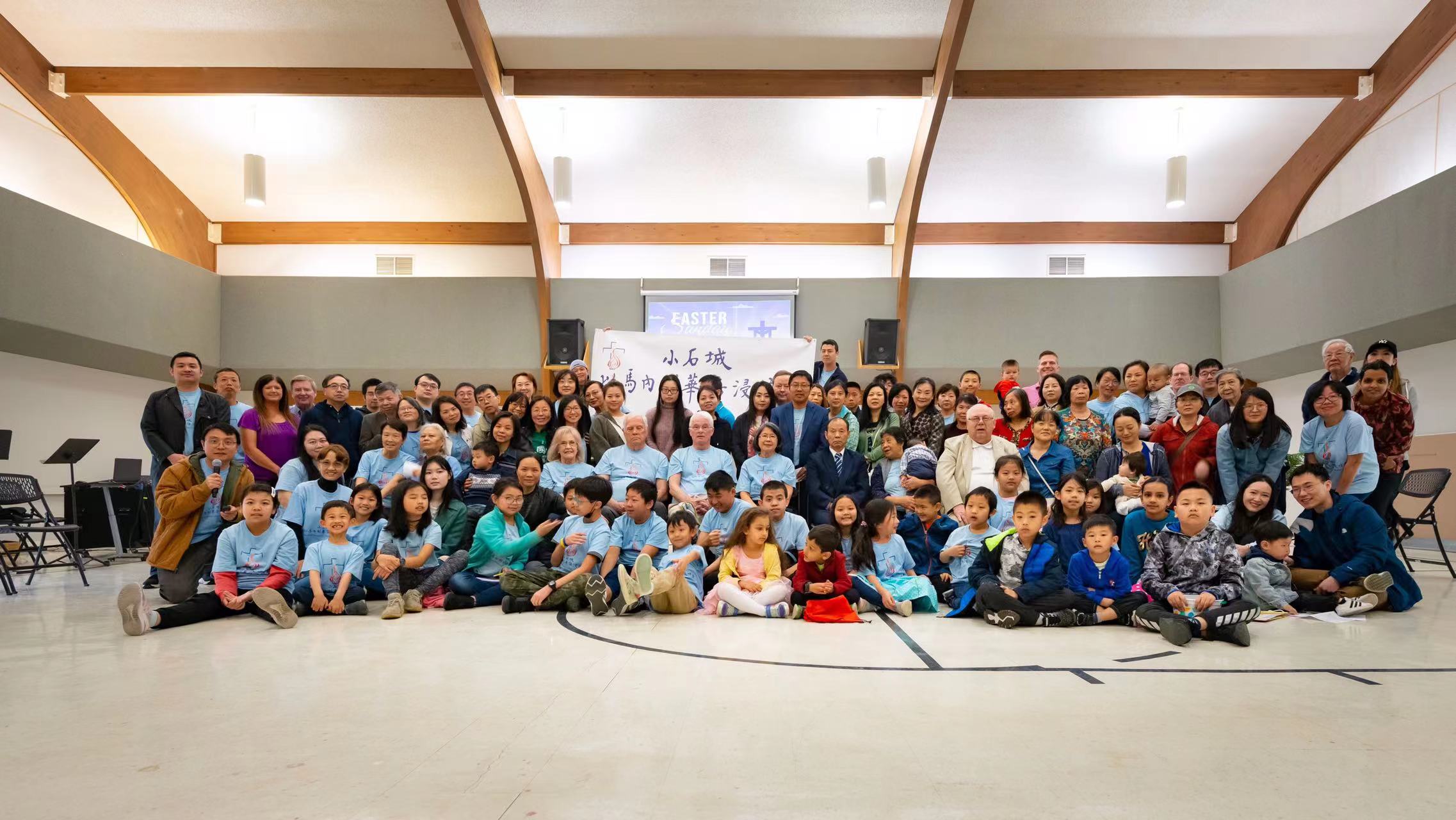

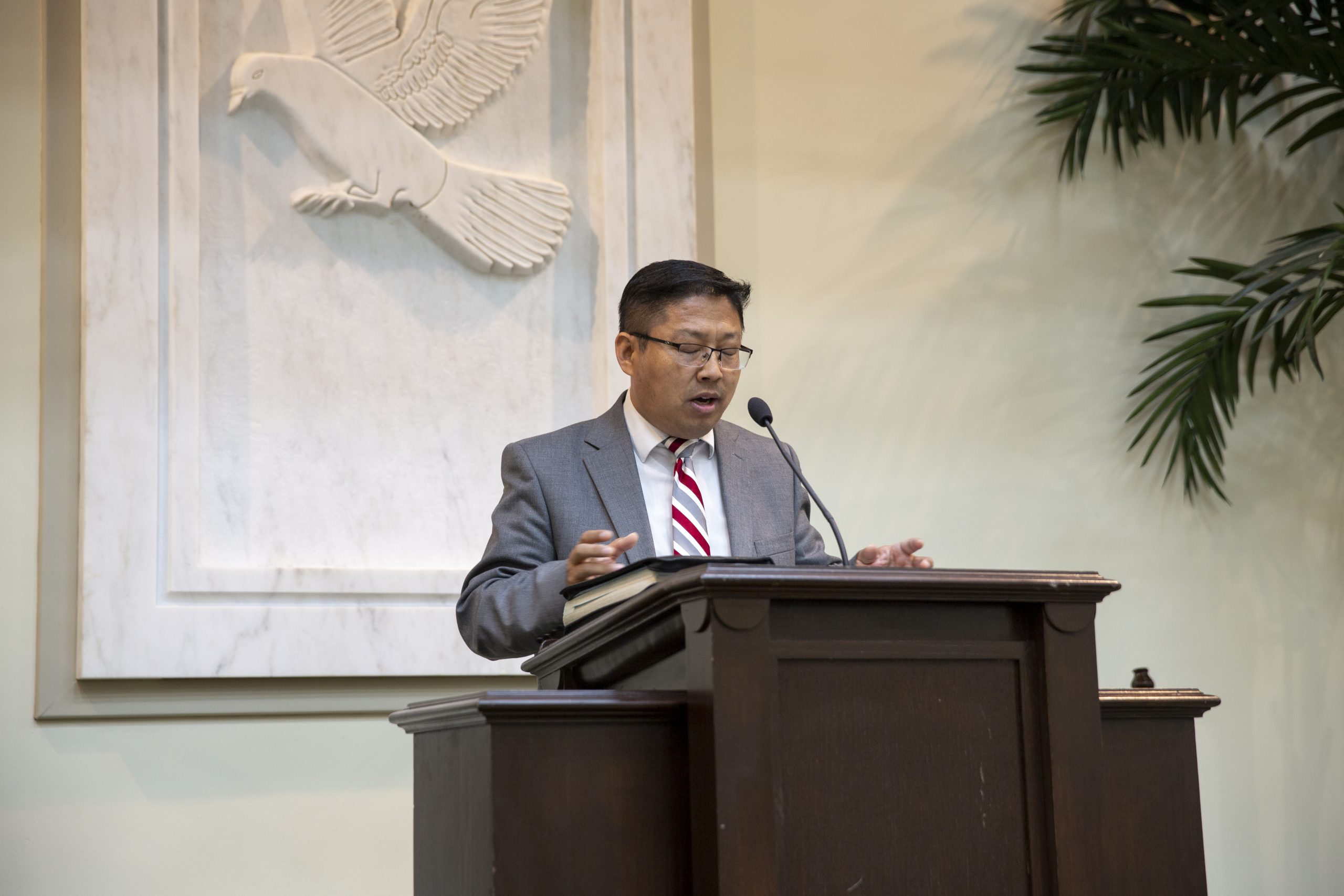
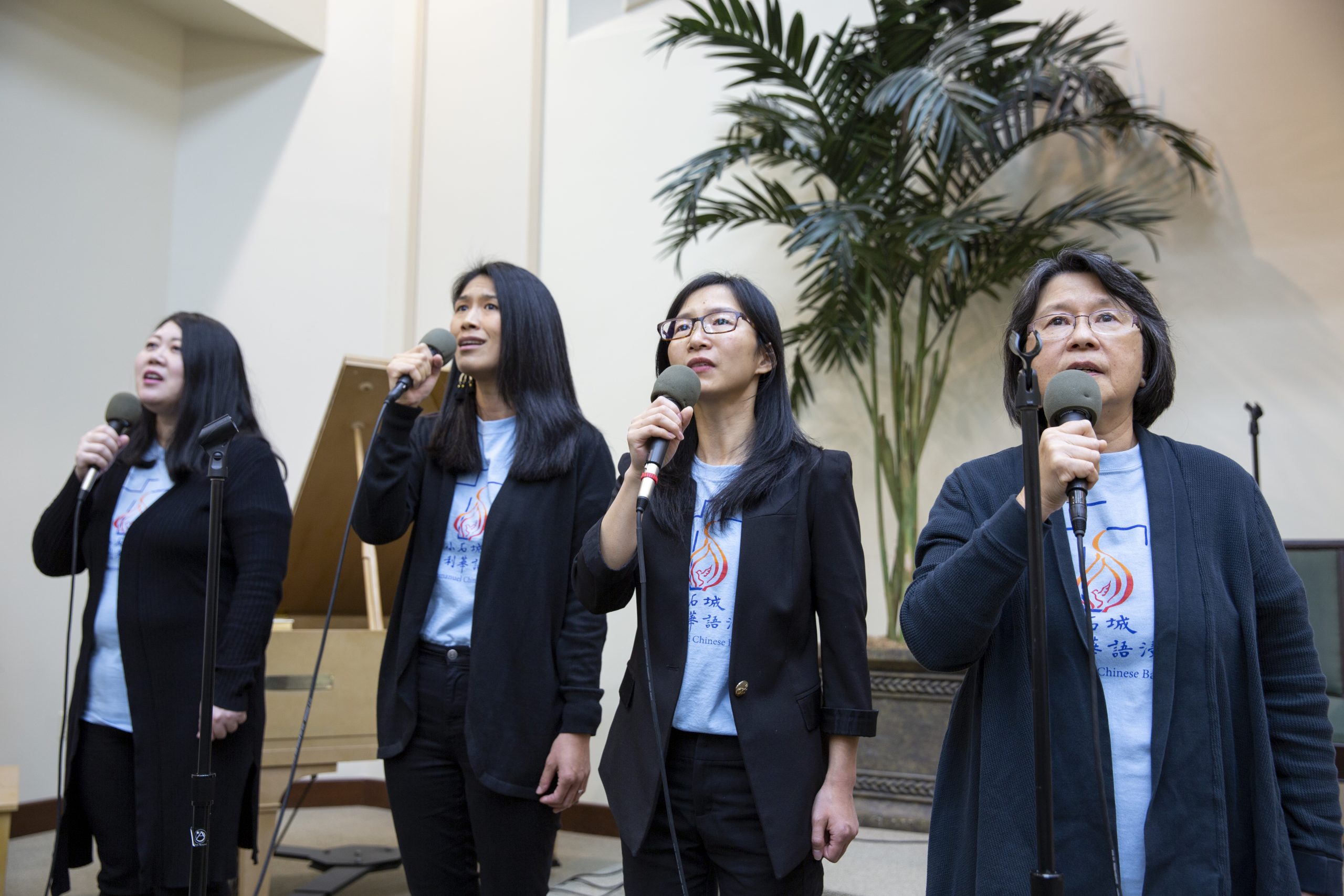
“城造在山上,是不能隐藏的”(马太福音5:14下)。我们祈祷,求主使用小石城以马内利华语浸信会,使“这座造在山上的城”能“如日头出现、光辉烈烈”(士师记5:31),在新时代中为主发大光,照亮周围的人,使荣耀归于上帝。
我们诚挚地邀请您来参加我们教会的各项活动!让我们一同认识主,在祂的愛里彼此搀扶,共走天路。以马内利!
 李春海牧师
李春海牧师
最新信息
7/6/25 牧者之言
探访林丽宏等
——回中国之旅随感之一
“我凡事给你们作榜样,叫你们知道,应当这样扶助软弱的人;又当记念主耶稣的话,说:‘施比受更为有福。’”(徒20:35)
“只是愿意我们记念穷人,这也是我本来热心去行的。”(加2:10)
感谢主的丰富恩典,在2025年暑假,为我预备了一个月的回国机会。临行前,我特别请弟兄姊妹为旅程代祷,其中一项祷告是:“愿我在旅途中,能遇见主所预备的人。”5月29日,当飞机即将抵达哈尔滨的那一刻,我心中祷告寻求主:“主啊,在这座城市,我该去见谁?”那一刻,一个名字清晰地浮现在我脑海中——林丽宏。
当天上午10:30,我和我母亲以及我女儿天心一起抵达哈尔滨机场。主的预备实在奇妙——我外甥在外地读研究生,原本没有计划当天回老家,但临时决定买票,也于上午11:30抵达同一机场。我们没有事先沟通,但神却奇妙地将我们的脚步安排在一起。对于九年未回国、对本地早已陌生的我而言,有熟门熟路的外甥做向导,真是再方便不过了。
下午两点,我们一同前往探访丽宏姊妹。
我认识林丽宏已经22年了。她比我年长两岁,出生时便没有双腿,行动全靠轮椅。2004年夏天,我在金陵协和神学院攻读研究生一年级时,曾和同校的徐建民弟兄(他当时是本科一年级)一同在暑期去探访她。徐弟兄曾在黑龙江哈尔滨万宝镇圣经学校就读三年,每个主日都把她背到自行车上,然后推着自行车带她去参加主日崇拜,风雨无阻。他毕业之后,圣经学校一批又一批神学生轮流肩负接送她去教会的任务。
那是我第一次见到丽宏。她苦难的命运,以及她坚定与宁静的生命,使我当晚彻夜难眠。她的经历让我联想到神子民共同的遭遇:“你使人坐车轧我们的头;我们经过水火,你却使我们到丰富之地”(诗篇66:12)。
丽宏的人生常让我想到一句西方谚语:“一个小女孩总是抱怨自己没有一双新鞋,直到有一天她遇见了一个没有脚的人。”丽红的生命深深教导我:不要为自己的境遇怨天尤人,而要心存感恩,知足常乐(提前6:6)。
当年她与她母亲同住,几年前她母亲离世后,她一个人生活在大哥家的八楼公寓。如今再次见面,她依旧平静安详。当我们走进她的小屋,她睁着大大的眼睛,闪闪发光,满是惊喜,也带着些许泪光。她仍坐在轮椅上,却能自如地在屋中穿梭。我问她:“你还祷告和读经吗?”她坚定而平静地回答:“每天都有。”
我又问:“还参加聚会吗?”她叹了口气说:“附近没有合适的教会,我只能偶尔参加网上微信群里的学习。”
我关切地问:“那些我们熟悉的老朋友们还来看你吗?”她轻声道:“很少联系了,只有几位偶尔来过。”
她把屋子收拾得整整齐齐。至于生活起居,她说:“我自己做饭,偶尔也叫外卖。当我们下楼时,门口有一道小门槛(或小台阶),轮椅不容易通过。我需要等到有人路过时请人帮我一下,才能过去。所以,我也很少出门。”
我们短短相聚一个小时,但这段宝贵的时间不仅触动了我,也影响了天心与外甥。这次探访让我们更深体会“施比受更为有福”的真理,也在下一代心中播种了关愛与怜恤的种子。
几天后,我在鹤岗老家,又与几位曾在黑龙江圣经学校毕业的学生重聚。我们的相聚唤起了他们拾回往事的夙愿。他们立刻决定一起重返母校,顺道再去探望丽宏姊妹,回顾当年主的恩典。
6月6日至7日,我转往南京,也特别去探望了曾在神学院时期常常照顾学生的两位阿姨。那时每逢新学期,她们总会带着牙膏、毛巾等生活用品来关怀神学生们。如今,一位阿姨刚动完心脏手术正在康复中,另一位则在照顾住院的丈夫。我和我的另一位同学为她们献上祷告,求主的怜悯与医治常与她们相伴。
回首这一路的探访之旅,我深深体会:许多曾在我生命中默默播种的信徒,是主特别赐下的恩典。他们虽然无名,却被神和人所纪念。他们用实际的愛心温暖了我,影响了我,使我学习了珍惜、感恩与回应。“受人滴水之恩,当以涌泉相报。”感恩,是属灵生命成熟的标志之一;探访,则是愛心的实践和恩典传递的工具之一。当我再一次注视丽红姊妹期许的眼神、再一次留意南京阿姨们脸上的微笑,再一次给她们一个温暖的拥抱时,我知道,这是主的安排,也是我们生命中一份无法抹去的托付。这份托付虽然简单,却不轻浮;虽然不会在人心中荡起巨大波澜,却可泛起一丝盼望的涟漪。那丝涟漪来自于约翰所说:“我们愛,因为神先愛我们”(约一4:19)的真实与厚重。
Visiting Lin Lihong & Others:
Reflections from My Homecoming Trip, Part One
“In everything I did, I showed you that by this kind of hard work we must help the weak, remembering the words the Lord Jesus himself said: ‘It is more blessed to give than to receive.’” (Acts 20:35)
“All they asked was that we should continue to remember the poor, the very thing I had been eager to do all along.” (Galatians 2:10)
I give thanks for the Lord’s abundant grace: in the summer of 2025, He prepared a month-long opportunity for me to return to China. Before departure, I especially asked brothers and sisters to pray—one key request being: “Lord, may I meet those You have prepared for me along this journey.” On May 29, as the plane was about to land in Harbin, I prayed in my heart: “Lord, whom should I go visit in this city?” In that moment, a familiar name came clearly to mind—Lin Lihong.
That morning at 10:30, my mother, my daughter Tiffany, and I arrived at Harbin airport. God’s providence was remarkable—my nephew, now studying graduate school away from home, hadn’t planned to travel back that day. But on a sudden decision, he bought a ticket and arrived at the same airport at 11:30. Without prior coordination, our paths crossed through God’s divine orchestration. For someone like me, who hadn’t returned to China in nine years and had almost no familiarity with this place, having my nephew as a guide was truly a blessing.
At 2 pm, we made our way to visit Sister Lihong.
I have known Lin Lihong for 22 years. She is two years older than I am, born without legs, relying entirely on a wheelchair. In the summer of 2004, when I was in my first year of graduate studies at Nanjing Union Theological Seminary, I went with Brother Xu Jianmin (then an undergrad) to visit her at the Harbin Wanbao Bible School. Xu once studied for three years at the Bible School in Wanbao Town, Harbin, Heilongjiang. Every Sunday, he would carry her onto a bicycle and then push the bike to take her to the Sunday worship service, regardless of what the weather was. After he graduated, one group of Bible school students after another took turns carrying on the responsibility of bringing her to church.
That was my first time meeting Lihong. Her suffering circumstances and her steadfast, calm faith moved me deeply, keeping me awake that night. Her life reminded me of the Lord’s people in Scripture: “You let men ride over my heads; we went through fire and water, but you brought us to a place of abundance.” (Psa 66:12)
Her life also recalls a Western proverb in my mind: “A little girl kept complaining she didn’t have a new pair of shoes until one day she met someone with no feet at all.” Lihong’s life taught me never to pity myself—but to live with gratitude and contentment—for godliness with contentment is great gain (1 Tim 6:6).
Back then, she lived with her mother. A few years ago, her mother passed away, and since then she’s been living alone in her older brother’s eighth-floor apartment. When I met her again this time, she remained peaceful and serene. As we entered her small apartment, her eyes were wide, bright with surprise, and there were tears in them. She still sat in her wheelchair yet moved freely about the room. I asked, “Do you still pray and read the Bible?” She replied firmly and calmly, “Every single day.”
I asked again, “Do you still attend gatherings?” She let out a sigh and said, “There’s no suitable church nearby. I can only occasionally join some Bible studies in a WeChat group.”
I continued, “Do the friends we used to know still come to see you?” She replied softly, “Not often—only a few come now and then.”
She had her place clean and tidy. When I asked about daily life, she said, “I cook for myself sometimes and get food delivery occasionally. But when I go downstair, there’s a little threshold (or step) at the doorway. The wheelchair can’t go over it easily. I have to wait for someone to pass by to help me. That’s why I rarely go out.”
Our visit lasted a mere hour, yet those sixty minutes were precious—not only did they impact me, but they also touched Tianxin and my nephew. That visitation helped us grasp more deeply what it means that “it is more blessed to give than to receive.” It planted seeds of compassion and care in the next generation from a young age in my daughter and my nephew’s life.
A few days later, back in my hometown of Hegang, I reunited with several graduates of the Harbin Bible School. Our time together stirred up their longing for the past—and they immediately decided to return to the old Wanbao school campus together and pay a second visit to Lihong, remembering God’s gracious work in those days.
From June 6 to 7, I traveled to Nanjing and made a special effort to visit two dear senior sisters who supported seminary students during my seminary years. At the start of each semester, they would often bring toothpaste, towels, and other small necessities to show their care for the students. Now, one has recently had open-heart surgery and is in recovery, while the other cares for her husband who is hospitalized. My classmate and I prayed fervently for their healing and for the Lord’s mercy to be with them.
Looking back on these visits, I deeply realize: the many saints who once sowed quietly into my life are gifts from the Lord. Though unnamed, they are remembered by God and cherished by people. Their love, expressed in everyday actions, warmed my heart and taught me to cherish, to be grateful, and to respond. Gratitude is a sign of spiritual maturity; visiting others is a way to practice love and pass along divine grace. This time when I observed Sister Lihong’s expectant eyes, when I saw the tender smiles on the faces of the Nanjing senior sisters, and when I give them a warm hug, I know—this is God’s arrangement. It is a burden and a responsibility laid upon my heart, one that cannot be erased. This burden may appear simple, yet it is not trivial. It may not stir great waves among people—but it can produce gentle ripples of hope in lonely hearts. Those ripples come from the truth and depth of John’s words: “We love because he first loved us” (1 John 4:19).
6/29/25 牧者之言
操练感恩五
阅读经文:腓立比书 4:8-9
如果你每天都操练感恩,你认为结果会是什么?
圣经应许,看见日常生活中的美好会带来平安。
“若有什么德行,若有什么称赞,这些事你们都要思念。你们在我身上所学习的、所领受的、所听见的、所看见的,这些事你们都要去行,赐平安的神就必与你们同在。”
(腓立比书 4:8-9)
医学研究也证实了感恩与心理健康之间的联系。当受试者每天写下三件好事(Seligman 等人,2005年)、保持感恩日记(Kerr, O’Donovan 和 Pepping, 2014年),或写感恩信给他人(Toepfer 等人,2012年),他们的焦虑、抑郁以及生活满意度都有所改善。
圣经和科学研究都证明,简单的感恩操练很有效。如果你想加深内心的平安和与神的关系,感恩是一个很好的起点。
操练:
回想过去一周,哪种感恩操练最能带给你平安?是每天觉察三件好事?是在困境中找到感恩?是感谢他人?还是用感恩取代比较?
无论哪种方式最有效,今天就开始操练吧。
制定未来计划:你如何将感恩操练融入日常生活?
祷告:
神啊,感谢祢赐给我的一切。请赐我一颗感恩的心,并让我与祢建立更深的关系。今日求祢赐我平安。阿们。
引自:https://zh-hant.theologyofwork.org/devotions/practicing-gratitude
Practicing Gratitude, Part 5
Scripture Reading: Philippians 4:8-9
If you practice gratitude every day, what do you think the result will be?
The Bible promises that seeing the good in daily life leads to peace.
“If there is any excellence and if there is anything worthy of praise, think about these things. Keep on doing the things that you have learned and received and heard and seen in me, and the God of peace will be with you.” (Philippians 4:8–9).
Medical studies confirm the link between gratitude and mental health. When test subjects wrote down three good things (Seligman et al., 2005), kept a gratitude journal (Kerr, O’Donovan, & Pepping, 2014), or wrote letters of gratitude to other people (Toepfer et al., 2012) all demonstrated improvements in levels of anxiety, depression, and life satisfaction.
The Bible and the scientific material both attest to the effectiveness of simple gratitude practices. If you want to deepen your level of peace and your relationship with God, gratitude is a great place to start.
Practice:
Reflect on the past week. Which practice of gratitude gave you the most peace? Was it noticing something good three times a day? Finding gratitude in something hard? Thanking another person? Replacing the urge to compare with gratitude for what you have right now?
Whichever discipline most helped you to experience gratitude, make that your practice today.
Make a plan for the future: How can you build a practice of gratitude into your daily life?
Prayer: God, thank you for all that you’ve given me. Please give me a grateful heart and a deeper relationship with you. Grant me peace today. Amen.
If you enjoyed this plan, find more plans from the Theology of Work Project at www.theologyofwork.org/devotions
Quote: Called To Work dcrandall-keeptouch.com@shared1.ccsend.com,Mon, Mar 17, 4:33 PM.
6/22/25 牧者之言
操练感恩四
阅读经文:诗篇 16:5-6,出埃及记 20:17
当你试图激起感恩的火焰时,“比较”就像一桶冷水把它浇熄。
“比较”意味着看着别人拥有的,然后衡量它比自己的是好还是差。这是如此危险,以致第十诫特别警告我们不要这样做:“不可贪恋人的房屋;也不可贪恋人的妻子、仆婢、牛驴,并他一切所有的。”(出埃及记 20:17)
“比较”会破坏两种关系:你与神的关系,以及你与他人的关系。当你嫉妒别人或试图胜过别人时,就无法完全地爱他们。同样地,当你认为神对你不公平时,也难以爱神。
当你忍不住拿自己与他人比较时,把这个念头转为感恩的祷告。诗篇第16篇是一个好例子:“耶和华是我的产业,是我杯中的分;我所得的,你为我持守。用绳量给我的地界,坐落在佳美之处;我的产业实在美好。”(诗篇 16:5-6)
诗人承认神是他一切供应的源头,并宣告神赐给他的一切都是美好的。这正是对抗“比较”的解药。
操练:
回想你上一次与别人比较自己或自己所拥有的是什么时候。
为那人所蒙的祝福感谢神。
为神赐给你的人生样貌感谢祂。
今天,当你发现自己在比较,列出神在这方面赐给你的祝福。
今晚睡前进行一次“比较盘点”:我是否嫉妒任何人?我是否需要对神说:“谢谢祢赐给我所拥有的一切”?
祷告:
神啊,感谢祢为我设下生活的边界。感谢祢赐给我所拥有的一切。求祢成为我对抗嫉妒和不满的见证。阿们。
引自:https://zh-hant.theologyofwork.org/devotions/practicing-gratitude
Practicing Gratitude, Part 4
Scripture Reading: Psalms 16:5-6, Exodus 20:17
When you’re trying to fan your flame of gratitude, comparison douses it like a bucket of ice water.
Comparison means looking at what someone else has and thinking about how much better or worse it is than what you have. It’s so dangerous that the 10th commandment warns against it. “You shall not covet your neighbor’s house; you shall not covet your neighbor’s wife, or male or female slave, or ox, or donkey, or anything that belongs to your neighbor” (Exodus 20:17).
Comparison sabotages two relationships at the same time: your relationship with God, and your relationship with other people. You can’t fully love others when you’re jealous of them or trying to outperform them. And you can’t love God when you think maybe God has given you a bad deal.
When you feel the urge to compare your lot in life with someone else’s, replace that thought with a prayer of gratitude. A good example comes from Psalm 16. “The LORD is my chosen portion and my cup; you hold my lot. The boundary lines have fallen for me in pleasant places; I have a goodly heritage.” (Psalm 16:5–6).
The writer of the psalm acknowledges God as the source of his provision. He declares that what God has given him is good. This is an antidote to comparison.
Practice:
Think about the last time you compared yourself to someone else or compared what you have to what someone else has.
Thank God for blessing that person.
Thank God for your lot in life – exactly the way it is right now.
Today when you notice yourself making a comparison, make a list of the good things that God has blessed you with in this area.
Before you go to bed tonight, do a comparison inventory. Ask yourself: Am I jealous of anyone else? Do I need to say “thank you, God” for what I have?
Prayer: God, thank you for setting boundaries around what is mine. I am grateful for the lot you’ve given me. Be my proof against envy and unhappiness. Amen.
Further Exploration: Read this reflection on loving other people without jealousy .
Quote: Called To Work dcrandall-keeptouch.com@shared1.ccsend.com,Mon, Mar 10, 9:06 AM
6/15/2025 父亲节牧者之言
天父的爱
杜嘉
“严父慈母”这是中国人再熟悉不过的对父母的描述。大多数中国人对父亲的印象都是严肃的,威严的,让人敬畏害怕的。心中无数次想奔向父亲的怀抱,好像奔向母亲的怀抱一样,但无数次都可能被一张无形的帐幕骤然阻挡,亲而不能相近,这是无数儿女心灵中难以释怀的创痛。
曾有一个中年妇人泪流满面地说着自己的故事:从有记忆开始,就完全没有被爸爸抱过的印象,爸爸近在眼前,却远在天边。直到有一次(都少年人了),她不小心踩了钉子,锥心之痛啊!这时,爸爸一手抱过她来,很焦急、很专注、很细心地清洗护理她的伤口。她感到无比幸福,希望钉子的伤口不要那么快痊愈,让爸爸可以再抱她一次……如果受伤能换取爸爸的关注和拥抱,她宁愿再次受伤!
这让人伤心的故事,多少都会在我们的心里引起共鸣。我们渴望父亲的爱,父亲的爱却不能完全满足我们心里的渴望。为什么呢?原来,父亲心里的渴望也没有被他的父亲完全满足啊!
可是,我们在天上的父亲,却能满足人类心灵深处一切的渴望!
“慈爱的天父”,这是基督徒每次祷告开头说的话,这是何等温暖亲切的称呼啊!原来,我们在天上有一位父亲,祂是慈爱的父亲,祂是伟大的父亲,祂是永远的父亲。
有人说,人的一生都在尽力取悦父亲,期望得着父亲的赞赏。但我们的天父却是天天巴望流浪在外的,破败不堪的儿子回家。圣经记载了一个浪子回家的故事,记载在路加福音第十五章。那个浪子拿了父亲的财产,离家出走,以为外面的世界很精彩,却发现外面的世界不但很无奈,而且很悲哀。于是,浪子怀着忐忑不安的心回家找父亲,想着,就算回家做父亲的雇工都很幸福。没想到,父亲一见到自己的儿子,二话不说,就张开怀抱,把这个心灵破碎的孩子紧紧地抱在怀里!连连地亲嘴(估计这浪子很久没有沐浴洗脸了,污秽臊臭);急急地把外袍披在孩子的身上,把戒指戴在孩子的手指上(这是尊贵身分的象征);快快地让仆人们预备丰盛的宴席,表达无比喜乐的心情,并让所有的人都一同高兴快乐!原来,我们不需要拼命地取悦天父,我们是天父的孩子,这就够了。神就是爱,天父本身就是爱,祂给予祂孩子们的,是完全的爱,是能够满足孩子们心灵一切需要的爱。
有人把父亲比作家里的银行,他负责养家糊口,培养孩子。有一首诗歌叫〈这是天父世界〉,歌词说到:“这是天父世界,我心满有安宁,树木花草,苍天碧海,述说天父全能。这是天父世界,小鸟长翅飞鸣,清晨明亮好花美丽,证明天理精深……”天父上帝是世界的创造主,天地万物都是祂的,祂毫不吝啬地都赐给我们了,并且在其中教导我们:野地的花,无比艳丽,那是天父给他们披上的彩衣,何况我们呢?不必为衣裳忧虑;天上的飞鸟,不种不收,天父上帝尚且养活他们,何况我们呢?不必为食物忧虑。天父上帝养活我们,并且赐给我们富足又不加上忧虑的福分。
这么伟大的天父上帝,对祂的孩子们却是无比的温柔慈爱,祂曾如此说:“你们要从中享受〔从中享受原文是咂〕;你们必蒙抱在肋旁,摇弄在膝上。母亲怎样安慰儿子,我就照样安慰你们。”(圣经以赛亚书66:12-13)咂?咂!这是亲嘴发出来的声音吧?抱在肋旁,摇弄在膝上,这是在逗乐吧?母亲怎样安慰儿子?足够的温柔细腻吧?这幅图画,温馨得令全人类都震惊了!
“慈爱的天父……”能够如此呼唤上帝的人有福了,因为他们必称为天父的孩子。
(引自金灯台活页刊第237期 2025年5月)
The Father’s Love
By Du Jia
“Strict father, gentle mother”—this is a description of parents that Chinese people are all too familiar with. Most Chinese associate fathers with seriousness, authority, and a sense of awe or fear. Countless times, children may long to run into their father’s arms just as they would their mother’s, but an invisible curtain often suddenly stops them. Close, yet unreachable—this is a lingering pain buried deep in the hearts of many sons and daughters.
There was once a middle-aged woman who tearfully told her story: ever since she could remember, she had no memory of being embraced by her father. Her father was physically near but emotionally distant. Until one time—as a teenager—she accidentally stepped on a nail. The pain was excruciating! Her father immediately scooped her up in his arms, anxiously, attentively, and carefully cleaning and treating her wound. She felt an overwhelming sense of happiness and secretly wished that the wound wouldn’t heal so quickly—so that her father might hold her just once more. If getting hurt could win her father’s attention and embrace, she would rather be hurt again!
This heartbreaking story resonates with many of us. We long for a father’s love, yet find it unable to fully satisfy the deep hunger of our hearts. Why? Because our fathers themselves never fully received the love they needed from their own fathers.
But our Heavenly Father—He alone can satisfy the deepest longings of the human soul!
“Loving Heavenly Father”—this is how Christians often begin their prayers. What a warm and tender address! It turns out we have a Father in heaven—He is a loving Father, a great Father, and an everlasting Father.
Someone once said, a person spends their whole life trying to win their father’s approval, hoping to gain his affirmation. But our Heavenly Father is the one who is daily longing for His wandering, broken children to come home. The Bible tells the story of the prodigal son in Luke 15. The son took his father’s inheritance and ran off, thinking the world outside was exciting. But he soon found it disappointing, even miserable. So the prodigal returned home with a heart full of fear and uncertainty, thinking, “Even if I can only be my father’s hired servant, it would be enough.” But as soon as the father saw him, he ran toward him, wrapped him in a warm embrace, and kissed him repeatedly (even though the son hadn’t likely bathed in a long time and probably smelled awful). The father hurried to put the best robe on him, a ring on his finger (a sign of honor and sonship), and ordered a feast to celebrate, calling everyone to rejoice together!
It turns out, we don’t need to try hard to please the Heavenly Father. We are His children—that’s enough. God is love. The Father Himself is love. What He gives His children is perfect love—love that fully satisfies every need of the human heart.
Some people compare a father to the “bank of the household,” responsible for providing and educating. There’s a hymn called This Is My Father’s World. One stanza goes:
This is my Father’s world; Oh, let me ne’er forget,
That though the wrong seems oft so strong, God is the ruler yet.
This is my Father’s world: The birds their carols raise,
The morning light, the lily white, declare their Maker’s praise…
God the Father is the Creator of the world—everything in heaven and earth belongs to Him, and He generously gives it to us. Through all of it, He teaches us: the flowers of the field are arrayed in splendor—God clothes them. How much more will He care for us? We need not worry about clothing. The birds of the air neither sow nor reap, yet the Father feeds them—how much more will He provide for us? We need not worry about food. God our Father provides for us and grants us blessings that are abundant and free from sorrow.
Such a great Heavenly Father deals with His children with immeasurable tenderness and love. He once said,
“You will nurse and be carried on her arm and dandled on her knees.
As a mother comforts her child, so will I comfort you.”
(Isaiah 66:12–13)
“Nurse”? The original Hebrew word suggests the sound of a kiss. To be carried on the hip, to be bounced on the knees—this is playful joy! “As a mother comforts her child”—such gentle intimacy! This picture is so warm and tender it astonishes all humanity.
“Loving Heavenly Father…” How blessed are those who can call God by this name, for they shall be called children of the Father.
(From Golden Lampstand Leaflet, Issue 237, May 2025)
历史归档
- January 2026 (5)
- December 2025 (3)
- November 2025 (5)
- October 2025 (4)
- September 2025 (4)
- August 2025 (4)
- July 2025 (4)
- June 2025 (4)
- May 2025 (5)
- April 2025 (5)
- March 2025 (5)
- February 2025 (4)
- January 2025 (4)
- December 2024 (5)
- November 2024 (5)
- October 2024 (4)
- September 2024 (4)
- August 2024 (5)
- July 2024 (4)
- June 2024 (5)
- May 2024 (4)
- April 2024 (4)
- March 2024 (7)
- February 2024 (5)
- January 2024 (4)
- December 2023 (8)
- November 2023 (10)
- October 2023 (6)
- September 2023 (4)
- August 2023 (5)
- July 2023 (6)
- June 2023 (6)
- May 2023 (4)
- April 2023 (13)
- March 2023 (4)
- February 2023 (4)
- January 2023 (7)
- December 2022 (14)
- November 2022 (4)
- October 2022 (2)
- September 2022 (8)
- August 2022 (5)
- July 2022 (6)
- June 2022 (7)
- May 2022 (5)
- April 2022 (12)
- March 2022 (6)
- February 2022 (5)
- January 2022 (8)
- December 2021 (8)
- November 2021 (4)
- October 2021 (3)
- January 2019 (1)