

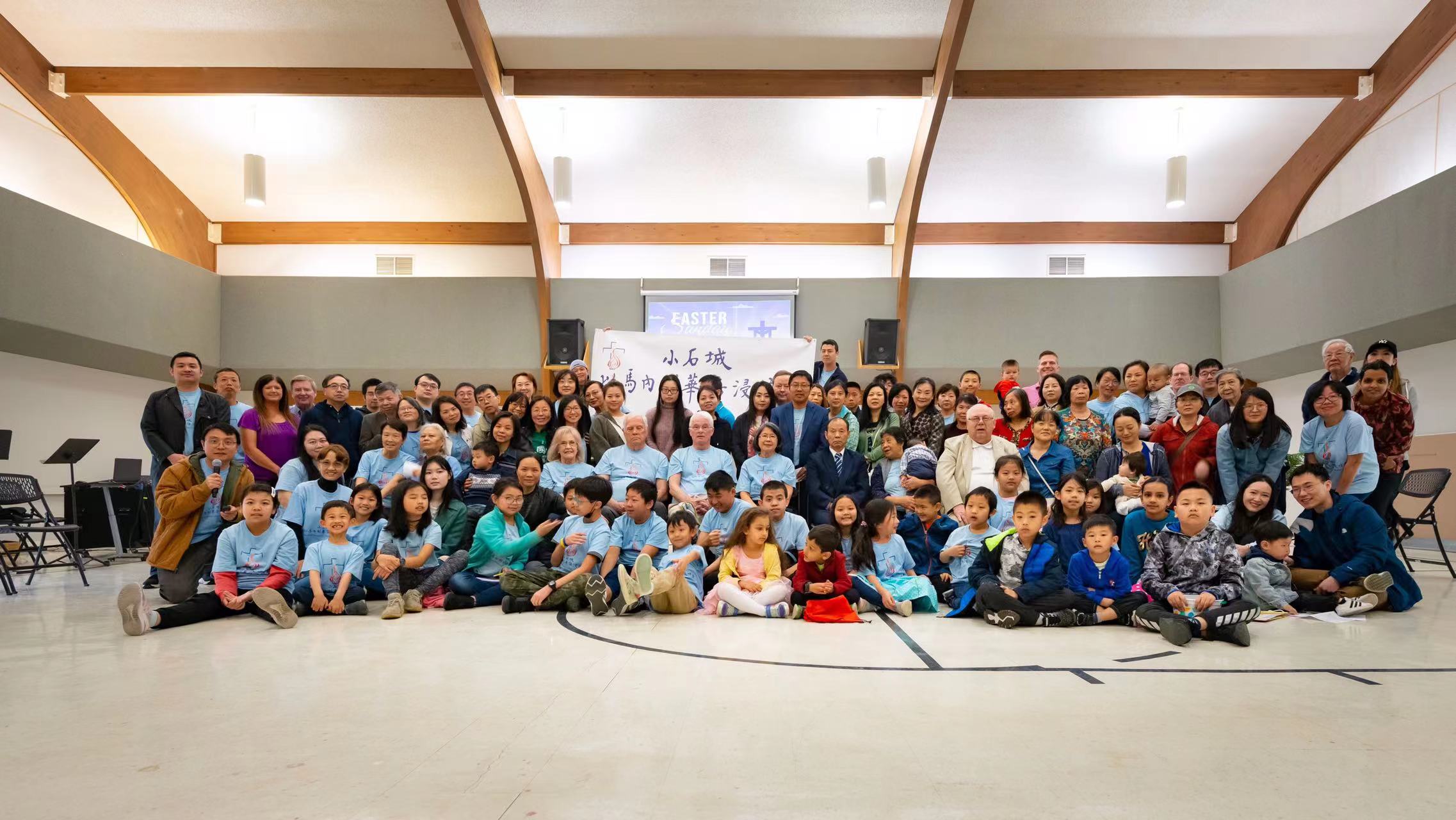

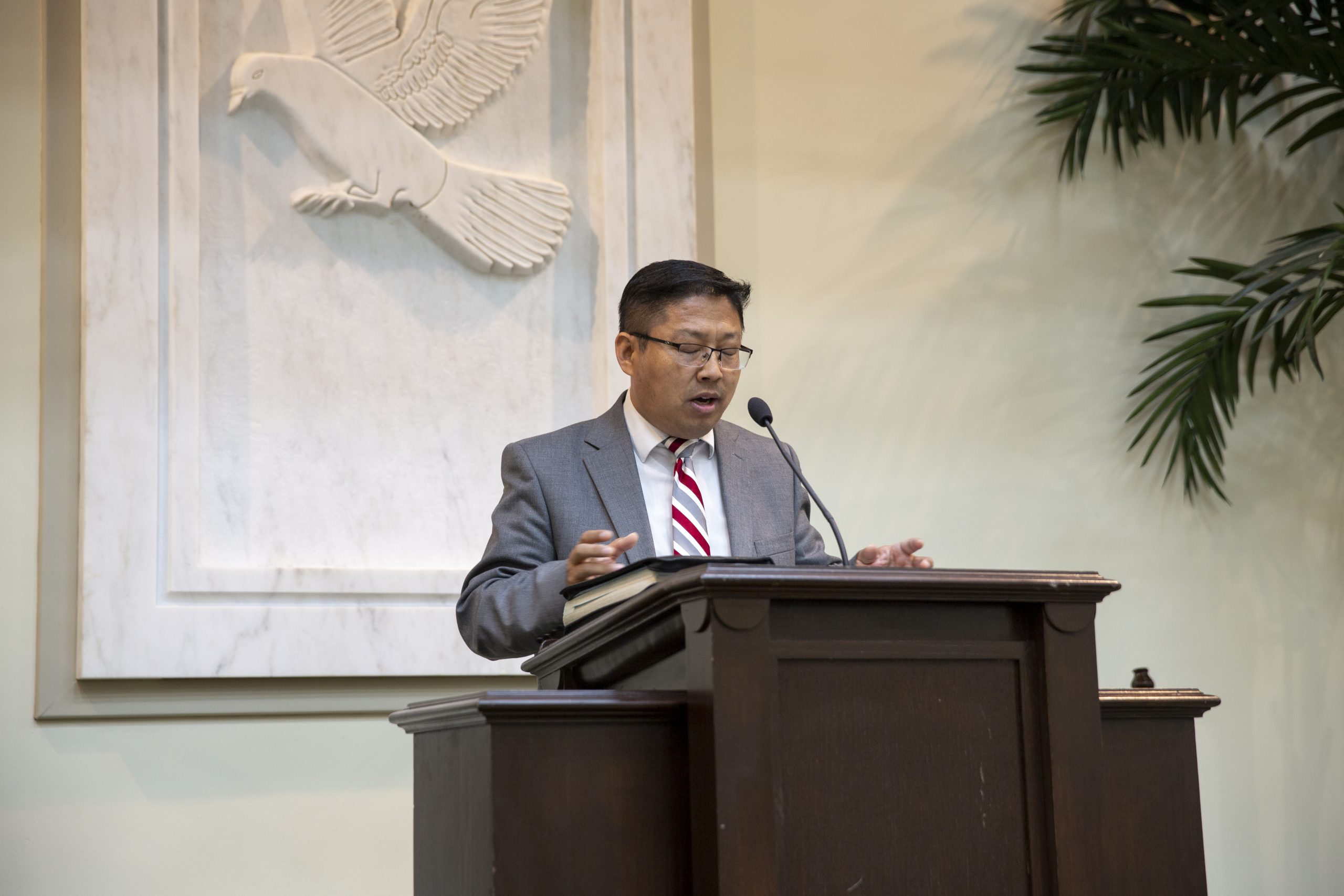
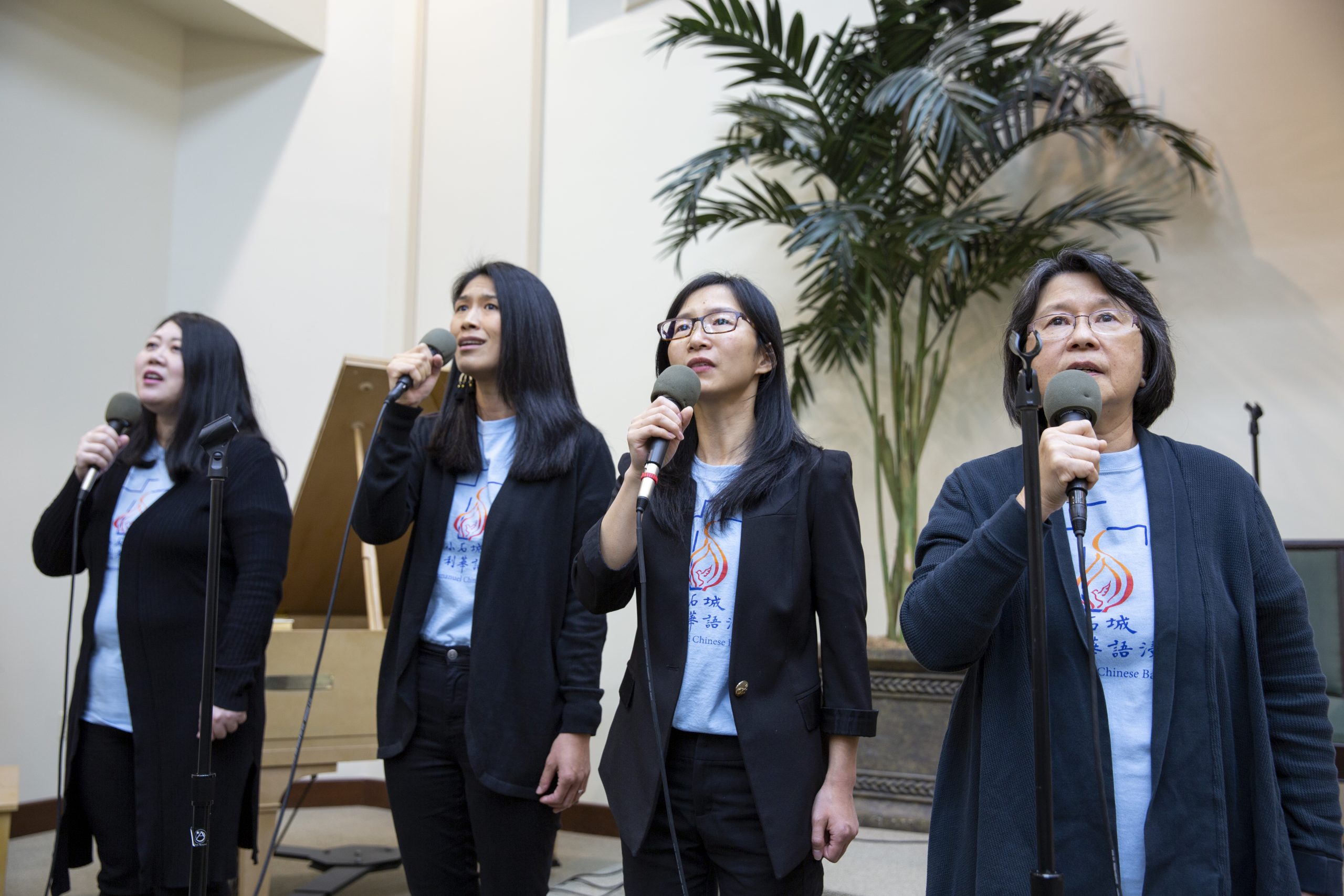
“城造在山上,是不能隐藏的”(马太福音5:14下)。我们祈祷,求主使用小石城以马内利华语浸信会,使“这座造在山上的城”能“如日头出现、光辉烈烈”(士师记5:31),在新时代中为主发大光,照亮周围的人,使荣耀归于上帝。
我们诚挚地邀请您来参加我们教会的各项活动!让我们一同认识主,在祂的愛里彼此搀扶,共走天路。以马内利!
 李春海牧师
李春海牧师
最新信息
9/7/25 牧者之言
初谈宋尚节
(接上文)确定研究方向
一位好老师可以影响人一生。我的导师马太·麦凯勒博士(Dr. Matthew McKellar)是一位牧者型学者。他将三十多年的牧会经验带到课堂上。[1] 当我在课堂上分享说要研究宋尚节时,他对此给予肯定,并向我介绍说他从前在西南神学院毕业的学生Dr. Philip Koo就曾经研究过宋尚节。在读博士期间,我曾考虑是否要换一个题目,麦凯勒博士则不断鼓励我要集中在这个题目上,不要轻易更换。毫无疑问,麦凯勒博士在这一点上是正确的。
试想,如果我选一个西方布道家或神学家,比如奥古斯丁、司布真、钟马田进行研究,我或许也可以写出合格的论文交给教授,然而这些伟大的基督徒对我的处境有多大的实践意义?我如何在文化层面与他们的思想产生共鸣呢?更深理解这些人的思想对中国教会、海外华人教会及我个人的事奉会带来多少启发呢?宋尚节则不同,他是一位曾留学美国的中国布道家。研究宋尚节是圣灵对我的感动,并且研究这位中国的布道家一定会对我的灵魂产生巨大的冲击和影响,使我可以透过圣灵跨越近一百年的历史长河与这位属灵前辈隔空对话,从而碰撞出真理的火花、圣洁的热情以及教会实践的智慧。
确定博士论文的研究方向从来都不是一件容易的事。如果把整个写作过程比作穿越一片茂密丛林,那么研究方向就好比探险者出发前所选择的小径。方向一旦正确,旅程将更加顺利;若是选择失误,则极易误入歧途,越走越艰难,甚至可能前功尽弃。在这一关键抉择上,麦凯勒博士根据我的兴趣点为我提供了两个思路:其一,探讨宋尚节寓意解经的特点及其当代意义;其二,评估奥利金对宋尚节寓意解经的影响。与此同时,另一位长期研究宋尚节的学者、作家施玮[2]则建议我从“处境化”的角度切入,来理解宋尚节的讲道及它的实践意义。她指出,这样的视角不仅能把握宋尚节整个传道思路的主线,也能更好地厘清其讲道与文化背景之间的互动,并且这个研究方向和成果会祝福教会。感谢上帝的带领,“处境化”这个词如同一把钥匙,为我开启了走向这片学术丛林的路径。
1885年,英国圣公会差会(Church Missionary Society)差派到福建的宣教士爱德温·约书亚·杜克斯(Edwin Joshua Dukes)写道:
“一个人若要像中国人一样思考,就必须自己是中国人;他必须使用中国的比喻、中国的典故和中国的语言,才能使公开演讲真正有效……外国人的嘴巴实在无法说服中国人……中国所需要的不是成千上万的英国人或美国人,而是成千上万、乃至数以万计拥有奉献的口与心的中国人。中国所需要的不是那么多学者,而是有担当的人;若学者的身份附加在这样的人身上,自然是极好的,但最根本需要的是‘人’——勇敢的、真诚的、奉献的、能独立站立的人……现在是寻找中国使徒的时候了。但他的来临迹象尚未显明。当这位使徒来到时,他必是中国人,而不是外国人。他会从神学院出来吗?还是会如同神的使者常常那样,从一些出人意料的地方兴起?我们无法知道;我们只能祈祷他快快来到!并愿他像旷野的施洗约翰一样震动整个民族!”[3]
1901年9月27日,宋尚节诞生于福建省兴化县(今天的莆田),他被誉为“中国的使徒”。他以中国人的文化与方式,向同胞传讲福音、阐释真理。作为早期赴美留学后归国的布道家,他始终流淌着深厚的中华血脉。因此,在属灵的层面上,他与我——一位生于中国、现于美国牧养华人教会的人——产生了遥相呼应的共鸣。圣灵藉此启示我,使我更深体会到:福音并非游离于文化之外,而是能够进入不同处境,被人真实地理解与接受,从而更有力地传递给中国人,乃至普世万民。
(未完待续)
[1]马太·麦凯勒博士是一位优秀神学教授的好榜样,他以基督的生命来服侍学生,真诚关怀每一位学子。他认真对待每一份作业与研究论文。为了帮助学生提升写作水平,他甚至会亲自打电话,一对一地花上一个小时耐心指导。从标题、主旨、大纲,到具体内容,乃至每一个标点符号,他都细致入微地提出宝贵的修改建议。
[2] 施玮著有《献祭者——宋尚节传》(The Sacrifice: John Sung)等书籍。
[3] Edwin Joshua Dukes, Everyday Life in China: on Scenes Along River and Road in Fuh-kien (London: The Religious Tract Society, 1885), 240.
8/31/25 牧者之言
初谈宋尚节
宋尚节(John Sung, 1901–1944)是20世纪上半叶最有影响力的中国布道家,被誉为“中国的布道王”。他的布道对中国教会和海外华人教会产生了深远影响。
第一次听到宋尚节这个名字,是我1998年夏天参加鹤岗市教会举办的义工培训班上。有一位叫贾兰菊的神学生在“讲道法”那门课上提到宋尚节的讲道很有特点,比如:宋尚节会把棺材带到现场,告诉人要及早悔改信耶稣。又比如:当宋尚节讲乃缦得医治(王下第5章)时,他当场从讲台上跳下去、再上来7次,用以表达乃缦到约旦河里沐浴7回。这是我对宋尚节的初步印象:一位讲道方式灵活的传道人。
在南京神学院读书期间,老师和同学偶尔会谈到宋尚节,然而他的形象在我心中若隐若现,并不明晰。 在2003年南京神学院读研究生时,陈泽民副院长(1917年10月15日—2018年10月15日)上课时见证:我小时候在宋尚节布道会上决志信了耶稣。“基督时报”上也记录过这件事:
“一篇报道记载,1931年宋尚节在汕头伯特利教堂举办布道会,此时年仅14岁的陈泽民被深深震撼——‘他的眼睛和视野被扩大了’,他‘开始第一次看到一个中国人,以中国化的方式宣讲福音所能彰显的能量’,这段经历对他的一生产生了重大影响,从此萌生了尽快成为全职传道人的念头”。
陈副院长学识渊博,对神学各家各派的思想也颇为熟悉。尽管他后来的神学路线倾向于自由主义神学,但他对宋尚节却心存敬意。
- 为何研究宋尚节?
43岁这个年龄将宋尚节和我联系起来。宋尚节43岁被主接走;我43岁做了开胸手术,生命得到更新和复兴。
我自幼患有先天性心脏病,15岁时因心衰开始寻求信仰,受圣灵感动,认罪悔改,接受耶稣基督为救主,并将一生奉献给福音事工。主奇妙地保守医治我活了下来。2020年2月13日的开胸手术后,我再次将自己奉献于主。作者是阿尔伯特·本杰明·辛普森(Albert Benjamin Simpson, 1843–1919)所唱:“前要的是祝福,今要主自己,前要的是医治,今要主而已;前我贪求恩赐,今要赐恩者;前我寻求能力,今要全能者”。
术后修养康复期间正值疫情肆虐、闭门不出时,我听到完整的宋尚节见证。 他的见证点燃了我祈祷的火焰和圣洁的热忱。宋尚节27岁在美国获得化学博士学位后,因受主呼召毅然决然地返回中国,并在横渡太平洋、临近中国海岸时,他将象征世上荣耀和身份证明的盒子和金钥匙抛掷到大海,宣告自己彻底向世界死、向基督活。想到这些使我心潮澎湃,巴不得自己也能爱主不顾一切。
宋尚节的布道像使徒保罗那样大有能力。他的布道使一个个灵魂获得救赎,脱离罪恶,甚至经历大神迹、大医治。愿主在二十一世纪想起更多大有能力的工人,在这黑暗的时代唤醒一个个将死的灵魂,使更多人经历救主死里复活的救恩。
宋尚节英年早逝。他在43岁完成主所托付的使命后被主接走。圣灵借着他的死更多唤醒我灵性上的觉醒。主说:“我实实在在地告诉你们,一粒麦子若不落在地里死了,仍旧是一粒;若是死了,就结出许多子粒来”(约12:24)。若不死后不能生。经历心脏大手术死里复生的我,在今后的日子里怎能再苟且偷生、为自己而活呢?
王明道称:宋尚节是中国近代历史上中国教会的“铁柱子”。宋尚节的见证让我流泪。一日在小区作晨祷时,圣灵感动我博士论文要研究宋尚节。我的祈祷是,愿我的研究不仅是知识上的探讨,更是灵性上的进深!愿感动宋尚节的灵加倍地感动更多神所呼召的仆人!
- 宣教学课
2022年秋天,我修一门宣教学课程。Dr. Dean Sieberhagen教授建议我,如果要研究宋尚节,必须要从教会历史的角度先探索宋尚节之前他的老家福建省的传教史。当时我的学期论文题目是:“这人撒种,那人收割:探索宋尚节之前中国福建的新教宣教历史”( “One Sows and Another Reaps”: Exploring the Protestant Missions History in Fujian China before John Sung’s Ministry)。关于这方面的资料很难找。时间短,任务重,在一个半月内写出一篇25页的学术性文章并非易事。我恒切祷告,求主带领。很奇妙,主预备我在网上认识了Dr. Bill Brown教授。我写邮件向他寻求帮助,他第二天就把大量早期去福建的宣教士及相关材料发邮件给我,并在邮件中说:
“我还有两篇关于他(宋尚节)的传记,并且采访过一位中国的年长弟兄和一位姊妹。他们在孩提时代曾参加过宋博士在鼓浪屿的聚会,至今仍清晰记得当时许多人不喜欢他,但他们亲眼看见一位校长的儿子——自出生起就瘸腿——被人推着上台,却当场得了医治,走下台来。整个鼓浪屿为之轰动。我本人是个非常怀疑的人,尤其是在电视上看到那么多的欺骗(保罗的时代也同样如此),但听他们如此生动的分享,真是一个祝福。”
(未完待续)
An Initial Reflection on John Sung
John Sung (1901–1944) was the most influential Chinese evangelist in the first half of the 20th century, hailed as the “Evangelist King of China.” His preaching had a profound impact on the Chinese church and the overseas Chinese church.
The first time I heard the name John Sung was in the summer of 1998, when I attended a Christian volunteer training program held by the church in Hegang City. A seminary student named Jia Lanjü mentioned in the “Preaching” class that John Sung’s preaching had some very unique features. For example, Sung would bring a coffin to the site, telling people to repent and believe in Jesus right away. Another example: when he preached on Naaman’s healing (2 Kings 5), he would actually jump down from the pulpit and climb back up seven times, to demonstrate Naaman dipping himself seven times in the Jordan River. This was my first impression of John Sung: a preacher with a very flexible style of delivering sermons.
During my studies at Nanjing Theological Seminary, teachers and classmates would occasionally talk about John Sung, but his image in my mind was vague and indistinct. In 2003, while I was a graduate student at Nanjing Union Theological Seminary, Vice President Chen Zemin (October 15, 1917 – October 15, 2018) testified in class: “When I was a child, I made a decision for Christ at one of John Sung’s revival meetings.” Christian Times also recorded this event:
“A report noted that in 1931, John Sung held revival meetings at the Bethel Church in Shantou. At that time, 14-year-old Chen Zemin was deeply moved— ‘his eyes and vision were broadened,’ and he ‘for the first time saw how a Chinese person, preaching the gospel in a Chinese way, could display such power.’ This experience had a significant impact on his whole life, and from then on, he developed the desire to quickly become a full-time preacher.”
Vice President Chen was very learned and familiar with the thoughts of different theological traditions. Although his later theological orientation leaned toward liberal theology, he nevertheless held John Sung in high respect.
Why Study John Sung?
The age of 43 connects John Sung and me. John Sung was taken by the Lord at the age of 43; I, at 43, underwent open-heart surgery, through which my life was renewed and revived.
I was born with congenital heart disease, and at the age of 15, because of heart failure, I began to seek faith. Moved by the Holy Spirit, I confessed my sins, repented, accepted Jesus Christ as my Savior, and dedicated my life to the gospel ministry. The Lord wonderfully preserved and healed me so that I survived. After my open-heart surgery on February 13, 2020, once again, I dedicated myself to the Lord. As American pastor and hymn writer Albert Benjamin Simpson (1843-1919) sang:
“Once it was the blessing, now it is the Lord; once it was the feeling, now it is His Word;
once His gift I wanted, now, the Giver own; once I sought for healing, now Himself alone.”
During my post-surgery recovery, which coincided with the COVID-19 pandemic lockdown, I heard the full testimony of John Sung. His testimony ignited in me the fire of prayer and a holy passion. At the age of 27, after earning a Ph.D. in chemistry in the United States, Sung, compelled by the Lord’s call, resolutely returned to China. While crossing the Pacific Ocean and nearing the Chinese coast, he threw into the sea the box and golden key that symbolized worldly glory and his identity credentials, declaring that he had died completely to the world and now lived only to Christ. Thinking of this stirred my heart greatly, making me long to also love the Lord without holding anything back.
John Sung’s preaching was powerful, like that of the Apostle Paul. His messages brought salvation to souls, delivered them from sin, and were accompanied by great signs and healings. May the Lord in the 21st century raise up more mighty workers, awakening dying souls in this dark age, so that more people may experience the salvation of the risen Lord.
John Sung died young. At the age of 43, having completed the mission entrusted to him, he was taken by the Lord. Through his death, the Holy Spirit further awakened me spiritually. The Lord said: “Very truly I tell you, unless a kernel of wheat falls to the ground and dies, it remains only a single seed. But if it dies, it produces many seeds” (John 12:24). Without dying, there can be no life. Having experienced death and resurrection through open-heart surgery, how could I in the days ahead live carelessly for myself again?
Wang Mingdao once called John Sung the “iron pillar” of the modern Chinese church in China’s recent history. John Sung’s testimony moved me to tears. One morning during my neighborhood prayer walk, the Holy Spirit impressed upon me that my doctoral dissertation should focus on John Sung. My prayer is that my research will not only be an academic exploration but also a deepening of my spiritual life! May the Spirit that moved John Sung also move, in double measure, more servants whom God has called!
Mission Class
In the autumn of 2022, I took a course in mission. Professor Dr. Dean Sieberhagen suggested that if I wanted to study John Sung, I must first explore, from the perspective of church history, the history of missions in his home province of Fujian before his ministry. At that time, my term paper was titled: “One Sows and Another Reaps: Exploring the Protestant Missions History in Fujian China before John Sung’s Ministry.” It was very difficult to find materials on this topic. With little time and heavy workload, producing a 25-page academic paper in just one and a half months was not easy. I prayed earnestly, asking the Lord for guidance. Miraculously, the Lord prepared for me to meet Professor Dr. Bill Brown online. I wrote him an email seeking help, and the next day he sent me a large amount of material on early missionaries to Fujian, as well as related resources. In his email he also said:
“I’m glad to hear you are writing about John Sung. I have the very large volume of his diaries, which were thought to be lost. I also have two bios about him, and I interviewed an elderly Chinese brother and sister who attended his meetings on Gulangyu Islet when they were children, and remember vividly how he was disliked by many, but they saw the son of a school principal who had been lame since birth wheeled on stage, and then healed and walk off. The entire island was abuzz. I’m a very skeptical person, after so much fraud on TV (and in Paul’s day as well), but it was a blessing to hear them both share so vividly.”
(to be continued)
8/24/25 牧者之言
回忆赵证耶老牧师
沈师母的见证
一位好的牧者会对人的生命产生巨大影响。在回忆盲人基督徒刘瑞英老人[1]的同时,我又想起了另一位老人,他叫赵证耶牧师。“证”是见证的“证”,“耶”是耶稣的“耶”,他的名字合在一起就是“为耶稣作见证”的意思。他曾经和一位叫李文光的长老(他在中国教会历史上曾有记载)一起服过刑。他们都是那年为了主的缘故,在同一个监狱里服刑。好像是在上个世纪1950年代,我们家乡那边有好多老人都进过监狱,包括我公公沈牧师的父亲,但他是平信徒,只判了一年就回来了。
赵老牧师1914年出生,2006年9月30日被主接走,享年92岁。自从79年4月19日他来到我们家,我接触到他,让他做一个信主的见证。他当时怎么讲的,记得不太清楚了,但大概的情形是这样的:他大约14岁的时候,在长春的街头第一次接触福音。当时有人在街上传福音,场面有点儿像玩儿式的[2],有人弹琴,有人拉手风琴,带着孩子们唱歌。赵牧师自己很喜欢音乐,就被吸引过去了。那时他被苏联恩(曾在金陵协和神学院任教)的爷爷看见了,就亲切地招呼他说:“进来吧!进来吧!”于是他便跟着小孩子们一起参加了聚会。也就是在那时,他开始接受福音,心里被触动,信了主。他家境比较困难。他常常跑去参加聚会、唱诗歌,家里的一些事就顾不上做了。他奶奶对他很不满,不给他饭吃,还拿“烟袋锅子”(东北方言,指的是一种传统的长烟管,用来抽烟,形状像一个小烟袋,通常是木头或竹子做的)拦着他,不让他出去。但他依然偷偷地往外跑,坚持去聚会敬拜主。他的见证感动了我。赵牧师觉得我这个人挺实在的,心直口快。他在我身上下了很大的功夫,对我在信仰上的成长关怀备至。这么多年我们和他及他的家人一直保持着联系。
1979年初,在邓小平历史性访美期间,美国总统吉米·卡特(Jimmy Carter)与这位中国领导人就中国的宗教自由进行了私下交谈。卡特提出了三个具体请求:
- 保障宗教信仰自由:卡特强调,应允许中国公民公开实践自己的信仰。
- 允许圣经发行:他建议中国政府允许在国内印刷和分发圣经。
- 重新开放教会:卡特提议中国重新开放在文化大革命期间关闭的基督教教会。
邓小平回应说:“你的三个问题太难,请允许我今晚考虑一下”。第二天,邓小平则向卡特承诺对前两个请求表示肯定,他说:“我们会在中国重新开放教会”,“我们会在中国印刷圣经”。然而,他拒绝了允许外国传教士进入中国的提议,解释说中国的教会必须由中国自己的领袖来带领,但他欢迎外国人到中国教英文或进行医疗互访等。[3] 改革开放后在新中国印刷的第一批圣经是邓小平亲自用他军委主席的经费支持的[4]。这次交流决定和标志着中国基督教发展的历史性新阶段!这也是多年来上帝对海内外所有弟兄姐妹为中国教会能尽早获得自由坚持不懈祈祷的回应!
赵证耶读过神学。在中国教会开门那年——1979年4月19日,他第一个在我们县里得到通知:《告全国主内弟兄姊妹书》。这个通知是关于允许教会开门的。他带他的女儿、女婿,还有其余的弟兄到我们家送这个通知。从那天开始,教会在我们家恢复聚会了。当时信主的人主要是老年人,也有两位年轻人,一位是张兴牧师,他于82年考入东北神学院,成为那里的第一届学生。另一位是沈牧师,他于81年入南京金陵协和神学院。
我认识的这些老人,只要去我们古城堡,就都会去看望这位刘瑞英老姊妹。如果他们要住下,就把老姊妹带过来,在我们家住,在我们家交通。那个时候,那一代人,在他们身上看到了很多主内弟兄姊妹真正相爱的光景,我觉得我的生命也跟着他们同时成长起来了。
在85年沈牧师南京神学院毕业后,86年我们全家就回沈阳了。我们家在农村的那个房子有三间屋,分东西屋。东屋一直是给教会用,直到87年秋教会盖了房子。他们到政府要一块地盖教堂。我们不知道那个地方。沈牧师有个叔辈哥回老家去看坟去了。他说:“我们家那坟地怎么变成教堂了?”我说:“是吗?我也不知道啊。”当教会向政府申请地方要盖房子,政府就把那个坟地给教会,教会就盖了房子。现在还是那个地方。教会开始先盖了几间平房;后来又盖了瓦房。再后来有位年轻弟兄作教会负责人,现在就盖成很好的彩钢房子了。
盖教堂的时候,家乡那些老人都到我们家来了。他们一起探讨一下、交通一下,我们也都参与了。因为最开始是在我家,大家习惯了。现在也是,有点儿什么事儿,我一回去大家都围着我。我就觉得还像在家里一样。我们农村就是那样儿,你跟她、她跟你都有点儿亲戚关系。福音也好传,一个亲戚信了,就传另一个亲戚。这样,接二连三亲戚们就都信主了。在教会里,亲戚多。等信主了,我们在主里都是弟兄姊妹,就更亲了。
赵牧师每周四到我们家里来弹琴,他女儿教唱诗歌。沈牧师他父亲在解放前、五几年就和赵牧师在一起同工。沈牧师的父亲回天家之前和我说:“你到任何时候都不要离开赵叔,有啥事儿找赵叔商量。”自那以后,我一直就像依靠他家似的。他家女儿现在都八九十岁了。我上个月还回了一趟老家。每次回老家,我都要到这个赵牧师的儿子家坐一坐。有时候赶上吃饭时间,我就在他家吃点儿饭,就像和自己家一样。给我的感觉就是那种“爱”——与世人不同的那种爱。
赵牧师回天家,包括所有老人回天家我都参与了。他走以后,他的儿女没有读神学,但都在教会里,他们家都会弹手风琴。他儿媳是下乡知青,弹琴弹得也特别好。女儿唱得好、弹得也好,都在教会服侍。现在他们年纪都大了,只剩他儿子,77岁了,比沈牧师大一岁。他有时服侍一些小聚会点儿,讲道非常好。虽然没读过神学,可能是他父亲带领的吧,他对圣经非常熟悉。
赵牧师特别有爱心。他从来不批评人。我这个人总是犯错误,性子急,好说话。有时候李文光长老直接批评我:“你不能那么说……。” 李长老性情急,希望我的灵命能快点儿成长,而赵牧师却非常有耐心,他总是和我说:“慢慢来,别着急。”他给我留下了很深的印象。我对圣经里的真理什么都不懂,他就很有耐心地给我讲。我觉得这个老人是值得人敬佩的。
注:当沈师母回忆盲人基督徒赵瑞英老人时,同时也想起这位赵证耶老牧师。沈师母于2025年7月21日以微信的形式讲述了赵牧师的见证。字里行间,我们听出了二十世纪时在中国东北老一代基督徒信仰的真与纯,以及他们对主对人的那份无伪而真诚的爱心。令我们感恩的是,作为在美国的华人教会,我们和这些属灵长辈流淌着同样的属灵血液,我们敬拜同一位圣父、圣子圣灵三位一体的真神。这些长辈是为基督舍己、作监、谦卑、以生命传递生命,走十字架道路的见证人。他们的故事如同云彩一样围绕着我们,激励后辈效法先贤谦卑随主,使我们在21世纪的今天继续靠主砥砺前行,为主作出更多更新更美的见证。
(李春海)
[1] 沈师母的见证,“盲人姊妹刘瑞英”,https://lricbc.org/?p=1680,浏览于2025年8月18日。
[1]“场面有点儿像玩儿式的”这句话听起来简单,但背后却隐藏着很深的传福音或宣教理念,那就是以人们容易接受的、较为灵活的方式把主的福音自然地分享出去,如保罗所说:“我们传扬他,是用诸般的智慧,劝戒各人,教导各人,要把各人在基督里完完全全地引到神面前。”(西 1:28)
[1]此段关于卡特总统与邓小平主席的交流请参Michelle A. Vu, “Transcript of Jimmy Carter’s Opening Speech for the China Bible Ministry Exhibition in Atlanta,” Christian Post Reporter, Friday, June 09, 2006, https://www.christianpost.com/news/transcript-of-jimmy-carter-s-opening-speech-for-the-china-bible-ministry-exhibition-in-atlanta.html?utm_source=chatgpt.com,浏览于2025年8月18日。
[1]我(李春海)曾听我的老师Dr. Faye Pearson 亲口讲过这件事。她曾担任美南浸信会海外宣教部驻亚洲区的总干事。参https://www.imb.org/2019/02/21/faye-pearson/,浏览于2025年8月18日。她说,当时她曾受到卡特总统的接见,并听总统亲口讲到这件事。参李春海:“缅怀一位特别的母亲裴斐老师”,https://lricbc.org/?p=1023,浏览于2025年8月18日。
In Honor of Memorizing Pastor Zhao Zhengye
Testimony by Mrs. Shen, the Pastor’s Wife
A good pastor can have a tremendous impact on a person’s life. While recalling the blind Christian elder Sister Liu Ruiying,[1] I was also reminded of another elder—Pastor Zhao Zhengye. His name carries deep meaning: “Zheng” means testimony, and “Ye” stands for Jesus—together, “a testimony for Jesus.” He once served time in prison together with Elder Li Wenguang (who is mentioned in the history of the church in China). Both of them were imprisoned in the 1950s for the sake of the Lord, in the same prison. Many elders from my hometown, including my father-in-law, were also imprisoned during those years. My father-in-law was a lay believer, sentenced only to one year before being released.
Pastor Zhao was born in 1914 and was called home by the Lord on September 30, 2006, at the age of 92. On April 19, 1979, he came to our home, and that was when I first had close contact with him and asked him to share his testimony of faith. I cannot remember his words in full, but the outline was this: when he was about 14 years old, he first encountered the gospel on the streets of Changchun. At that time, some people were preaching in the streets in a lively manner [2] —playing musical instruments, with accordions, and singing hymns with children. Zhao, who loved music, was drawn to it. He was noticed by a grandfather of Su Lian’en (who later taught at Nanjing Union Theological Seminary), who warmly invited him: “Come in, come in!” So, Zhao joined the children’s gathering. It was then that he was touched by the gospel and came to believe in the Lord.
Zhao’s family was poor, and his devotion to worship often led him to neglect household chores. His grandmother, unhappy with him, sometimes denied him food and even blocked the door with a smoking pipe (a traditional Northeastern Chinese long-stemmed pipe that some ladies would use to smoke) to keep him from leaving the house. Yet he still found ways to sneak out to attend worship. His testimony deeply moved me. Pastor Zhao himself thought I was an honest, straightforward person, and he invested much effort in guiding me and caring for my growth in faith. For many years, we kept close contact with him and his family.
In early 1979, during Deng Xiaoping’s historic visit to the United States, President Jimmy Carter privately discussed with him the matter of religious freedom in China. Carter made three requests:
- Guarantee freedom of religious belief, allowing citizens to openly practice their faith.
- Permit the printing and distribution of the Bible.
- Reopen churches that had been closed during the Cultural Revolution.
Deng replied: “Your three requests are very difficult. Allow me to think it over tonight.” The next day, he promised Carter that he would agree to the first two: “We will reopen churches in China, and we will print Bibles in China.” But he declined the third—allowing foreign missionaries back into China—explaining that the Chinese church must be led by its own people. However, he welcomed foreigners to come teach English or engage in medical exchanges.[3] The very first batch of Bibles printed in post–Cultural Revolution China was directly supported by Deng Xiaoping, who allocated funds from his Military Commission budget.[4] This exchange marked a historic turning point in the development of Christianity in China, and was a clear answer to the persistent prayers of countless believers, both within China and abroad, who had long sought freedom for the church.
Pastor Zhao had studied theology. On April 19, 1979—the very day churches were officially allowed to reopen—he was the first in our county to receive the notice titled “A Letter to All Brothers and Sisters in the Lord Nationwide.” He came to our home with his daughter, son-in-law, and several other believers to share the news. From that day, worship gatherings resumed at our home. At first, most of the believers were elderly, though two young men joined as well: Pastor Zhang Xing, who in 1982 enrolled in Northeast Theological Seminary as one of its very first students, and Pastor Shen, who entered Nanjing Union Theological Seminary in 1981.
The elders I knew would often go to our hometown Guchengpu to visit Sister Liu Ruiying. If they stayed overnight, they would bring her to our house, where we would fellowship together. That generation of believers displayed genuine love for one another in Christ, and through their example, my own spiritual life grew as well.
After Pastor Shen graduated from Nanjing Seminary in 1985, our family returned to Shenyang in 1986. Our rural home had three rooms; the east room was always set aside for church gatherings until the autumn of 1987, when a new church building was constructed. Pastor Shen’s brother from his uncle disclosed that the government granted land for it, which, interestingly enough, turned out to be the burial cemetery of our family. When the church first applied for land, the authorities allocated that very plot. Today, the church still stands there—at first simple houses, later tiled rooms, and now, under the leadership of a younger brother, a well-built chapel with steel roofing.
When the church was being built, the elders would always gather at our home first for discussion and prayer. Because worship had begun in our home, everyone naturally continued to meet there. Even now, when I return to my hometown, people gather around me as if we were still family. In our rural setting, everyone is related in some way, which made evangelism easier—one relative believing, then another, and so on. The church became a family of both kinship and spiritual fellowship.
Pastor Zhao used to come to our home every Thursday to play piano, while his daughter taught us hymns. My father-in-law had worked with Pastor Zhao before the 1950s, and before he passed away, he told me: “Never leave Uncle Zhao. Always seek his counsel.” Since then, I leaned on Pastor Zhao’s family as though it were my own. Even now, I visit his son’s home whenever I return. Sometimes I stay for meals—it feels just like being at home. That sense of love—different from the world’s kind of love—is what I always experienced in their family.
When Pastor Zhao went home to the Lord, I attended his funeral, as I did for many of the elders. Though his children did not go to seminary, they all served faithfully in the church. His children could all play the accordion, his daughters were gifted in music, and his daughter-in-law, a former “sent-down youth”- relocated to a rural village during China’s Cultural Revolution, where she worked in agriculture and learned from the local peasants, played especially well. His son, now 77 years old, still serves at small gathering points, preaching with great familiarity with Scripture, even though he never had formal theological training.
Pastor Zhao was filled with love. He never criticized people. I, on the other hand, often made mistakes, quick-tempered and outspoken. Elder Li Wenguang would sometimes rebuke me directly: “You cannot say that!”—hoping I would grow more quickly in faith. But Pastor Zhao was patient, always saying: “Take it slowly, don’t rush.” He left a deep impression on me. Even when I knew nothing of biblical truth, he gently and patiently taught me. He was truly a man worthy of respect.
Note: While recalling the blind Christian Sister Liu Ruiying, Madam Shen also remembered Pastor Zhao Zhengye. She shared this testimony on July 21, 2025, via WeChat. Between the lines, we can hear the authenticity and purity of faith in the older generation of Christians in Northeast China during the 20th century—their sincere love for the Lord and for others. We give thanks that, as Chinese Christians overseas, we share the same spiritual bloodline as these elders of faith. We worship the same Triune God: Father, Son, and Holy Spirit. These elders bore witness to Christ through self-denial, imprisonment, humility, and the passing on of life through life as they walked the way of the cross. Their stories are like a great cloud of witnesses surrounding us, encouraging us to follow in their steps of humility and discipleship, so that in the 21st century we too may continue pressing forward in Christ, bearing ever new and more beautiful testimonies to His glory. (Chunhai Li)
__________________________________________
1. “Sister Liu Ruiying – The Blind Prayer Warrior,” Testimony by Mrs. Shen, the Pastor’s Wife, https://lricbc.org/?p=1680, access August 18, 2025.
2. “In a lively manner.” This description may sound simple, but behind it lies a profound principle of evangelism and mission: sharing the gospel of the Lord in a natural and flexible way that people can easily accept. As Paul said: “We proclaim him, admonishing and teaching everyone with all wisdom, so that we may present everyone fully mature in Christ” (Colossians 1:28).
3.This section regarding President Jimmy Carter’s exchange with Chairman Deng Xiaoping is referenced in: Michelle A. Vu, “Transcript of Jimmy Carter’s Opening Speech for the China Bible Ministry Exhibition in Atlanta,” Christian Post Reporter, Friday, June 9, 2006, https://www.christianpost.com/news/transcript-of-jimmy-carter-s-opening-speech-for-the-china-bible-ministry-exhibition-in-atlanta.html?utm_source=chatgpt.com, access August 18, 2025.
4. I (Chunhai Li) personally heard this account from my teacher, Dr. Faye Pearson. She once served as the Executive Director for the Asia Region of the International Mission Board of the Southern Baptist Convention. See: https://www.imb.org/2019/02/21/faye-pearson/
, accessed August 18, 2025. She said that at the time she had been hosted by President Jimmy Carter and personally heard him recount this event. See: Chunhai Li, “Remembering a Special Mother: Dr. Faye Pearson”, https://lricbc.org/?p=1023, access August 18, 2025.
8/17/25 牧者之言
盲人姊妹刘瑞英
沈师母的见证
在我信主的生命历程中,有一位属灵长者对我意义非凡。她叫刘瑞英,是一位失明多年的祷告者与见证人。我今天能坚定地走在信仰的道路上,与她的引领和代祷密不可分。
一、她的生命印记
刘瑞英于1901年5月10日在山东平度县出生。她家境贫寒,是个小脚女人。她丈夫一家是基督徒,当她嫁到丈夫家之后也成了一名信心坚定的基督徒。平度是山东胶东地区的重要县城,地理位置处于青岛与潍坊之间。20世纪初,西方宣教士(尤其是美北长老会、美南浸信会)已在平度建立了教会、学校和诊所,为山东大复兴的到来铺垫了基础。刘瑞英早年曾参加和经历过山东大复兴。[1] 她1950年随家人迁居至沈阳市法库县古城堡(pù)。她一生共养育了六个孩子,家庭负担沉重。虽然生活朴素艰辛,她却常年洋溢着祷告的香气与天国的盼望。她的家是一座属灵的灯塔,多代儿女信主,信仰根基稳固。
在她身边,有一群属灵前辈的见证人,为我们这一代留下了极其宝贵的榜样。古城堡地区信仰根基深厚,早在解放前,当地就有一位敬虔老弟兄王臻一。他虽然不是牧师,却谦卑地承担起讲道的责任,他自营生意,却坚守主日关门敬拜,店中从不售烟酒,信仰见证感人至深。
有一年,王臻一弟兄因故前往山东,或为生意,或为探亲。在那里,他遇见了刘瑞英姊妹。她在山东的信仰背景也十分独特——她的小叔子江顺天,是当时在山东极具影响力的传道人。据教会历史记载,江顺天曾因传福音被捕入狱,是中国教会为主受苦的一员,他后来成为吉林长春教会的创会人之一,影响了许多人信主。
那一代忠心的信徒中,许多人都为信仰坐监受苦。我年幼时不懂其中的艰难,如今才明白那是怎样的代价。比如李文光夫妇等不少属灵前辈,曾在黑暗年代被捕判刑三年、七年不等。教会恢复聚会初期,他们常来我家聚会,讲述那段为主受苦的经历。这些见证深深刻在我心中。
虽然东北生活略优于关里,但农村毕竟人多地少,日子依旧艰辛。1959年左右,刘瑞英为了生活每天下地拾柴,在酷烈阳光下劳作,边干活边祷告、边流泪。那时,她的眼睛开始出现问题,因无钱医治,视力渐渐衰退,最终完全失明了。然而,在她后半生30年失明的岁月里,她属灵的眼睛却更加明亮了,她好像什么都能看见……。
二、属灵母亲的影响
我和刘瑞英老人接触20年。1969年我作为知青下乡到古城堡时认识了她。她家就在我们家两道门之外。当时我从城市来到农村,极不适应。她是第一个给我讲福音的基督徒。起初我对信仰毫无概念,只知道佛堂,却从未听过福音。我喜欢听她祷告,她有时用悟性祷告、有时用方言祷告。她一口山东话,我开始时听不太懂,但觉得她的话特别亲切温暖。渐渐地我就都能听明白了。她讲上句,我能接下一句。经常有人来她家探访,我成了她的“翻译”,帮别人解释她说的话。透过她,我开始认识主、明白真理。
她不仅在言语上教导我,更在生命中塑造我。如果没有她,我不会和沈牧师走在一起。虽然当时我身边追求者不少,沈牧师也有其他适合的对象。她为我的婚姻祷告后说:“主给了我异象,你和光玮是最合适的”。事实印证她灵里的判断是正确的。
我的两个女儿小时候我经常带着她们去刘瑞英家里玩儿。二女儿最喜欢坐在她大腿上。刘瑞英抱着她就给她祷告祝福,女儿则用小手摸着她的眼睛,看看她是否真的什么都看不见。她们今天能全职奉献走在事奉的道路上与她的影响有很大关系。
三、属天的香气
1986年我们搬回沈阳市里。1989年春,我收到一封信。信上说刘瑞英老人已近四十天滴水不沾,她盼着我回去看看。我和沈牧师立即动身。那是春节前后。我们到她家看到屋里炕上坐满了弟兄姊妹。她正坐着,我一进门,她就把我抱住,手轻柔地摸我的脸和眼睛,一遍又一遍,好像从未真正看清过我似的。她说:“还这么瘦啊……”
她接着问:“光玮呢?”
我说:“他忙,他没来”。
她却盯着我身后说:“他不就站在你身后吗?”
沈牧师诚实不说谎。他说:“大娘[2],我在这儿呢!”光玮走到她面前,她用手从上到下摸着他说:“光玮啊,你瘦成这样……吃不饱饭呐……”
当时我眼泪就止不住地流。那年头的确艰难,人口多、交公粮、缺衣少食,光玮能坚持求学(读南京神学院)实在不容易。刘瑞英总是在艰难时给我们鼓励和安慰。当时我没在意,如今回想起这些发现我竟没领会到她体贴的心肠,心中甚感愧疚。
那天她对我说了许多话:“你记着大奶的话,你要好好信主。信主不是一件简单的事儿。我们奉献给神的人,一定要有个样儿。你不能再像小孩子了,也不要随意开玩笑。”她又说:“光玮将来要作整个辽宁省的牧羊人、领头羊,要做信徒的榜样。你是师母,也要有师母的样儿,要有师母的态度和生命。你们是一体的,你的生命要成熟,要好好读经祷告。”
那番话使我深受触动。从那天起,我的生命发生了很大的改变。
我忘不了她说过的一句话:“我闻到一种地上从来没有的香气”。我问她:“大奶,这四十天你到底经历了什么?怎么还能活着?不饿吗?”她微笑着说:“我不饿,好像是看到天堂了,隔着一条河。那边站着一个白衣人,不让我过去,说我还没到日子,地上还有四十天的工要做。他说完我就醒了,我闻到一种香气,那是一种地上从来没有的香气”。
当年我腿受伤,久治无效,常坐在炕上,不能下地。但我常回想刘瑞英所描述的属天香气,心里想着:“我若也能闻到那香气,我的腿也许就会好了。”那晚,我梦见她回来了,亲手交给我一瓶药。醒来后,我虽没闻到那香气,但我的腿却奇迹般地痊愈了。从那天起我就能下地干活了。那是主的医治与她祷告的恩典。我觉得一切都是上帝的安排。
她的家人把那句 “地上还有十四天” 的话忘记了,但我却记得。果然,整整四十天后,刘瑞英安详离世。那是1989年3月10日,她享年90岁。她自己提前穿上为天家预备的“礼服”,口里唱着诗歌、躺在东北的火炕上安静地“睡去了”。三天后打开棺木,人们发现她的身体依然柔软并充满荣光,这使家人得到了属天的安慰!
四、影响深远的属灵遗产
刘瑞英老人家无论走到哪儿,哪里就有主的爱与平安。她一进我们家时,我们家整个气氛都不一样了。她带给我们那么多天上的话!她开口就是神的话,从不论断张家长李家短。她的生命就是一首不断的祷告诗篇——坐着祷告、站着祷告、躺下也祷告。她的生活几乎每一刻都活在主面前的甘甜中。这样的一位属灵长辈是教会的祝福。她活着的时候,教会里没有任何矛盾,大家非常和睦。
刘瑞英的女儿江老师是我童年的老师,也教过沈牧师。那时江老师还没公开信主,虽然从小在信主的家庭长大,但后来她进入了体制,回沈阳后还当过学校的党委书记。她很优秀,也很积极,但她心里一直有主。这个老师信得很真,退休后她就公开承认自己是基督徒。她住的小区里有一个跟我很熟的邻居,80多岁了。有一次我在她家,她说:“你认识江老师吗?”我说:“太熟了,那是我老师啊。”她说:“我们是邻居,她可了不起了。我们从前不知道她信主,但她在家庭里、在小叔子、婆婆、公公面前做得太好了,我们都做不到。”江老师经历过许多人生的苦难。她八岁的女儿因先天性心脏病去世了;后来,她有一个儿子30岁也因肝病去世了。然而,她并没有放弃对主的信仰。她常和我说:“我的孩子们能见着耶稣,能见着我娘吧。”我就对她说:“要是真心信主,到天堂,我们都能见着面。等到那天就好了,我们就都能见到你娘了。” 她听着心里也得到很大安慰!
我有一本“属灵前辈回天家记事本”,每一位带领过我的长者安息后,我都会记上一笔。不久前搬家时,这本记事本不慎遗失。但刘瑞英老人的故事却深深铭记在我心中。她不仅影响她全家、我们全家、当地教会,也影响了沈阳、武昌、东北神学院许多老师、学生及众多弟兄姐妹。我曾经引荐过许多人去探望她,她都一一为他们代祷祝福。
刘瑞英是一位默默无闻、不为人知的农村姊妹,但她用一生的祷告、盲眼的信心、真诚的爱心点燃了许多人的生命。她的一生是荣耀基督、祝福他人的一生。她是我心目中真正的“信心伟人”。
附注:
今年暑假回国期间,我于2025年6月11日前往沈阳,拜访沈光玮牧师和师母。在早餐交通中,沈师母提到有位盲人姊妹对她生命的影响深远。她寥寥数语深深打动了我。回美国后,我特别邀请沈师母通过微信语音更加详细地将这位盲人姊妹——刘瑞英的见证讲述出来;有些内容沈师母还专门与刘瑞英的女儿江老师核实过。感谢沈师母的慷慨分享。我特将其整理成文,与在美国的众弟兄姊妹共享。 (李春海牧师)
[1] 柯理培(Charles L. Culpepper):《山东大复兴》(Shantung Revival), https://www.found-treasure.org/cht/Shup%20Chun%20Chap/Shup%20Chun%20Chap%20056/pageshupchunchap056.htm, 检索于 2025 年 8 月 12 日.
[2] 沈师母称刘瑞英为“大奶”,沈牧师则称她为“大娘”。根据中国东北的风俗,他们从不同的角度尊称对方。
8/17/25 Pastor’s Word
Sister Liu Ruiying – The Blind Prayer Warrior
Testimony by Mrs. Shen, the Pastor’s Wife
In my journey of faith, there was a spiritual elder whose influence on me has been immeasurable. Her name was Liu Ruiying, a woman who had been blind for many years, yet remained a steadfast intercessor and living witness. My ability to walk firmly on the path of faith today is inseparable from her guidance and prayers.
1. The Marks of Her Life
Liu Ruiying was born on May 10, 1901, in Pingdu County, Shandong Province. She came from a poor family and had bound feet. Her husband’s family were Christians, and after her marriage, she too became a believer with strong faith. Pingdu, located between Qingdao and Weifang, was an important county in the Jiaodong region of Shandong. In the early 20th century, Western missionaries—especially from the Northern Presbyterian Church (USA) and the Southern Baptist Convention—had already established churches, schools, and clinics in Pingdu, laying the groundwork for the great Shandong Revival.[1] Liu personally attended and experienced the Shandong Revival in her early years.
In 1950, she moved with her family to Guchengpu, Faku County, Shenyang City. She raised six children in her lifetime, bearing a heavy family burden. Though her life was simple and difficult, her home was always filled with the fragrance of prayer and the hope of heaven. It became a spiritual lighthouse, with multiple generations in her family coming to faith and standing firm in it.
Among the faithful in her area was Brother Wang Zhenyi, a devout Christian in Guchengpu before the founding of the People’s Republic. Though not a pastor, he humbly took on the responsibility of preaching. He ran his own business, yet closed his shop every Sunday to worship and refused to sell tobacco or alcohol—a testimony that deeply touched many.
One year, Brother Wang traveled to Shandong—perhaps for business or to visit family. There, he met Sister Liu Ruiying. Her own faith background in Shandong was remarkable—her brother-in-law, Jiang Shuntian, was a highly influential preacher at the time. Church history records that Jiang Shuntian had been imprisoned for preaching the gospel and was one who suffered for the Lord in China. He later became one of the founders of the church in Changchun, Jilin, impacting many for Christ.
That generation of faithful believers included many who endured prison for their faith. As a young sister, I could not understand the hardships they faced; only now do I realize the cost they paid. For example, Brother and Sister Li Wenguang and others were arrested during the dark years and sentenced to three or seven years in prison. In the early days when the church resumed gatherings, they often came to my home, sharing stories of their suffering for the Lord—accounts that left a deep mark on my heart.
Though life in the Northeast was somewhat better than in Shandong, rural life was still hard—too many people, too little land. Around 1959, in order to survive, Liu would collect firewood in the fields every day, working under the scorching sun while praying and weeping. It was during this time that her eyesight began to fail. With no money for treatment, her vision gradually deteriorated until she became completely blind. Yet in the thirty years of blindness that followed, her spiritual eyes became all the more radiant—it was as if she could see everything.
2. The Influence of a Spiritual Mother
I have known Sister Liu for twenty years. In 1969, when I was sent as an educated youth to the countryside in Guchengpu, I met her for the first time. Her home was just two doors down from mine. Coming from the city, I found rural life extremely difficult to adjust to. She was the first Christian to share the gospel with me.
At first, I had no concept of Christian faith—only of Buddhist temples—and had never heard the gospel. I enjoyed listening to her prayers; sometimes she prayed with understanding and sometimes prayed in tongues. She spoke in a thick Shandong dialect. Initially, I could not understand her well, yet I felt a special warmth and kindness in her words. Gradually, I understood more and more. She would say one sentence, and I could finish the next. She had many visitors, I became her “translator,” helping others understand what she said. Through her, I began to know the Lord and understand the truth.
Her teaching was not only in words but in life itself. My marriage would not have happened without her. Though I had many suitors at the time, and Pastor Shen also had other suitable candidates, she prayed for us and said, “The Lord has given me a vision—you and Guangwei are the most suitable.” Time proved that her spiritual discernment was accurate.
When my two daughters were young, I often took them to visit Liu’s home. My younger daughter especially loved to sit on her lap. Holding her in her arms, Liu would pray for her and say blessings over her, while my daughter would place her little hands on her eyes to see if she really could not see anything. The fact that they are now serving full-time in ministry is greatly related to her influence.
3. The Fragrance of Heaven
In 1986, we moved back to the city of Shenyang. In the spring of 1989, I received a letter saying that Sister Liu did not have food or water for nearly forty days and hoped I could visit her. It was just around the Spring Festival when we set out to see her.
Her kang (heated bed) was crowded with brothers and sisters. She was sitting upright. As soon as I entered, she embraced me, gently touching my face and eyes again and again, as though she had never truly seen me before. “You’re still so thin…” she said.
She then asked, “Where’s Guangwei?”
“He’s busy,” I replied. “He didn’t come.”
But she looked past me and said, “Isn’t he standing right behind you?”
Pastor Shen, never one to lie, answered, “Auntie, I’m right here.” She touched him and said, “Guangwei, you’ve grown so thin… you’re not getting enough to eat, are you?”
I couldn’t hold back my tears. Those were indeed hard times—many mouths to feed, grain to turn over to the government, shortages of clothes and food. That he persevered in his studies at Nanjing Theological Seminary was no small thing. Sister Liu always found a way to encourage and comfort us in hardship. At the time, I didn’t pay much attention, but looking back now, I realize I failed to appreciate her thoughtful heart, and I feel deeply ashamed.
That day she told me, “Remember my words. You must live a Christ-like life. In the future, it’s not enough just to be a so-called ‘Christian.’ Those who are dedicated to God must witness His image. You must not be childish anymore, and you must not speak carelessly or joke around. Guangwei will one day be a shepherd in Liaoning Province—a leader among the flock, an example for believers. As his wife, you must live like a pastor’s wife, with the character and life of one. You are one body with him. You must be mature and study the Bible diligently.”
Her words deeply moved me and marked a turning point in my spiritual life. From that day on, my life has changed dramatically.
I will never forget what she once said: “I smelled a fragrance unlike anything on earth.” I asked, “Grandma, what have you experienced these forty days? How can you still live without hunger?” She smiled and said, “I’m not hungry. It’s as if I’ve seen heaven, across a river. On the other side stood a man in white who would not let me cross, saying my time had not yet come and that I still had forty days of work on earth. After he spoke, I awoke, and I smelled a fragrance unlike anything on earth.”
During those days, I injured my leg and could not be healed, I often recalled the heavenly fragrance she described, thinking, “If only I could smell that fragrance, perhaps my leg would be healed.” One night I dreamed she returned and handed me a bottle of medicine. When I awoke, though I had not smelled the fragrance, my leg was miraculously healed. From that day on, I was able to go out and work around. I knew it was the Lord’s healing and the grace of her prayers—God’s arrangement.
Everyone else seemed to forget her words, “There are forty days left,” but I remembered. Sure enough, exactly forty days later, on March 10, 1989, she passed away peacefully at the age of 90. She had dressed herself well in the “gown” and sang hymns as she laid on her kang and gently “fell asleep” in the Lord. Three days later, when her coffin was opened, her body was still soft and radiant, giving her family heavenly comfort.
4. A Lasting Spiritual Legacy
Wherever she went, the love and peace of the Lord followed. When she entered our home, the whole atmosphere changed. She brought us so many words from heaven. She spoke only God’s Word, never gossiping or judging others. Her life was an unending psalm of prayer—praying while sitting, standing, or lying down. She lived every moment in the sweetness of the Lord’s presence. Such a spiritual elder is a blessing to the church. While she was alive, there were no divisions in the church—everyone lived in harmony.
Her daughter, Teacher Jiang, was my childhood teacher and also taught Pastor Shen. At that time, Teacher Jiang had not openly professed her faith, though she had grown up in a Christian family. Later, she entered the state system and even served as the Party secretary of a school after returning to Shenyang. She was an outstanding and active person, yet the Lord was always in her heart. After retirement, she publicly acknowledged her faith. An elderly neighbor of hers, over eighty years old, once told me, “Do you know Teacher Jiang?” I replied, “Of course—that’s my teacher.” She said, “We’re neighbors. She’s remarkable. We never knew she was a Christian, but the way she treated her family—her in-laws, her brother-in-law—was extraordinary. We could never do as well as she did.” Teacher Jiang endured much suffering. Her eight-year-old daughter died of congenital heart disease, and years later her thirty-year-old son died of liver disease. Yet she never abandoned her faith in the Lord. She often told me, “Don’t you think my daughter and my son can see Jesus and my mom?” I would reply, “If we truly believe in the Lord, in heaven we will all see each other. When that day comes, everything will be fine, and we will see your mother again.” This gave her great comfort.
I once kept a “Homegoing Record Book” in which I would write a note each time a spiritual elder who had guided me passed away. Sadly, I lost it during the move. But the story of Sister Liu remains deeply etched in my heart. She influenced not only her entire family and ours, her church, but also many teachers and students at Northeast Theological Seminary in Shenyang and Wuchang, as well as countless brothers and sisters in Christ. I once introduced many people to visit her, and she prayed for each one of them.
Liu was an unassuming rural sister, unknown to the world, yet she ignited many lives through her lifelong prayers, “blind” faith, and sincere love. Hers was a life that glorified Christ and blessed others. To me, she was truly a “giant of faith.”
Postscript:
During my trip back to China this summer, on June 11, 2025, I visited Pastor Shen Guangwei and his wife in Shenyang. Over breakfast, Mrs. Shen mentioned a blind sister who had profoundly influenced her life. Her brief account deeply touched me. After returning to the United States, I invited Mrs. Shen to share more details via WeChat voice messages. She even confirmed some of the information with Liu Ruiying’s daughter, Teacher Jiang. I am grateful for her generous sharing. I have compiled her testimony here so that brothers and sisters in America may share in this blessing.
(Pastor Li Chunhai)
[1] Charles L. Culpepper, Shantung Revival, https://www.found-treasure.org/cht/Shup%20Chun%20Chap/Shup%20Chun%20Chap%20056/pageshupchunchap056.htm, accessed 8/12, 2025.
历史归档
- January 2026 (5)
- December 2025 (3)
- November 2025 (5)
- October 2025 (4)
- September 2025 (4)
- August 2025 (4)
- July 2025 (4)
- June 2025 (4)
- May 2025 (5)
- April 2025 (5)
- March 2025 (5)
- February 2025 (4)
- January 2025 (4)
- December 2024 (5)
- November 2024 (5)
- October 2024 (4)
- September 2024 (4)
- August 2024 (5)
- July 2024 (4)
- June 2024 (5)
- May 2024 (4)
- April 2024 (4)
- March 2024 (7)
- February 2024 (5)
- January 2024 (4)
- December 2023 (8)
- November 2023 (10)
- October 2023 (6)
- September 2023 (4)
- August 2023 (5)
- July 2023 (6)
- June 2023 (6)
- May 2023 (4)
- April 2023 (13)
- March 2023 (4)
- February 2023 (4)
- January 2023 (7)
- December 2022 (14)
- November 2022 (4)
- October 2022 (2)
- September 2022 (8)
- August 2022 (5)
- July 2022 (6)
- June 2022 (7)
- May 2022 (5)
- April 2022 (12)
- March 2022 (6)
- February 2022 (5)
- January 2022 (8)
- December 2021 (8)
- November 2021 (4)
- October 2021 (3)
- January 2019 (1)